SIGNS YOU ARE IN PERIMENOPAUSE

Perimenopause is the transitional phase leading up to menopause when a person’s body undergoes hormonal changes. Here are some signs that you may be in perimenopause:

  1. Irregular Menstrual Cycles: One of the most common signs is irregular periods. Your menstrual cycle may become shorter or longer, and you might experience unpredictable spotting.
  2. Hot Flashes: Sudden sensations of heat, often accompanied by sweating and flushing of the skin, are a hallmark symptom. Hot flashes can vary in intensity and frequency.
  3. Night Sweats: Some individuals experience night sweats similar to hot flashes but occurring during sleep, which can disrupt sleep patterns.
  4. Vaginal Changes: Perimenopause can lead to vaginal dryness, itching, and discomfort during intercourse due to decreased estrogen levels.
  5. Mood Swings: Hormonal fluctuations can affect mood. You may notice increased irritability, mood swings, or feelings of sadness.
  6. Sleep Disturbances: Changes in hormones can lead to sleep problems, including difficulty falling asleep or staying asleep.
  7. Changes in Libido: Some people experience a decrease in sexual desire during perimenopause, although this can vary widely.
  8. Fatigue: Hormonal changes, sleep disturbances, and night sweats can contribute to feelings of fatigue and reduced energy levels.
  9. Weight Gain: Many individuals notice weight gain or changes in body composition, particularly around the abdomen.
  10. Memory and Concentration Issues: Some people report difficulty with memory, focus, and concentration during perimenopause, often referred to as “brain fog.”
  11. Bone Health: Estrogen plays a role in maintaining bone density, so a decrease in estrogen levels can lead to increased risk of osteoporosis.
  12. Changes in Hair and Skin: Hair may become thinner, and the skin may become drier or show signs of aging due to declining estrogen.

It’s important to note that perimenopause can begin in the late 30s or early 40s and last for several years before menopause, which is when menstruation ceases for at least 12 consecutive months. If you suspect you’re in perimenopause or experiencing concerning symptoms, it’s advisable to consult a healthcare provider. They can help confirm the diagnosis and discuss potential treatment options to manage symptoms and promote overall well-being during this transitional phase.

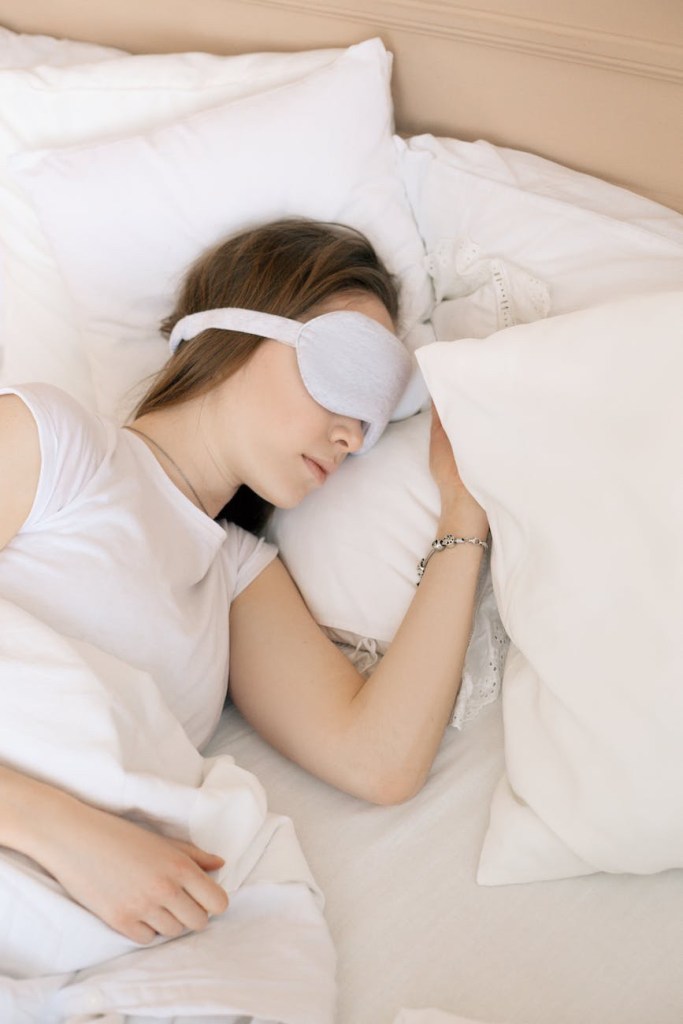
THINGS YOU SHOULD AND SHOULD NOT DO AFTER SEX

After sex, there are several things you should and shouldn’t do:

Things you should do:

  1. Communication: It’s important to talk to your partner about your feelings, desires, and any concerns you may have. Open and honest communication is key for a healthy sexual relationship.
  2. Hygiene: Practicing good hygiene is essential. You should both clean up after sex to reduce the risk of infections. Urinating after sex can help prevent urinary tract infections (UTIs) in individuals with vaginas.
  3. Use protection: If you’re not in a monogamous, mutually tested relationship and you’re not trying to conceive, using protection (condoms or other contraceptives) is crucial to prevent unwanted pregnancies and sexually transmitted infections (STIs).
  4. Relaxation: Spend some time cuddling and relaxing together. This can promote emotional intimacy and bonding.
  5. Stay hydrated: Sex can be physically demanding, so it’s a good idea to drink water to stay hydrated.

Things you shouldn’t do:

  1. Rush: Avoid rushing to get dressed or leave immediately after sex. Take some time to connect emotionally with your partner.
  2. Skip protection: If you’re not in a committed, monogamous relationship and are not ready for the potential consequences, do not skip using protection.
  3. Neglect hygiene: Failing to clean up properly after sex can increase the risk of infections.
  4. Pressure or judge: Do not pressure your partner into any sexual activity they are not comfortable with, and avoid judgment or criticism about their desires or performance.
  5. Assume consent: Consent is ongoing and can be withdrawn at any time. Don’t assume that just because someone consented to one activity, they are consenting to all activities. Always respect your partner’s boundaries.

Remember that these guidelines can vary depending on individual preferences and relationship dynamics, so open communication and mutual respect are essential in any sexual relationship.

THE AMAZING BENEFITS OF SLEEP

✅Sleep is often underestimated in our fast-paced, busy lives, but its significance for our overall health cannot be overstated. In fact, getting quality sleep is just as essential as maintaining a balanced diet and staying physically active. Let’s delve into some of the remarkable benefits of sleep for your health:

✅Enhanced Cognitive Function: Adequate sleep is crucial for optimal brain function. It helps with memory consolidation, problem-solving abilities, and creativity. When you wake up after a good night’s sleep, you’re more likely to be alert and mentally sharp.
Improved Mood and Emotional Well-Being: Lack of sleep is closely linked to mood disorders such as depression and anxiety. Getting enough rest allows your brain to regulate emotions effectively, leading to a more stable and positive outlook on life.

✅Physical Health: Sleep plays a pivotal role in maintaining physical health. It helps regulate hormones that control appetite, making it easier to manage weight. Moreover, it supports the immune system, reducing the risk of infections and chronic diseases.

✅Heart Health: Quality sleep is associated with a lower risk of heart disease. During sleep, your heart rate and blood pressure naturally decrease, reducing the strain on your cardiovascular system. Consistent sleep patterns also help maintain a healthy balance of blood sugar and cholesterol levels.

✅Enhanced Physical Performance: Athletes and fitness enthusiasts understand the importance of sleep for recovery and performance. During deep sleep, the body repairs muscles, tissues, and bone, contributing to improved physical performance and faster recovery from workouts.

✅Stress Reduction: A good night’s sleep helps your body and mind cope with stress more effectively. It regulates the stress hormone cortisol, making you more resilient to daily challenges.

✅Enhanced Immunity: Sleep is like a natural immune booster. While you sleep, your body produces cytokines, proteins crucial for immune health. These help fend off infections and keep your immune system robust.

✅Longevity: Research has shown that consistent, quality sleep is associated with a longer life expectancy. It reduces the risk of premature aging and age-related diseases.

✅Improved Skin Health: Beauty sleep is not a myth. During deep sleep, your body releases growth hormones, which aid in the repair and regeneration of skin cells. This can lead to a healthier complexion and a more youthful appearance.

✅Better Decision-Making: Sleep-deprived individuals often struggle with decision-making and impulse control. When you’re well-rested, you’re better equipped to make sound choices and resist temptations.

✅Incorporating good sleep hygiene practices into your daily routine, such as maintaining a consistent sleep schedule, creating a comfortable sleep environment, and limiting caffeine and screen time before bedtime, can significantly improve your sleep quality.

✅Prioritizing sleep as an essential component of your overall health can lead to a happier, healthier, and more productive life. So, tonight, give yourself the gift of a restful night’s sleep – your body and mind will thank you for it

Ways Your Vagina Changes as You Age

Your Vagina Is Going Through Some Things 

1/10 

Just like the rest of your body, your vagina ages. Once you get close to menopause, its parts don’t look or function the same they did when you were younger. Dryness, drooping, and a lack of lubrication are all issues at this stage of life. These changes are natural, though their effects on your bathroom habits and sex life may not be welcome.

It’s Pretty Dry 

2/10 

The hormone estrogen keeps the tissues of your vagina healthily plump and moist. When estrogen levels drop around the time of menopause, those sensitive tissues are left high and dry. Dryness is one of the more distressing symptoms of menopause. It can make sex uncomfortable or even painful. Use a water-based lubricant to reduce friction. And have sex regularly to keep up the moisture you still have.

There’s Less Hair Down There 

3/10 

Your hair goes through natural cycles where it grows for a period of time and then falls out. As your hair gets older, its growth cycle shortens. At the same time, a drop in estrogen makes testosterone your body’s dominant hormone. Testosterone fuels hair loss. When more hair falls out than your body can replace, you’ll start to see areas of thinning. It happens on your scalp, and it happens down there, too.

Your Labia Is Looser 

4/10 

Skin tone gets worse because of the age-related loss of elastin and collagen — proteins that once kept it taught. That’s true for the skin on your face as well as your labia — the folds on either side of your vagina. Sagging is less obvious when it’s inside your pants, but if it bothers you, there are surgical procedures to plump and firm up your labia.

There’s Drooping 

5/10 

The muscles of your pelvic floor act like a sling that supports your uterus, bladder, rectum, and the top of your vagina. Childbirth and menopause weaken these muscles, which can make the organs in your pelvis droop. This is called prolapse. Sometimes an organ falls all the way into the vagina and creates a bulge. Devices and medical procedures can give your pelvic organs a lift and treat prolapse.

You’re Going Gray 

6/10 

You might expect the hair on your head to go gray as the years pass, but finding your first gray hair down there can come as a big shock. Your pubic hair turns gray for the same reason that the hair on your head does. As you age, the pigment cells inside each hair follicle die and stop producing the chemical melanin that gives your hair (on top and down below) its color. As melanin production slows, your pubic hair turns gray or white.

You Have Shrinkage 

7/10 

The loss of estrogen around the time of menopause makes the once-stretchy tissues of your vagina thinner and less elastic. This is definitely a case of “use it or lose it.” If you don’t have sex often enough, your vagina can get shorter and narrower. So when you do have sex, it will hurt. Maintaining a healthy sex life (with a partner or a vibrator) will keep your vagina loose and limber.

Sex Makes You Sore 

8/10 

You’ll feel the loss of estrogen when you try to make love. Dryness plus thinning of tissues in the vagina add up to painful penetration. Over time, the delicate tissues can tear and bleed. Don’t let fear of pain keep you from a healthy sex life. When you avoid sex, it can make the problem worse. Use a water-based lubricant. If that doesn’t help, ask your doctor about estrogen therapy or other treatments.

Your Vulva Isn’t the Same 

9/10 

You may not be well-acquainted with your vulva — the opening and outer lips of your vagina. But if you’ve held a mirror down there recently, you may have noticed some changes. For one thing, it’s probably paler than it used to be. The lighter color is due to reduced blood flow from lower estrogen levels. The inner lips have shrunk for the same reason, and they may be drier than they were before.

You Get More UTIs 

10/10 

Sudden urges to use the bathroom or pain when you pee could be signs of a urinary tract infection (UTI). Your vagina is home to lots of bacteria — some good, some bad. The loss of estrogen around menopause changes the climate down there, leaving more bad bacteria than good. That’s why women have more UTIs as they age. Vaginal estrogen therapy can increase helpful bacteria and reduce the number of infections you get.

Source; Webmd

Ways Your Penis Changes as You Age

Your Penis Isn’t What It Used to Be

1/10 

Age leaves its mark on every part of your body, including your penis. Starting in your 40s, your testicles produce less testosterone, the hormone that helped your penis grow during puberty and fuels your sex drive. The decline in testosterone, along with other things related to aging, can change the size, shape, and function of this all-important organ.

It Turns Gray 

2/10 

Well your pubic hair does, anyway. Just like the hair on your head, pigment cells inside each pubic hair follicle produce a chemical called melanin that gives your hair its color — blond, brown, or black. As you age, pigment cells die, melanin production slows, and your pubic hair turns gray or white. Whether the hair down there goes gray at age 35 or 65 depends a lot on the genes you inherited from your parents.

It Shrinks 

3/10 

The dreaded shrinkage! A downsized penis may be due to age-related conditions, like high blood pressure or clogged blood vessels (arteriosclerosis), that reduce blood flow to it. The drop in blood flow, along with lower testosterone levels, can make this organ smaller. Putting on some pounds creates the illusion of lost length. Folds of belly fat partially hide the penis, making it look smaller than it really is.

It Curves 

4/10 

Whenever you injure your penis — whether from rough sex, sports, or an accident — scar tissue forms. By your 50s or 60s, you can have enough scar tissue buildup to make your penis bend or curve during an erection. The condition is called Peyronie’s disease. It’s often painful, and it can make sex uncomfortable. Treatments ranging from shots to surgery can lessen the curve and make sex more comfortable again.

The Testicles Shrink 

5/10 

For the same reason your penis shrinks with age — reduced testosterone — your testicles also get smaller. Injury, less blood flow, and anabolic steroid (synthetic testosterone) use can also be responsible for the size reduction. A smaller testicle can sometimes be a symptom of testicular cancer, too. If you have other symptoms, such as swelling, a lump, or a feeling of heaviness in a testicle, check in with your doctor.

The Scrotum Sags 

6/10 

Your skin naturally becomes less elastic as you get older. Just as the skin of your face and neck wrinkles and sags, so can the skin that covers your testicles. If the sight of a low-hanging scrotum bothers you too much to wear a bathing suit or causes pain when it rubs against your thigh, you can have scrotal rejuvenation surgery to give your sac a lift.

It’s Less Sensitive 

7/10 

Your penis naturally loses sensation as you age. So it may take more time, and more stimulation, for you to get aroused and reach orgasm. If the problem interferes with your sex life, don’t rub harder — you could irritate the sensitive skin covering this organ. Instead, talk to your doctor about possible treatments.

It Loses Its Spring 

8/10 

The slightest breeze might have produced an erection when you were young. Now that you’re older, low hormone levels, less blood circulation, and nerve damage can make getting it up harder to accomplish. Erectile dysfunction becomes more of a problem the older you get. By age 70, about 70% of men will have trouble getting an erection. Fortunately, doctors have a number of drugs, devices, and surgical solutions to this problem.

It Changes Color 

9/10 

Fatty deposits can build up inside the walls of your blood vessels as you get older and limit the amount of blood that flows through them. Blood is what can give the tip of a penis a pink color. As blood flow slows, the penis head turns a lighter shade. Rarely, a change in penis color is a sign of cancer. If you also have other symptoms, like a bump or sore on your penis, see a doctor.

It Goes Bald 

10/10 

Pubic hair thickness varies from person to person and based on how much grooming you do. The hair around your penis, like the hair on your head, thins with age. Because it’s less visible than the hair on your scalp, you may not feel the need to do anything about it. But a hair transplant is always an option if you are sensitive about baldness down there.

Source; Webmd

13 Things Fast Food Does To Your Body

1/13 

Fast food is convenient and cheap, but you pay a bigger price in the long run. Those burgers, fries, and shakes usually have more fat, calories, and highly processed carbs than your body needs in one meal. This can quickly lead to weight gain and obesity if you eat it often.

2/13 

Sodium makes fast food taste better and keeps it from spoiling. But just one bacon cheeseburger can contain your recommended daily value for sodium. That’s the amount of a nutrient experts suggest getting every day. Too much sodium raises your blood pressure and damages your blood vessels. It also raises your risk for heart failure, heart attack, and stroke.

3/13 

Bagels, buns, and breaded foods are high in processed carbs your body breaks down into sugar. As blood sugar levels rise, your body pumps out insulin to level things out. Over time, these constant sugar spikes can wear out your pancreas (the organ that makes insulin). This keeps blood sugar levels high, triggering type 2 diabetes.

4/13 

Fast food may taste good, but you may not feel well once it hits your system. High-sodium foods (fries, anyone?) can temporarily trigger bloat. Couple that with low amounts of dietary fiber, and your digestive tract gets backed up. This can lead to constipation that puts you at risk for hemorrhoids, hernias, and diverticulitis.

5/13 

What you eat and drink can impact how you feel mentally and physically. Fast food lacks the vitamins, minerals, and other nutrients your body needs to boost your mood. Research suggests fast and processed foods you buy at the store may be linked to a higher risk of depression.

6/13 

When a bunch of processed carbs hit your system, your blood sugar rises quickly, then drops just as fast. This can make you feel tired. If you grab a sugary coffee drink to wake up, the cycle starts all over again.

7/13 

Phthalates, synthetic chemicals that dissolve materials and make plastics durable, are in everything from toys to fast food. Recent studies have linked phthalates with fertility issues and higher risks of learning and behavioral disorders in children.

8/13 

Because it’s highly processed, fast food — especially the kind that’s fried or creamy — can be hard to digest. If your body can’t break it down, it lands in your colon and turns into fatty acids that spark diarrhea.

9/13 

The high levels of carbs and sugar in fast food, including sodas, raises the amount of acids in your mouth. These wear down the enamel on your teeth and boosts your risk of cavities, tooth decay, and gum disease.

10/13 

Excess weight and obesity caused by fast food puts extra pressure on your joints, especially your hips and knees. This makes you more likely to get fractures in the bones around your joints.

11/13 

One fried chicken dinner won’t affect the way you breathe. But too much fast food can lead to extra weight that increases your risk of asthma, especially in women. More research is needed to know exactly why, but early studies show that fat tissue leads to inflammation that may affect your lungs.

12/13 

Fast food is full of ingredients that don’t play well with your skin. Sugar can lower collagen levels and lead to signs of early aging, like wrinkles. Salt drains moisture from your skin, but it helps your body keep the water that causes bags under your eyes. High amounts of saturated fats trigger hormones that play a role in acne.

13/13 

Experts think saturated and trans fats tell your body to make plaques in the brain. These cause dementia and raise your risk of Alzheimer’s disease three times more than those who don’t eat fast food.

Source; Webmd

Symptoms of Endometriosis

The cramps you get during your period can be tough. But if you have endometriosis, the pain may be so intense that it affects your daily routine. It might even stop you from doing some of the things you love.

Endometriosis is when the same type of cells that make up the lining of your uterus, the endometrium, grow outside it and attach to other parts of your body. Knowing what it feels like is the first step in getting help.

Common Endometriosis Symptoms

Some women call the pain from endometriosis “killer cramps” because it can be severe enough to stop you in your tracks. For many, it gets worse as they get older.

Other endometriosis symptoms include:

Pain From Endometriosis

Endometriosis can cause pain in more than one area of your body, including:

Pelvic or belly pain. It might start before your period and last several days. It can feel sharp and stabbing, and medication usually won’t help.

Some women say it feels like their insides are being pulled down. They have a gnawing or throbbing feeling that can be severe.

Backache. Your uterus and ovaries are near your back. Belly pain that makes you hunch over can hurt your back, too.

Leg painEndometriosis can affect nerves that connect to your groin, hips, and legs. This can make it hard to walk. You may limp or have to rest often.

Painful sexMany women with endometriosis feel pain while having sex or up to 2 days later. For some, it feels stabbing or sharp. Others describe it as an ache in their pelvic area.

Painful bowel movements. Depending on the affected areas, it might hurt to poop.

Endometriosis and Infertility

Endometriosis can make it hard to get pregnant. This may happen if the tissue growing outside your uterus causes scarring, which can affect your fallopian tubes and keep an egg and sperm from meeting. It can also stop a fertilized egg from implanting in the lining of your uterus.

Surgery can remove the extra tissue, which may make it easier to get pregnant. Or you might try assisted reproductive technology (such as in vitro fertilization) to help you conceive.

Foods That Help or Harm Your Sleep Slideshow

What You Eat Affects How You Sleep 

1/10 

If you could choose foods that may help you get the best sleep possible, would you? And if you knew which foods may affect your restful slumber, would you avoid them? Now’s your chance to learn just that for a good night’s sleep. Though the science is not solid, being mindful of what you eat and drink before bed may help.

Indulge Your Carb Craving (a Little Bit) 

2/10 

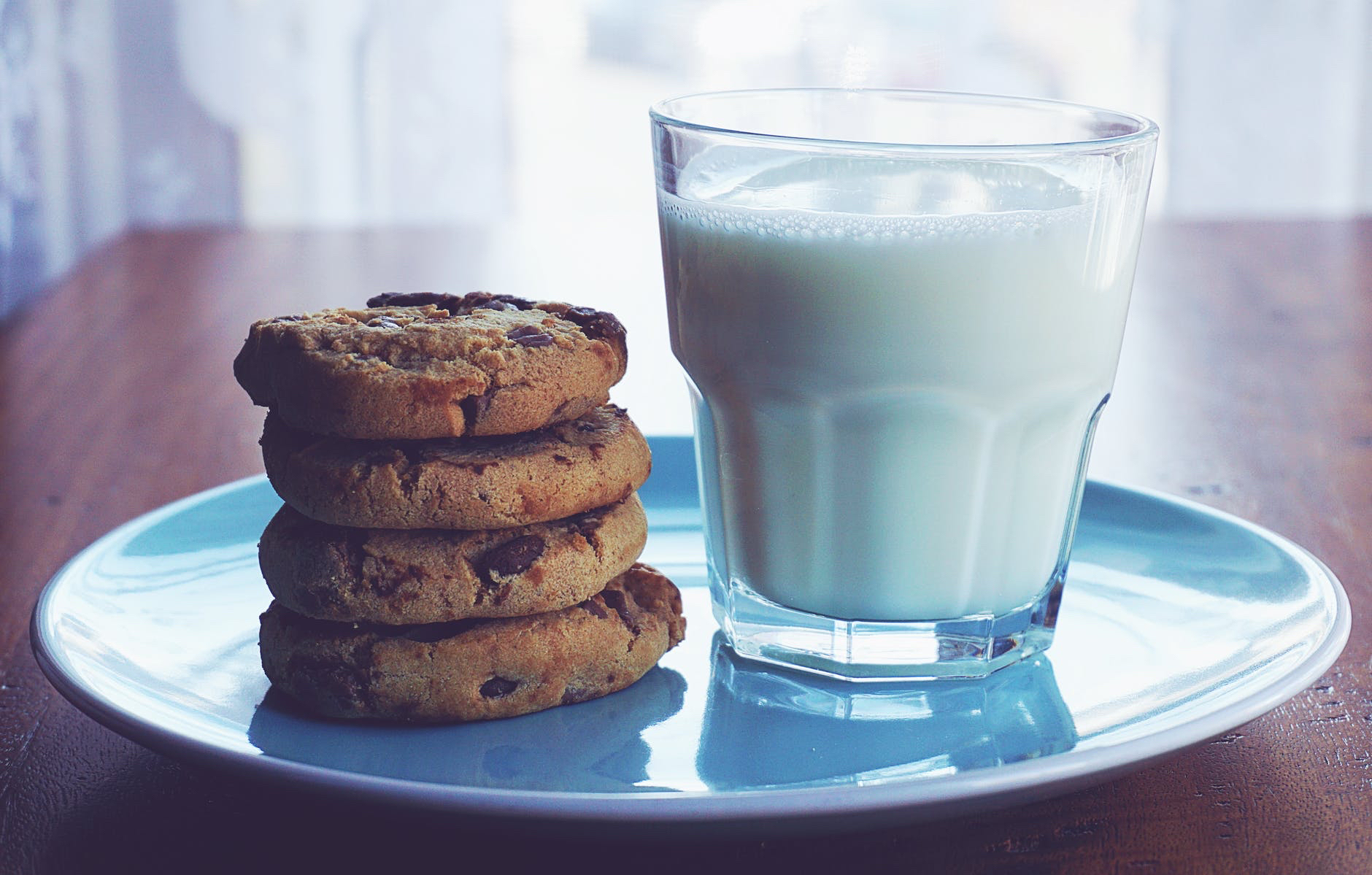
Carbohydrate-rich foods may help. So a few good late-night snacks might include a bowl of cereal and milk, nuts and crackers, or bread and cheese.

Have a Snack Before Bedtime 

3/10 

If you have insomnia, a little food in your stomach may help you sleep. Drinking some milk may help, too. But keep the snack little. A heavy meal will tax your digestive system, making you uncomfortable and unable to get your ZZZs.

Limit High-Fat Foods 

4/10 

Research shows that people who often eat these foods gain weight and their sleep cycles tend to get disrupted. Why? A heavy meal activates digestion, which can lead to nighttime trips to the bathroom.

5/10 

Beware of Hidden Caffeine 

5/10 

It’s no surprise that an evening cup of coffee might disrupt your sleep. But don’t forget about less obvious caffeine sources, like chocolate, cola, and tea. Even decaf coffee has a trace of it — but not enough to be a problem. For better sleep, cut all caffeine from your diet 4 to 6 hours before bedtime.

Medications May Contain Caffeine 

6/10 

Over-the-counter and prescription drugs that may have caffeine in them include pain relievers, weight loss pills, diuretics, and cold medicines. These and other medications may have as much or even more caffeine than a cup of coffee. Check the label of nonprescription drugs or the prescription drug information sheet to see if your medicine interferes with sleep or can cause insomnia.

Skip the Nightcap 

7/10 

Alcohol may help you fall asleep faster, but you might not sleep well, waking up often, tossing and turning, and even having headaches, night sweats and nightmares. It can help to down a glass of water for each alcoholic drink, to dilute the alcohol’s effects. But for a good night’s sleep, it’s better to avoid alcohol 4 to 6 hours before bedtime.

Beware of Heavy, Spicy Foods 

8/10 

Lying down with a full belly can make you uncomfortable, since the digestive system slows down when you sleep. It can also lead to heartburn, as can spicy cuisine. If you indulge in a heavy meal, finish it at least 4 hours before bedtime.

Cut the Fluids by 8 P.M. 

9/10 

Staying hydrated throughout the day is great for your body, but cut it off before bed. You don’t want to have to keep getting up to go to the bathroom after you turn in.

Don’t Smoke to Relax 

10/10 

Even if it’s one of your favorite ways to unwind, smoking isn’t a good idea — night or day. Nicotine is a stimulant, with effects similar to caffeine. Avoid smoking before bedtime or if you wake up in the middle of the night. Keep trying to quit — it’s hard, but it’s worth it.

Source: Webmd

How Many Nutrients Are in Semen?

Semen is a complex substance created by the male reproductive organs. The fluid is made mostly of water, plasma, and mucus (a lubricating substance). It also contains 5 to 25 calories, and is made up of small amounts of essential nutrients including:

If you perform oral sex on a male, you’ll likely take in some semen, even if you spit most of it out. Even though it’s made of many essential nutrients that you need in your daily diet, it isn’t a good nutritional source due to the small amount of semen produced in one ejaculation. Taking it in also puts you at a greater risk of getting a sexually transmitted infection.

Why Semen Contains Nutrients

In addition to nutrients, semen also contains sperm. Sperm are the cells that can fertilize a female’s eggs to create offspring. One ejaculation can contain 200,000,000 to 300,000,000 sperm. They need nutrients because they must travel a great distance and withstand the harsh environment of the vagina. The nutrients found in semen will keep the sperm alive and provide energy while they race to the egg. Their main energy source is fructose, a type of sugar.

Is it Safe to Swallow Semen?

‌The ingredients that make up semen are safe. Some people have had severe allergic reactions to it, but this is very rare. The biggest risk when swallowing semen is getting a sexually transmitted infection. You can easily contract herpessyphilis, and gonorrhea from performing oral sex.

Studies have shown it’s more difficult to get the human immunodeficiency virus (HIV) from oral sex but not impossible. Semen is also known to carry the human papillomavirus (HPV). But HPV is undetectable in semen when tested. Some strains of this virus can cause throat cancer.

Preventing Problems From Swallowing Semen

‌Pay attention to the look and smell of your partner’s semen. The color and smell of it will help you know if there is a problem. It should have a whitish to grayish color and faint to no smell. If the semen has a foul smell, there could be an infection or health problem.

Red-colored semen can indicate inflammation of the glands that produce it. Yellow or green semen can be caused by an infection, medication, or vitamins. Talk to your partner about any concerns you may have.

How semen tastes can also indicate if there’s a problem. What’s considered “healthy” tasting semen can be different from person to person. It has been described as tasting:

  • Bitter or salty because of its higher ph level
  • Sweet because it has fructose
  • Metallic because it contains many vitamins and minerals

‌The easiest way to prevent any health complications caused by swallowing semen is to not have oral sex. You can also put a condom over the penis to prevent the semen from being ejaculated into your mouth. Another method is to stop giving oral sex before ejaculation occurs and finish stimulating your partner with your hand. This method requires you to trust your partner to warn you before they ejaculate.


If you or your partner want you to swallow their semen, you can ask for proof of a recent STI screening. But keep in mind that HPV is undetectable in men. If you’re worried about a possible semen allergy, you can put a sample of your partner’s semen on your arm and watch for a reaction.

If you’ve been in contact with semen and have any concerns, you should talk to a healthcare professional right away.

Source ; WebMD

Normal Menstrual Period

What Is a Normal Period?

A normal period (or normal menstruation) is different for every woman. Each month, one of your ovaries releases an egg. Meanwhile, your uterus gets ready to help your baby grow if that egg gets fertilized. If it does, you’re pregnant. If it doesn’t, your body sheds the lining of your uterus through your vagina. That’s your period. It happens, on average, every 28 days.

Think about how old you were when you got your first period. Now think about how old you may be when you enter menopause. Your body and life will change a lot from one to the other, right? So does your menstrual cycle. When it comes to periods, “normal” covers a lot of ground. Use the broad range of factors below as a guide. And remember: The only true normal is what’s normal for you.

Normal Period Timing

Every month, your entire body prepares to get pregnant. Your ovaries release an egg. Hormones surges and drops.

This is your menstrual cycle. It starts on the first day of your last period and ends on the first day of your next period. Though the average cycle is 28 days long, anything between 21 and 45 days is considered normal. That’s a 24-day difference.

For the first year or two after menstruation begins, women tend to have longer cycles that don’t start at the same time every month. Older women often have shorter, more consistent cycles.

If you’re on birth control pills or have an IUD, it can change the timing of your period. Ask your doctor what’s normal for your form of contraception.

How long your period lasts also varies. The time from the first sign of blood to the last is usually in the 3-to-5-day range. Any length from 2 days to a week is normal for a period.

Normal Period Flow

If the egg your ovary releases every month isn’t fertilized, the lining of your uterus sheds through your vagina. This is your period. The amount of blood that comes out of your body is called your menstrual flow.

Whether your flow is light, moderate, or heavy, it’s all considered normal.

Normal Period Symptoms

Some months, your breasts may feel tender when you have your period. Other months, you may notice bloating around your abdomen or mood swings. Other normal menstruation symptoms include:

  • Acne
  • Cramping in the lower abdomen and back
  • More hunger
  • Sleep issues
  • Mood swings
  • Breast tenderness
  • Bloating

Not every period is the same, though. Most of the time, an irregular or abnormal period isn’t serious. But you should call the doctor if:

  • You have a heavier than usual flow
  • You need to change your pad or tampon hourly
  • Your period lasts more than 7 days
  • Your period suddenly stops for more than 90 days
  • You have severe pain
  • You think you might be pregnant

How to Track Your Period

In just 3 months, you can get a picture of what’s normal for you by tracking your periods. Keep a record of:

  • When your period starts and when it stops
  • How light or heavy your flow is 
  • Whether or not you passed any blood clots
  • How frequently you change pads or tampons
  • How severe your cramps are
  • Changes in mood
  • Spotting between periods 
Design a site like this with WordPress.com
Get started