Eat Well
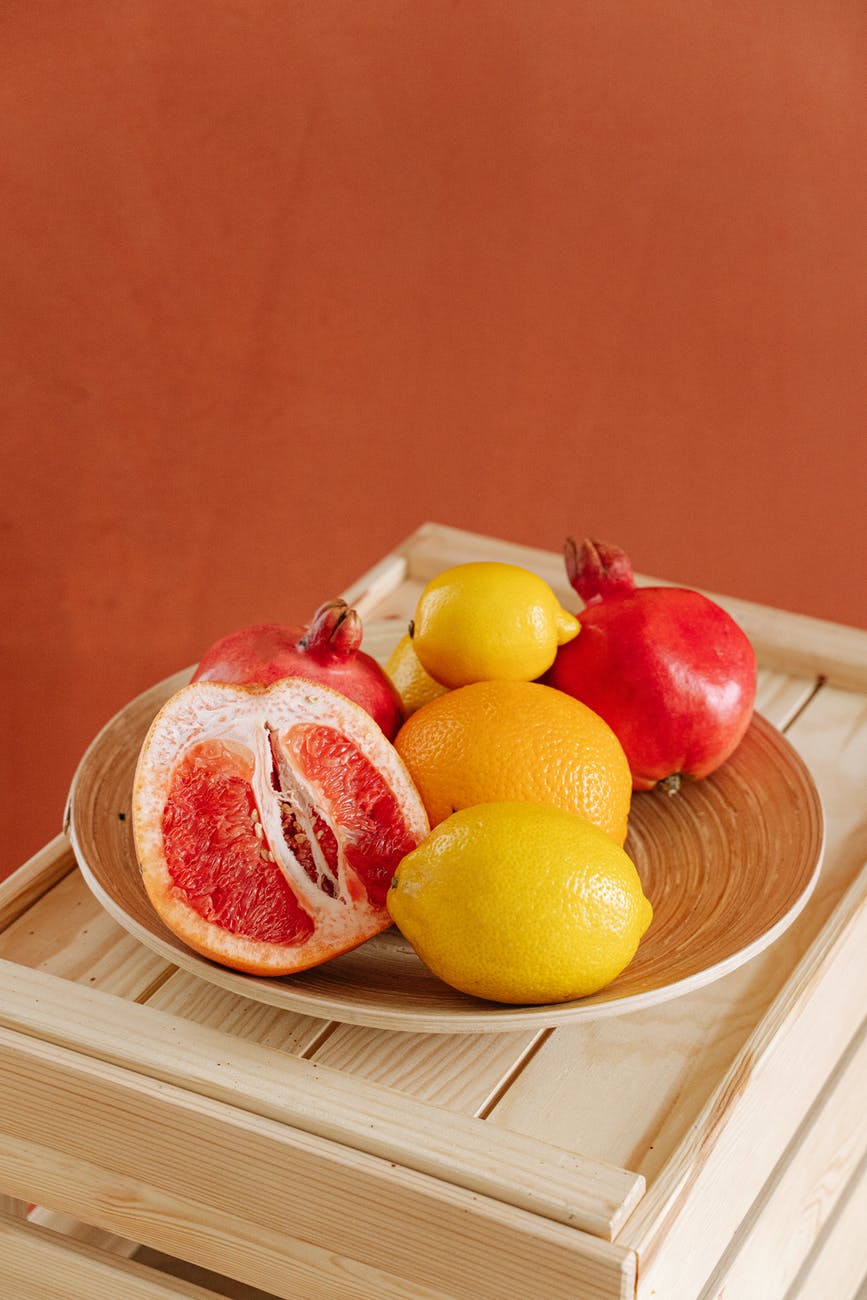
You need a strong immune system to fight off infectious diseases. A balanced diet that’s high in nutrients and low in processed foods and red meat can keep your immune system at its best. Good eating habits can help you stay a healthy weight. That helps your immune system, too.
Get Good sleep 💤
This can help keep your immune system strong. While you sleep, your body makes proteins called cytokines, which help you fight inflammation and illness. Create a nighttime routine that helps you get some ZZZs. A good night’s sleep after getting a vaccine helps it work better for you.

Get Vaccinated
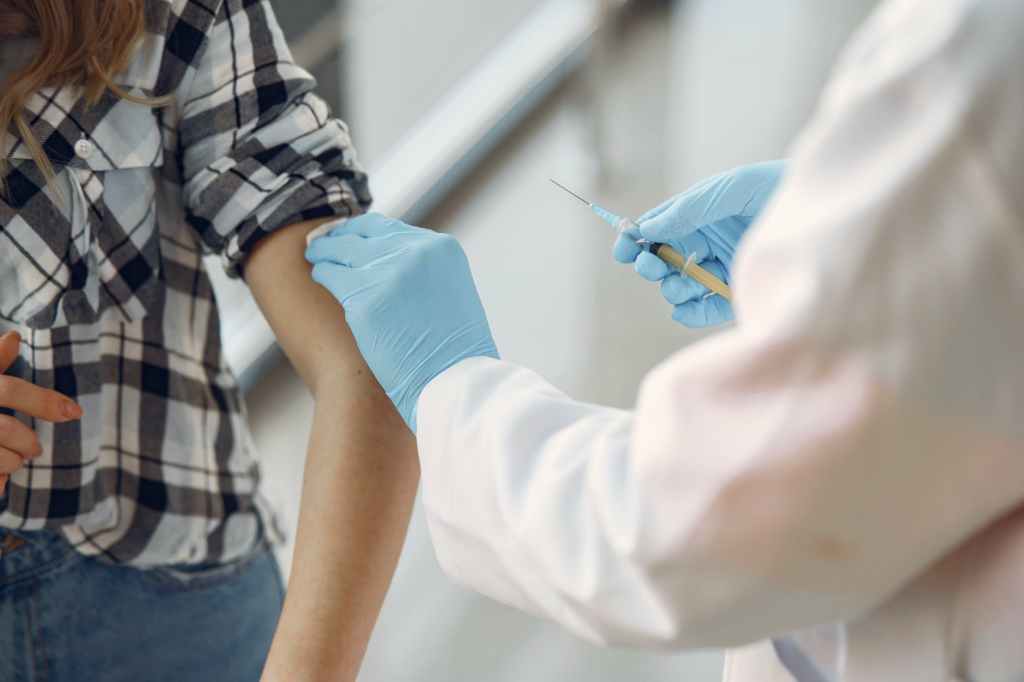
Vaccines play an important role in keeping infectious diseases like hepatitis A and B, polio, mumps, measles, whooping cough, and the flu under control. Check with your doctor to make sure you and your family members are up to date on all your shots.
CLEAN AND DISINFECT
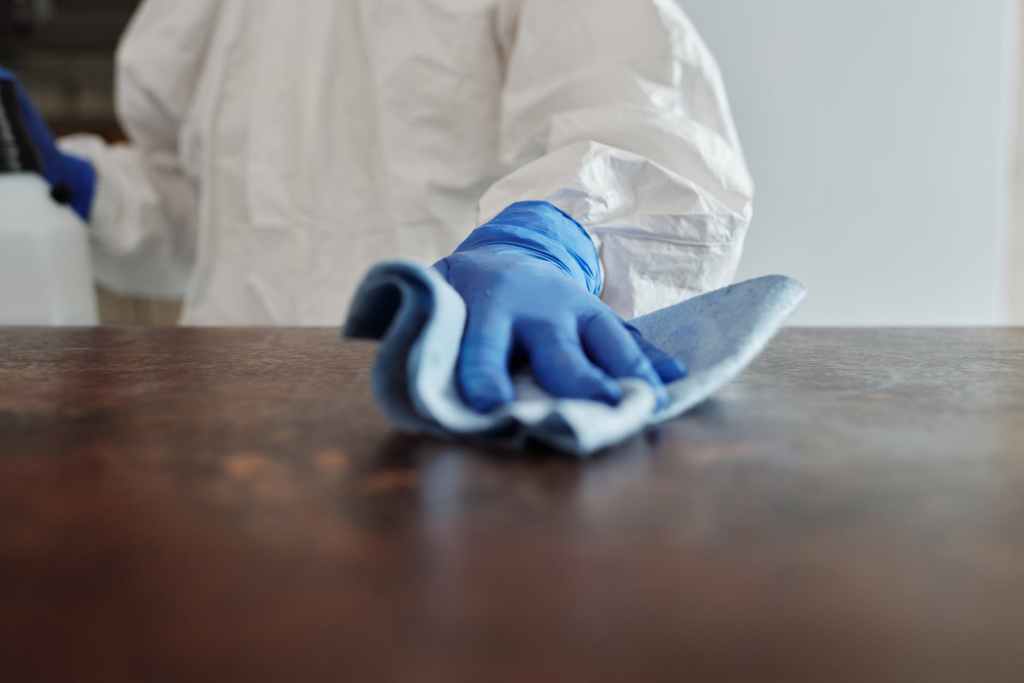
Keep busy areas and rooms like kitchens and bathrooms clean. They’re more likely to have germs or bacteria. Wash counters first with soap and water, then clean with disinfecting wipes, not antibacterial wipes. These products are good for your hands, but they don’t kill viruses. Always wear gloves when you use a disinfectant, and wash your hands afterward.
WASH YOUR HANDS 👏
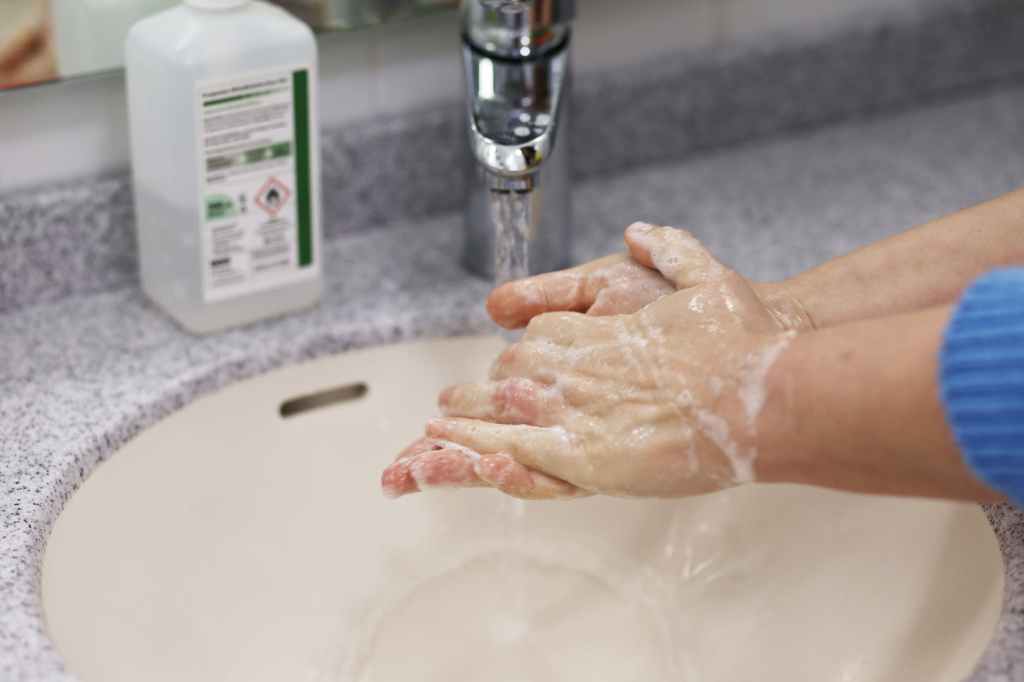
You can pick up germs just by touching unclean surfaces or things commonly touched by other people, like doorknobs, gas pumps, counters, and touch screens. You get the germs on your hands and then touch your face. You can avoid this by washing your hands with soap and water often. Just soap up your hands and rub them together under warm water for about 20 seconds — long enough to sing “Happy Birthday” two times — then dry them with a clean towel or let them air dry.
PRACTICE SAFE SEX

Not having sex is the only sure way to prevent the spread of sexually transmitted diseases. But you can do a few things to keep yourself safe if you’re sexually active. You and your partner should both get tested to make sure you don’t have HIV or other sexually transmitted diseases or infections. Only have sex with that partner. If you have sex with someone else, make sure to use a condom.
USE A HAND SANITIZER
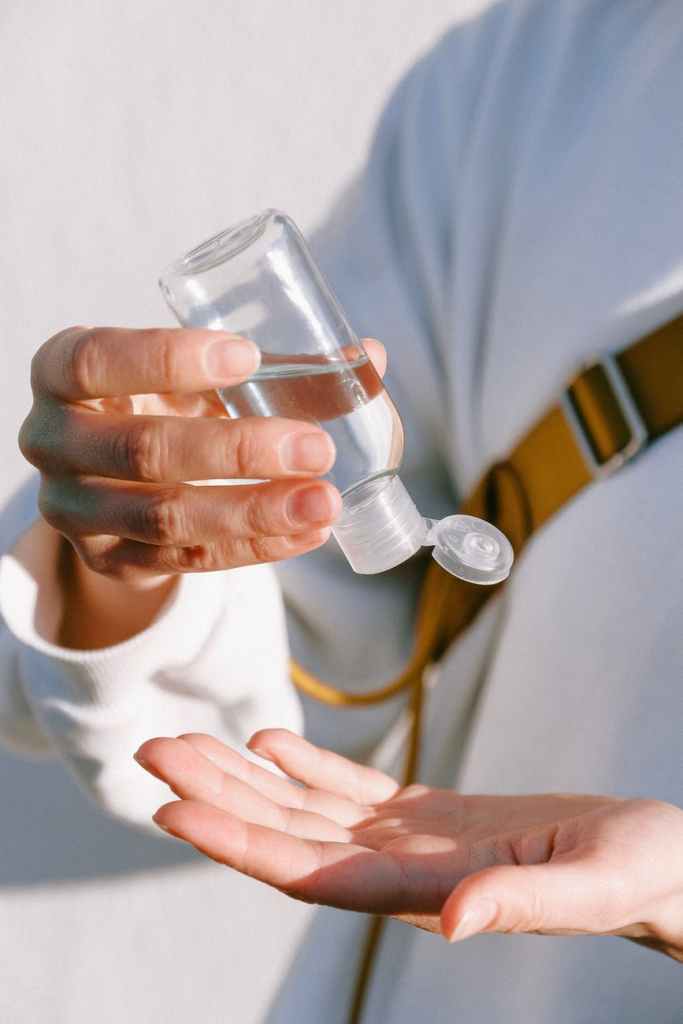
This is a good way to fight germs when soap and water isn’t available, as long as it’s at least 60% alcohol and doesn’t contain methanol, which can be harmful. But don’t think of hand sanitizer as a substitute for washing your hands. It doesn’t get rid of all types of germs and doesn’t work as well if your hands are greasy. Be careful not to use too much sanitizer. That can create a layer of film on your hands that will actually trap germs, this may also dry up your hands and cause some form of allergic rashes.
DON’T TOUCH YOUR FACE

You probably touch your face a lot more often than you think. One study found that people touched their faces an average of 23 times per hour. That can lead to germs getting into your system via your eyes, nose, or mouth. It’s also one more good reason to keep your hands clean.
KEEP PERSONAL ITEMS PERSONAL
Sharing things can also share germs and illnesses. The biggest problems come from sharing items that involve saliva (like a toothbrush, lip gloss) or blood (like shaving razors, nail clippers). If you’re going to share food, take a bite from a clean portion and use your own utensils. Don’t share drinks. Give everyone their own. And make sure to keep track of whose glass is whose. This will help prevent you from contracting infections
HANDLE FOOD CAREFULLY

The kitchen is home to a lot of germs. Always wash your hands before and after preparing food, and rinse off fruits and vegetables. Keep raw food away from cooked food, change out utensils and cutting boards that touch raw food, and wipe down counters where you’ve put raw food.
When cooking, make sure all food is cooked to the proper temperature:
❗180 degrees for chicken
❗145 degrees for most meats like roast or steak
❗Fish should be cooked until you can’t see through it
❗After meals, get leftovers into the refrigerator as soon as you can.
 Health,beauty and fitness Web
Very educative
LikeLike
Very educative
LikeLike
Thanks for letting me know
LikeLike
Great information for Healthy living
LikeLiked by 1 person
Thank you
LikeLike
Thank you Nurse… Very educating
LikeLiked by 1 person
Uwc dear
LikeLike