What is your heart Rate
Your heart rate, or pulse, is refered to the number of times your heart beats in a minute. Everyone’s value is different, and it changes as you get older. Understanding your heart rate and what’s a healthy and normal one for you is an important part of taking care of yourself.
Your Resting Heart Rate

This is the number of times your heart beats in a minute when you’re not physically active and your heart doesn’t have to work hard to pump blood through your body. Some medications like beta-blockers can affect your heart rate by slowing your heartbeat and lower your resting heart rate.
A Healthy Resting Heart
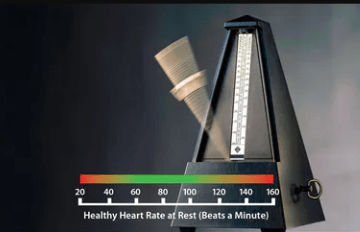
A good number of healthy adults should have a resting heart rate between 60 and 100 beats a minute. In general, the more physically fit you are, the lower your heart rate will be. Athletes can have a normal resting heart rate in the 40s. A healthy heart rate is an indicator that your heart isn’t having to work too hard to circulate blood.
How to check Pulse
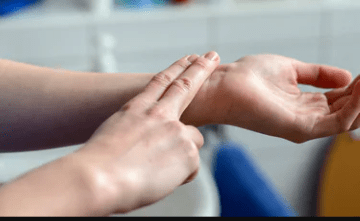
You can feel your heart rate by placing your index and middle fingers on the inside of your wrist, the inside of your elbow, the side of your neck, or on the top of your foot. Once you find it, count how many beats you feel in 15 seconds, and multiply that number by 4 or count how many times it beats in 60 seconds.
How to Lower It

This can be as easy as simply relaxing — sit down, have a glass of water, or just take a few deep breaths. A healthier lifestyle, which is not limited to getting at least 30 minutes of exercise a day, eating healthier, watching your weight, and cutting down alcohol, caffeine, and smoking can help, too. If that’s not enough, you might try to find ways to better handle stress, like tai chi, yoga, meditation, or mindfulness. You can equally seek for medical attention if your heart keeps racing.
Arrhythmia; A problem with your heart Rate
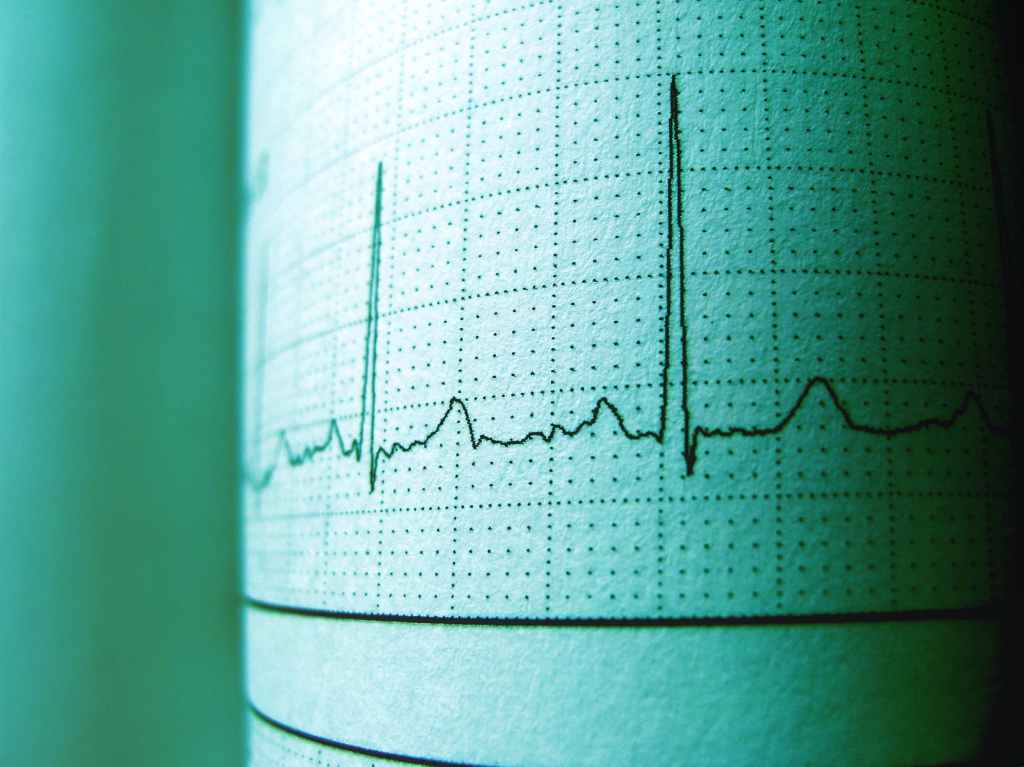
When your heart’s beating rhythm is off, that’s called an arrhythmia. There are four major types:
• Tachycardia: When your heart beats too fast, usually more than 100 beats a minute
• Bradycardia: When your heart beats too slowly, below 60 beats a minute (unless you’re an athlete)
• Supraventricular arrhythmia: An arrhythmia that starts in your heart’s upper chambers
• Ventricular arrhythmia: An arrhythmia that originates in your heart’s lower chambers.
Causes of Arrythmia
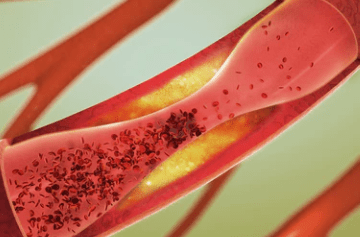
There are Several factors that can lead to arrythmia. These include clogged or hardened arteries, high blood pressure, or issues with your heart’s valves. It also can be the result of trauma from a heart attack. It can happen as a prognosis of a heart surgery, and if your electrolytes are out of balance. For example, if your body has too much or too little pottasium.
Elevated Heart Rate; Tachycardia

A resting heart rate higher than 100 beats per minute happens most often in kids. It’s also more common in women. The basic causes of a rapid heart rate include stress, smoking, or drinking too much alcohol, coffee, or other caffeinated drinks.
Low Heart Rate; Bradycardia
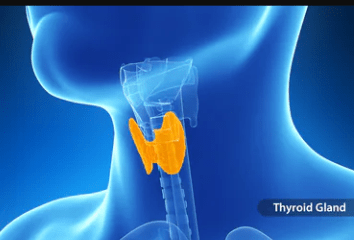
A heart rate lower than 60 beats per minute can be triggered by an infection, a problem with your thyroid gland (hypothyroidism), a chemical imbalance in your blood, breathing problems while you sleep (obstructive sleep apnea), or inflammatory diseases like lupus. It also can be caused by a problem with how your heart developed before you were born.
Heart Rate and Exercise

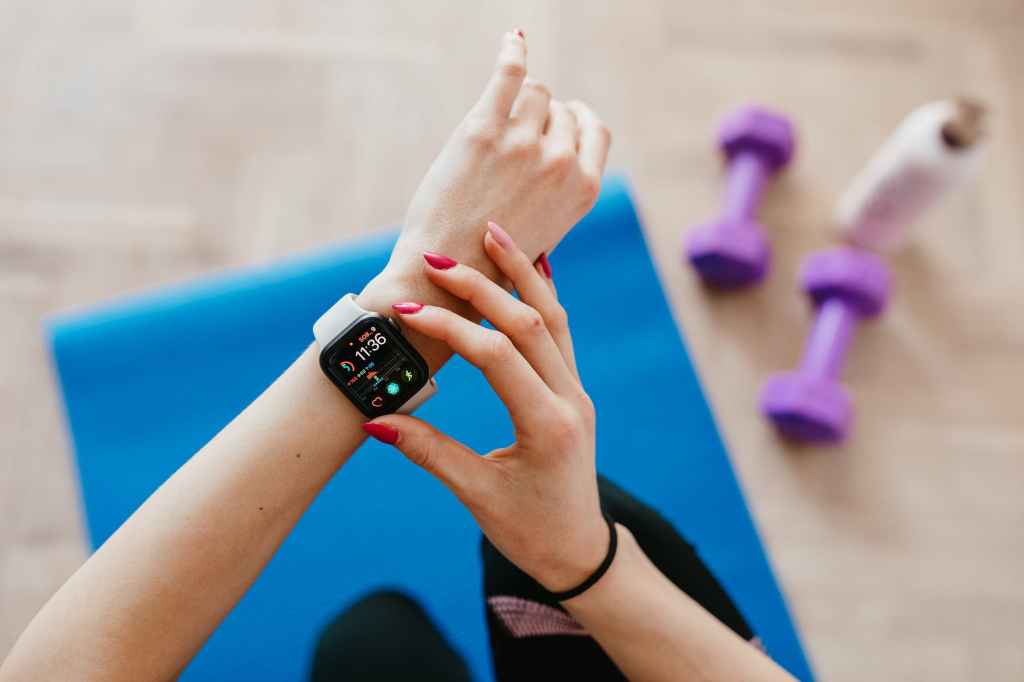
When you work out, your heart rate will go up, but not too much. To find the right number, start by figuring out your maximum rate: Subtract your age from 220. If you’re just starting a fitness regimen, your target should be about 50% of your maximum heart rate. If you already exercise regularly, it might be closer to 85%. Some devices and machines, like a treadmill, keep track of your heart rate. You can equally track and record your readings by using a smart watch linked to your mobile device during exercise.
Other Factors
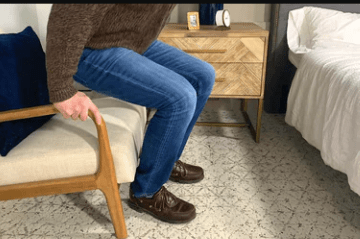
External factors, like warm weather or humidity, can make your heart pump a little more blood. Extreme emotional highs and lows or feeling anxious can spike your heart rate, too. Standing up from a sitting position can also cause an increase for a few seconds.
When you should See a Professional

Report to your health Care provider if you’re taking a medication that causes you to have fainting spells or dizziness. Also reach out if you notice that you often have a racing heartbeat or a low pulse. Depending on what’s going on with you, your consultant might change your medications, recommend a pacemaker to get your heart beating in the right rhythm, or suggest other things to prevent or manage your condition.
- SIGNS YOU ARE IN PERIMENOPAUSEPerimenopause is the transitional phase leading up to menopause when a person’s body undergoes hormonal changes. Here are some signs that you may be in perimenopause: It’s important to note that perimenopause can begin in the late 30s or early 40s and last for several years before menopause, which is when menstruation ceases for atContinue reading “SIGNS YOU ARE IN PERIMENOPAUSE”
- THINGS YOU SHOULD AND SHOULD NOT DO AFTER SEXAfter sex, there are several things you should and shouldn’t do: Things you should do: Things you shouldn’t do: Remember that these guidelines can vary depending on individual preferences and relationship dynamics, so open communication and mutual respect are essential in any sexual relationship.
- THE AMAZING BENEFITS OF SLEEP✅Sleep is often underestimated in our fast-paced, busy lives, but its significance for our overall health cannot be overstated. In fact, getting quality sleep is just as essential as maintaining a balanced diet and staying physically active. Let’s delve into some of the remarkable benefits of sleep for your health: ✅Enhanced Cognitive Function: Adequate sleepContinue reading “THE AMAZING BENEFITS OF SLEEP”
- Ways Your Vagina Changes as You AgeYour Vagina Is Going Through Some Things 1/10 Just like the rest of your body, your vagina ages. Once you get close to menopause, its parts don’t look or function the same they did when you were younger. Dryness, drooping, and a lack of lubrication are all issues at this stage of life. These changesContinue reading “Ways Your Vagina Changes as You Age”
- Ways Your Penis Changes as You AgeYour Penis Isn’t What It Used to Be 1/10 Age leaves its mark on every part of your body, including your penis. Starting in your 40s, your testicles produce less testosterone, the hormone that helped your penis grow during puberty and fuels your sex drive. The decline in testosterone, along with other things related toContinue reading “Ways Your Penis Changes as You Age”
You owe yourself a debt of being Healthy 💪
Nurse Cynosure 💊
 Health,beauty and fitness Web
this is really good informative
LikeLiked by 1 person
Thank you 😊
LikeLike
Ok, lemme check mine now 😁😁
Thanks dear
LikeLiked by 1 person
Don’t panic if it’s fast
LikeLike
Great job, I will appreciate if you can glossary of some of your medical term used in your write up at the end of it, it will help us understand you better, thank you
LikeLiked by 1 person
Well noted, thanks so much
LikeLike
You do so well to keep us medically and healthily abreast everytime ☺️☺️☺️
LikeLiked by 1 person
It’s one of my priorities dear, we all need to be in good health
LikeLike