A lot could go wrong! Blemishes or pimples often show up on your face, neck, chest, back, and shoulders, where skin has the greatest amount of oil glands. It happens to almost every person, but treatments can help keep acne under control.
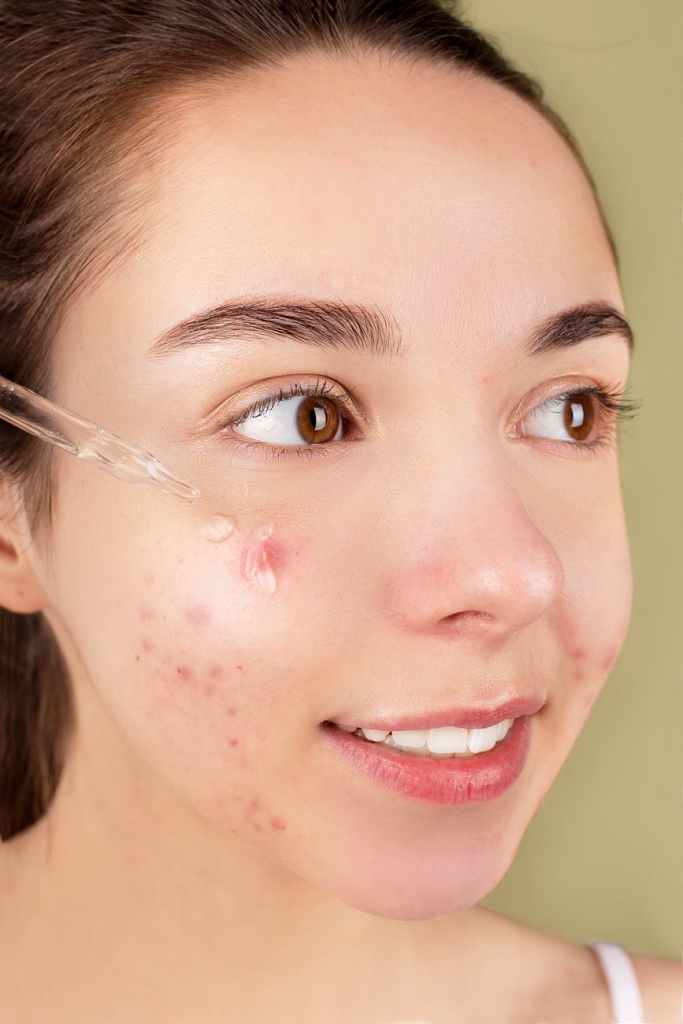
Take it Easy
Overdoing it can irritate your skin and make acne worse. So can rough scrubs or soaps with harsh chemicals. Instead, wash acne-prone areas twice daily with a mild cleanser and warm water to minimize irritation.
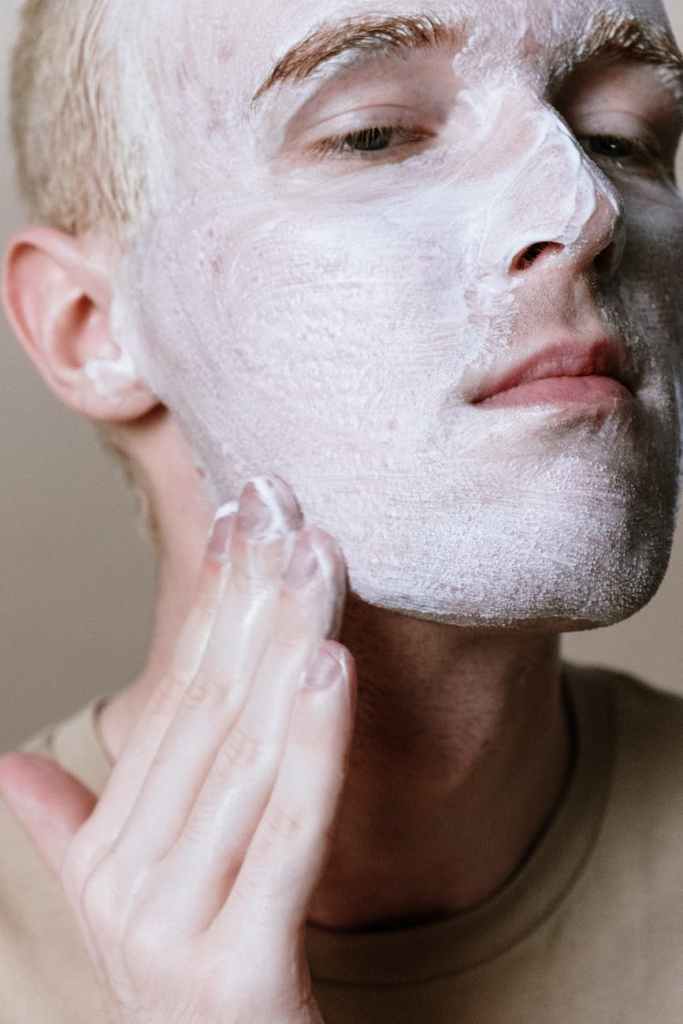
Go Oil-Free When You Wash
Oil-free soaps or washes won’t clog your pores or cause blackheads, acne, and whiteheads. Choose products that are labeled “oil free,” “nonacnegenic” (which means it won’t cause acne) or “noncomedogenic” (which means it won’t clog your pores). Some also have ingredients recommended by dermatologists, such as benzoyl peroxide and salicylic acid. Make sure your washcloths are tender– you can use one made for babies — and use a clean one every time, too. Or better, massage in circular motion with your fingertips
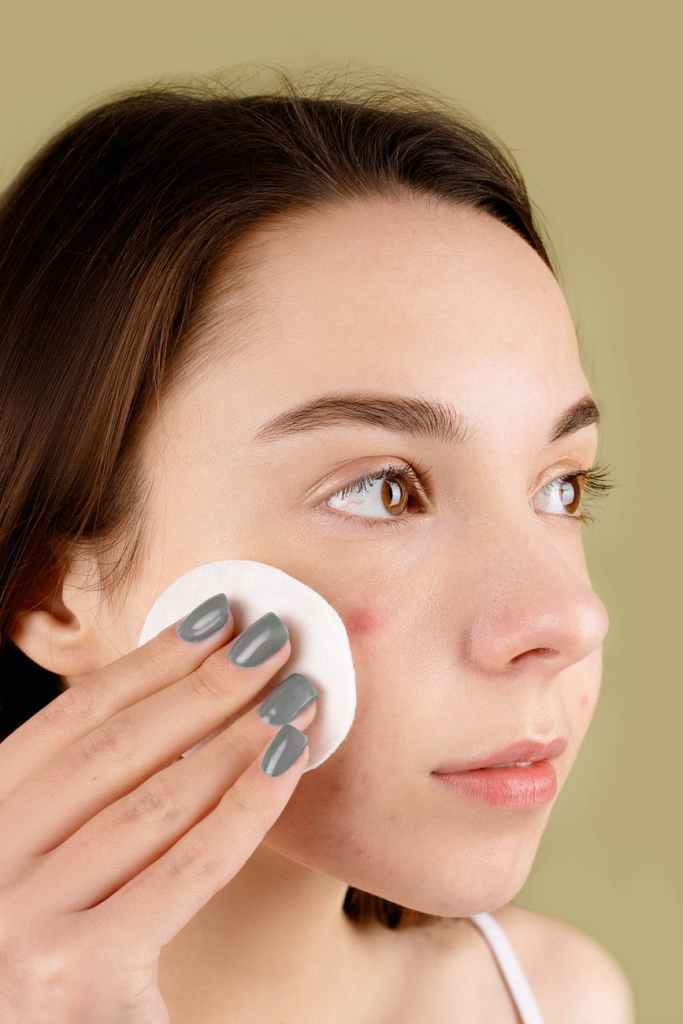
Enjoy Your Favorite Foods
It’s a myth that oily foods or chocolate directly cause pimples. Acne happens when pores are blocked by oils, skin cells, and normal bacteria, causing inflammation. If certain foods triggers your break out, avoid them. But you don’t need to completely stay off pizza or chocolate for clear skin

Lighten Up Your Cosmetics
Avoid oil-based cosmetics. How can you tell? Follow this simple guideline: Creamy foundation or blush generally can clog pores. Mineral-based cosmetics, which are light and powdery, may be less likely to do so. You can look for “noncomedogenic” on makeup labels.
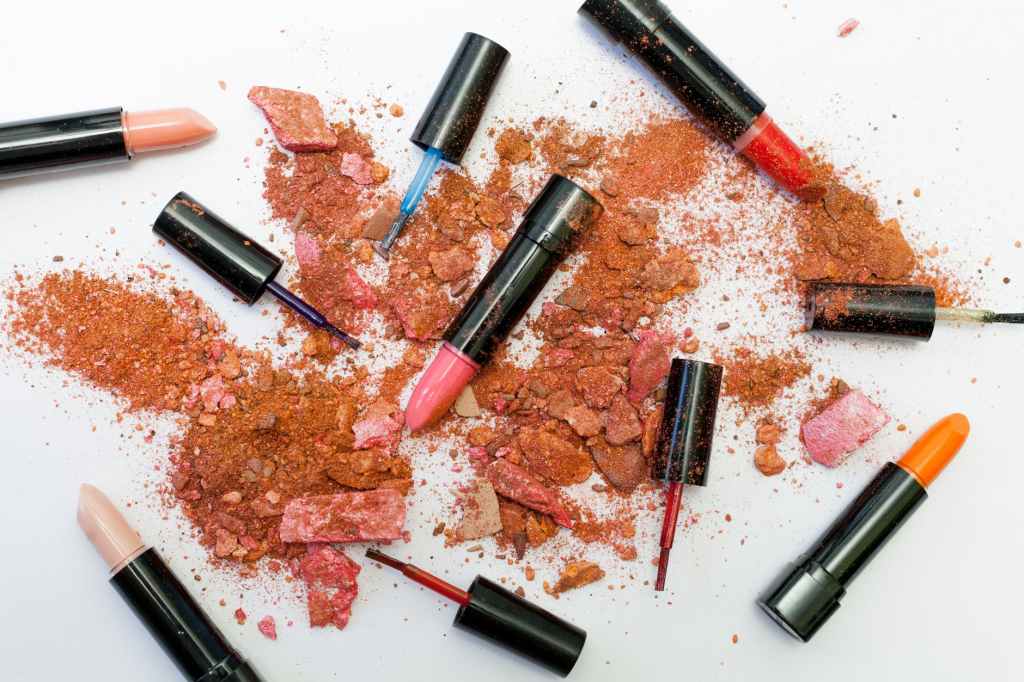
Go Oil-Free
If you wear makeup, use an oil-free foundation. Also, no matter how tired you are, ensure you wash your makeup off before retiring to bed

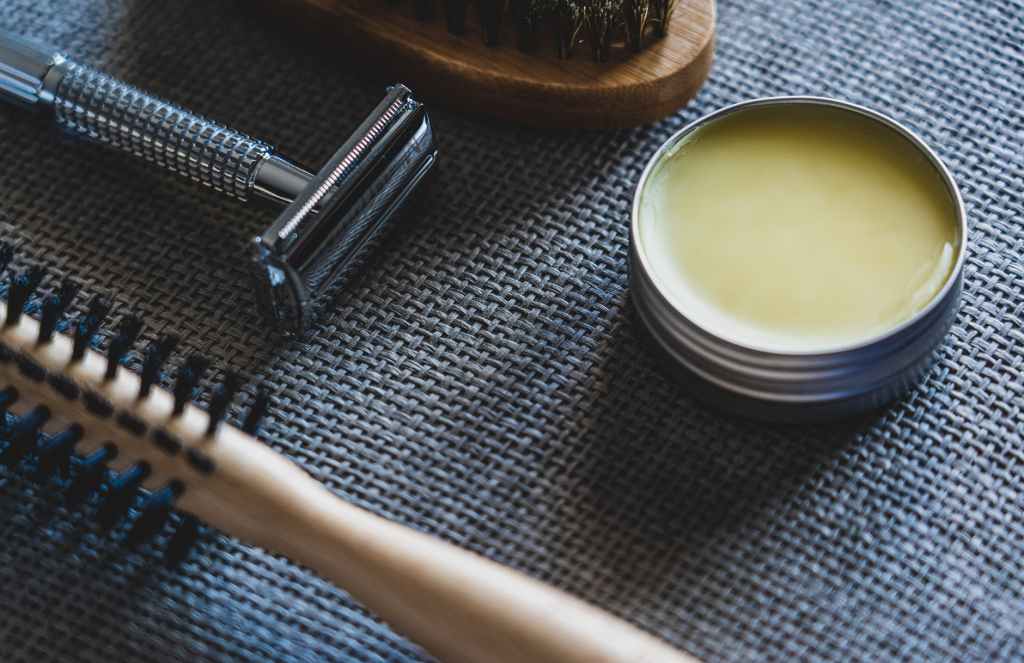
Don’t Use Greasy Hair Products
Too much product such as pomades or gels can clog your pores when your hair brushes against your face. If you have oily hair, wash with shampoo daily. Shield your face when you use any sprays or gels on your hair .
Do Keep Hair Off Your Face
Got long locks? Pull them back when you sleep so they don’t aggravate your skin. Try to keep them away from your face during the day as well. Why? Hair contains oils that can block pores and cause breakouts, even if you don’t use hair products.

Hands Off
Avoid touching or rubbing your face, since that can worsen acnes. Try to keep your cell phone from touching your face, too. Use earbuds instead of having the phone against your skin. Also, don’t lean your face on your hands, which may carry oils and germs that can irritate blemishes. Sweat can also make acne worse. Sweaty after exercise? Take a shower.

Use Tools
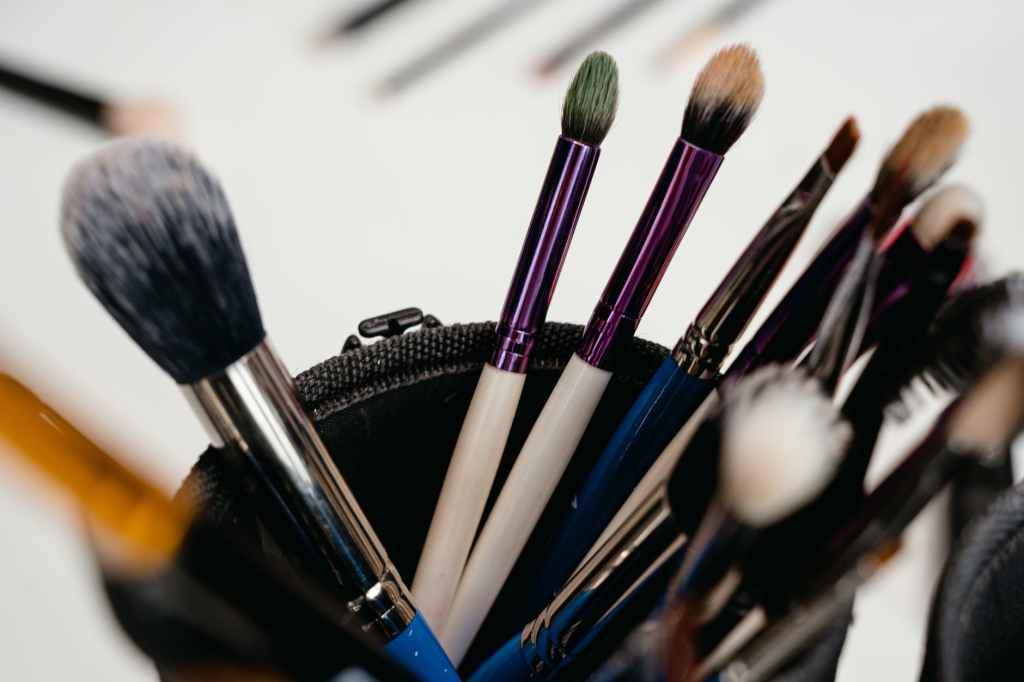
Use cotton balls, cotton swabs, or clean applicators when you smooth on creams or put makeup on. Don’t reuse them — start fresh every time. If you use your hands, wash them first and only use your fingertips. Also, clean your skin with wipes before you put on makeup
Don’t Pop Your Pimples
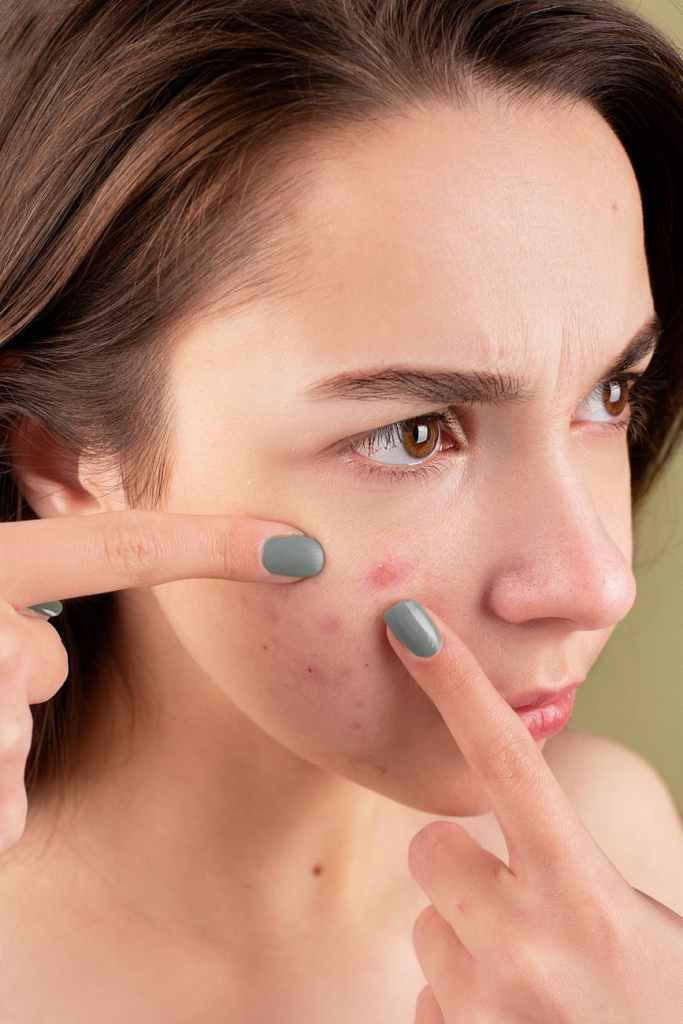
It just creates more problems. Squeezing pimples may push infected material into the skin, where it can cause more inflammation and scarring. Resist the temptation so that those spots heal faster and are less likely to scar.
Use Acne Medicine as Directed
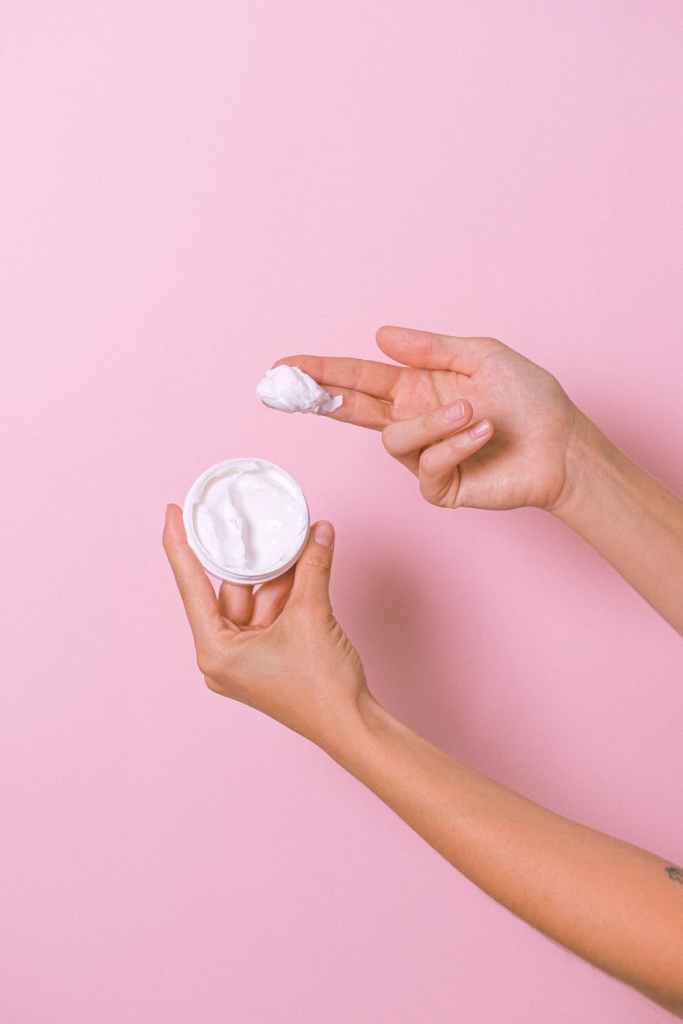
There’s no quick fix for acne. Medicines don’t work drastically. Many treatments take weeks of consistent use before your skin improves. Some acne may take up to 6 months to clear up. Afterward, basic skin care — bathing daily and washing your face and hands with mild soap — may not be enough. You may need to keep using your medicine even when your skin clears. Follow your doctor’s directions. Don’t use too much or too little
Look Into All Acne Treatments
If the ones you’re using now don’t seem to be working, see your doctor or dermatologist to talk about other options, you could get a better one There are many types of medicines to help clear your skin. Some need a doctor’s prescription.
 Health,beauty and fitness Web