Urinary Tract Infections in Men

Your urinary tract is made up of parts of your body that produces urine and propels it out of your body.

For men, these parts include your kidneys and bladder, as well as your ureters and urethra. Ureters are the twin tubes that carry urine from your kidneys to your bladder. Your urethra is the single tube that carries urine from your bladder past your prostate and to the tip of your penis.

If unhealthy bacteria build up anywhere in your urinary tract, this can cause an infection. And while urinary tract infections (UTIs) are much more common in women, men can also get them.

The Two Types of Urinary Tract Infection

Doctors usually refer to UTIs as either “upper tract” or “lower tract.” An upper-tract infection is one that happens in the ureters or kidneys. A lower-tract infection is one that happens in the bladder, prostate, or urethra.

UTI Symptoms

Depending on the location of your UTI, you may have one or more of these symptoms:

  • Frequent bathroom visits
  • Urination Urgency
  • Pain, burning, or discomfort while peeing or just after
  • Pain or tenderness below your stomach
  • Wetting the bed
  • Cloudy or smelly urine
  • Blood in your urine
  • Fever
  • Nausea
  • Pain in the sides or upper back

Some men don’t have any symptoms at all.

Diagnosing a UTI

Your doctor will ask about your symptoms. They will also ask about your sexual history because sex can raise your risk for a UTI.

Urine tests can confirm whether you have a UTI. If your doctor thinks the problem might be related to your prostate, you may get a prostate exam. Rarely, you may also need to get an X-ray or ultrasound so your doctor can get a better look at your urinary tract.

Treatment for a UTI

Doctors usually treat UTIs with antibiotics you take by mouth. Your doctor will probably choose an antibiotic based on the likely source (such as your bladder) and the bacteria that most commonly cause your UTI. You’ll probably start taking those antibiotics before you get the results of your urine test. (Your doctor may change the prescription if the test shows that the bacteria causing your UTI aren’t targeted by your first antibiotic.)

UTI Causes and Risk Factors

The most common cause of a UTI in the urethra is a sexually transmitted diseaseChlamydia and gonorrheaare two STDs that can cause a UTI. STDs are also the most common cause of UTIs in younger men.

Prostate problems can also cause UTIs. An enlarged prostate (BPH) is common in older men and can block the flow of urine. This can increase the odds that bacteria will build up and cause a UTI.

Prostatitis, which is an infection of the prostate, shares many of the same symptoms as UTIs.

Diabetes and other medical issues that affect your immune system can also make you more likely to get a UTI.

UTI Complications

If untreated, a lower urinary tract infection can spread up to your kidneys. Doctors can usually treat kidney infections. In rare cases, an untreated kidney infection can lead to chronic kidney disease or kidney failure. A kidney infection can be serious, because it could cause sepsis (an infection in the bloodstream). If that happens and you feel very sick, you may need to be treated in a hospital.

Preventing a UTI

You can’t prevent all UTIs, but you can help make them less likely.

Wearing a condom during sex can protect you from STDs, which can lower your risk for a UTI. Treating prostate problems can also lower your risks.

Source: Daily reads from webmd
15 Cancer Symptoms to Know

Changes in Your Skin

A new spot on your skin or one that changes size, shape, or color could be a sign of skin cancer. Another is a spot that doesn’t look the same as all the others on your body. If you have any unusual marks, have your doctor check your skin. They will do an exam and may remove a small piece (called a biopsy) to take a closer look for cancer cells.

Nagging Cough

If you don’t smoke, there’s very little chance a nagging cough is a sign of cancer. Usually, it’s caused by postnasal drip, asthma, acid reflux, or an infection. But if yours doesn’t go away or you cough up blood — especially if you are a smoker — see your doctor. They may test mucus from your lungs or do a chest X-ray to check for lung cancer.

Breast Changes

Most breast changes are not cancer. It’s still important, though, to tell your doctor about them and check them out. Let them know about any lumps, nipple changes or discharge, redness or thickening, or pain in your breasts. They’ll do an exam and may suggest a mammogram, MRI, or maybe a biopsy.

Bloating

You may have a full, bloated feeling because of your diet or even stress. But if it doesn’t get better or you also have fatigue, weight loss, or back pain, have it checked out. Constant bloating in women may be a sign of ovarian cancer. Your doctor can do a pelvic exam to look for the cause.

Problems When You Pee

Many men have urinary issues as they get older, like the need to go more often, leaks, or a weak stream. Usually, these are signs of an enlarged prostate, but they could also mean prostate cancer. See your doctor for an exam and maybe a special blood test called a PSA test.

Swollen Lymph Nodes

You have these small, bean-shaped glands in your neck, armpits, and other places in your body. When they’re swollen, it often means you’re fighting an infection like a cold or strep throat. Some cancers like lymphoma and leukemia can also cause this kind of swelling. Talk to your doctor to pinpoint the cause.

Blood When You Use the Bathroom

If you see blood in the toilet after you go, it’s a good idea to talk to your doctor. Bloody stool is likely to come from swollen, inflamed veins called hemorrhoids, but there’s a chance it could be colon cancer. Blood in your pee could be a problem like a urinary tract infection, but it may be kidney or bladder cancer.

Testicle Changes

If you notice a lump or swelling in your testicles, you need to see your doctor right away. A painless lump is the most common sign of testicular cancer. Sometimes though, men may just have a heavy feeling in their lower belly or scrotum or think their testicles feel larger. Your doctor will do a physical exam of the area and may use an ultrasound scan to see if there is a tumor or another problem.

Trouble Swallowing

The common cold, acid reflux, or even some medicine can make it hard to swallow once in a while. If it doesn’t get better with time or with antacids, see your doctor. Trouble swallowing can also be a sign of cancer in your throat or the pipe between your mouth and stomach, called the esophagus. Your doctor will do an exam and some tests like a barium X-ray, in which you swallow a chalky fluid to show your throat more clearly on the image.

Unusual Vaginal Bleeding

Bleeding that’s not part of your usual period can have many causes, like fibroids or even some types of birth control. But tell your doctor if you’re bleeding between periods, after sex, or have bloody discharge. They’ll want to rule out cancer of the uterus, cervix, or vagina. Be sure to let them know if you are bleeding after menopause. That’s not normal and should be checked out right away.

Mouth Issues

From bad breath to canker sores, most changes in your mouth aren’t serious. But if you have white or red patches or sores in your mouth that don’t heal after a couple of weeks — especially if you smoke — see your doctor. It may be a sign of oral cancer. Other things to look for: a lump in your cheek, trouble moving your jaw, or mouth pain.

Weight Loss

Of course you can slim down when you change the way you eat or exercise. It can also happen if you have other issues, like stress or a thyroid problem. But it’s not normal to lose 10 pounds or more without trying. There’s a chance it could be a first sign of cancer of the pancreas, stomach, esophagus, lung, or other type of cancer.

Fever

A fever isn’t usually a bad thing. Sometimes it’s just a sign that your body is fighting an infection. It can also be a side effect of some medicines. But one that won’t go away and doesn’t have an obvious cause could be a sign of a blood cancer like leukemia or lymphoma.

Heartburn or Indigestion

Almost everyone has this burning feeling sometimes, often because of their diet or stress. If lifestyle changes don’t work and your indigestion doesn’t stop, your doctor may want to do some tests to look for a cause. It could be a sign of stomach cancer.

Fatigue

A lot of things can make you very tired, and most of them aren’t serious. But fatigue is one early sign of some cancers, like leukemia. Some colon and stomach cancers can cause blood loss that you can’t see, which can make you feel very tired. If you’re wiped out all the time and rest doesn’t help, talk to your doctor.

Source; Webmd

Do Antibiotics affect fertility?

When you’re ready to conceive, you want to do everything you can to improve your odds of a pregnancy. Some factors can affect your fertility, including your age, your weight, and whether you drink alcohol or smoke.

Some of the medicines you take could also affect your odds of a conceiving. Antibiotics can either help or hurt your fertility, depending on your situation.

Check your medicine shelves and talk to your doctor about any antibiotics or other medicines you take before you try to conceive.

How Antibiotics Improve Fertility

Bacterial infections are one of the most common causes of infertility in both men and women. Sexually transmitted infections (STIs) like chlamydia and gonorrhea can damage the uterus, ovaries, and fallopian tubes in women, and the tubes that sperm travel through in men.

Sometimes these infections symptomless. You may not even know you have an STI. Without treatment, bacteria can spread to the uterus, ovaries, or fallopian tubes and cause pelvic inflammatory disease (PID).

PID can leave scars in the fallopian tubes. Those scars might block the tubes and prevent an egg from traveling down them to be fertilized.

Doctors prescribe antibiotics to treat bacterial infections. Treating these infections can prevent damage to the reproductive tract and may improve the odds of a conceiving

How Antibiotics Make It Harder to Get Pregnant

Some antibiotics cause fertility problems in men who take them for a long time. Antibiotics affect both the quantity and quality of sperm. They may reduce the count of sperm a man produces, and make the sperm he does produce swim more slowly.

These are some of the antibiotics that could affect sperm quantity and movement:

The effects on fertility should stop within 3 months after you stop taking antibiotics. But if you’re worried, ask your doctor to prescribe an antibiotic that won’t affect sperm quality.

Can Antibiotics Make Birth Control Less Effective?

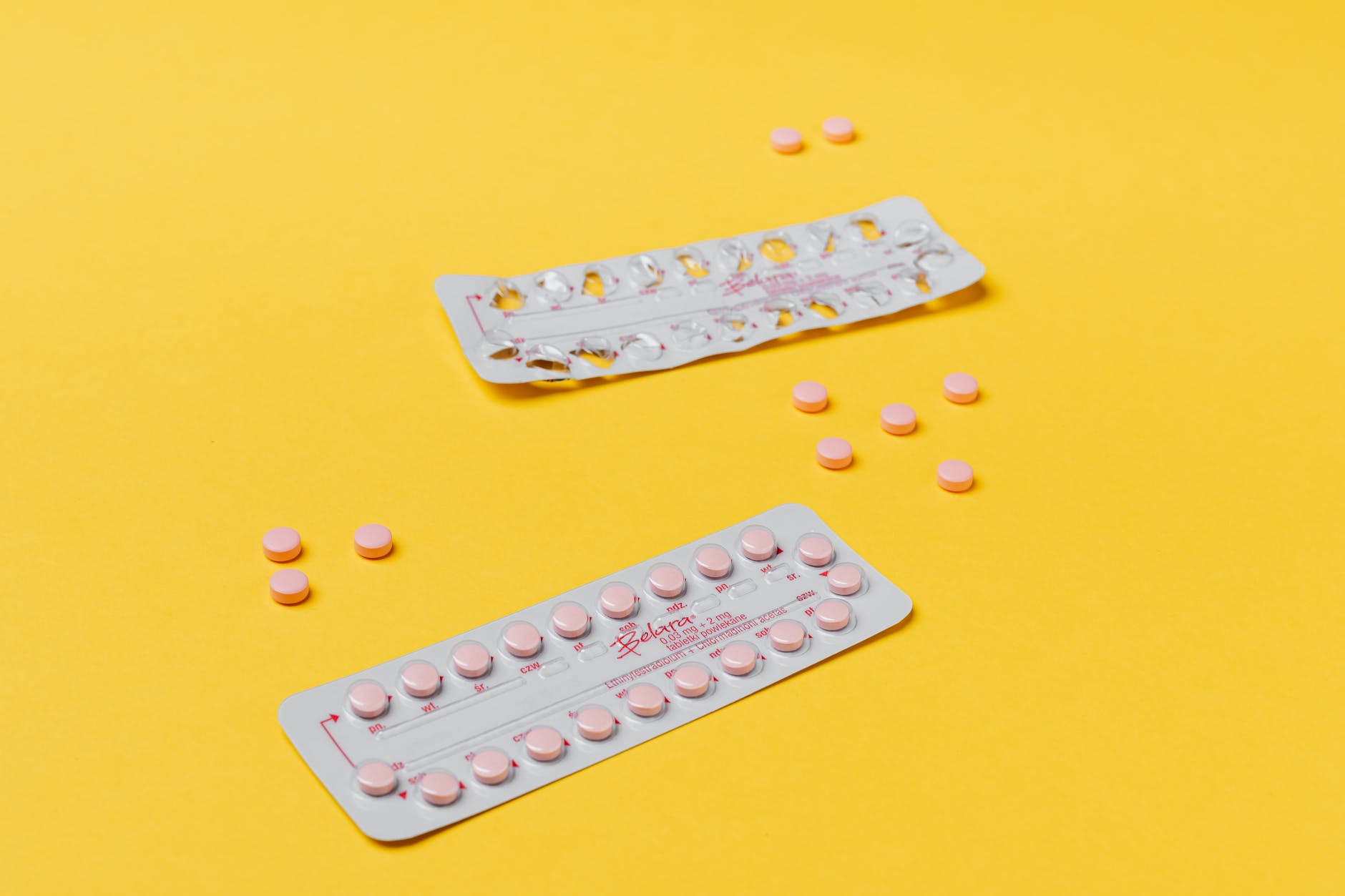
A few antibiotics might cause problems for people who don’t want to get pregnant. Rifampicin (Rifadin) and rifabutin (Mycobutin) can interact with birth control pills and make them less effective. These antibiotics are used to treat meningitis and tuberculosis.

Most other antibiotics won’t cause this side effect. If you need to take Rifadin or Mycobutin, ask your doctor if you should use condoms or another type of birth control to prevent an unplanned pregnancy.

Antibiotics and Miscarriage Risk

One large study linked the use of antibiotics with an increased risk for miscarriage. The drugs that seemed to increase this risk were:

This study didn’t prove that antibiotics cause miscarriage. A few other studies have found the same link, but others haven’t. Also, the authors couldn’t tell whether it was the antibiotics, or the infections those antibiotics were treating that led to the miscarriages.

Antibiotics and Pregnancy

If you are trying to get pregnant or you’re already pregnant, check with your doctor before you take antibiotics or any other new medicines, including over-the-counter medicines. If a medicine you need could affect your fertility or pregnancy, your doctor might be able to prescribe something else.

Reference; webmd

Why do I keep having Yeast infections

Research shows ,75% of women will get at least one yeast infectionin their lifetime, up to 8% get more than four a year. They’re called recurrent yeast infections when they happen over and over.

If you’re one of those women, you and your doctor might need to take a different approach.

What Could Be Happening

Most yeast infections are caused by a type of fungus(candida) called Candida albicans. Other kinds of fungus can cause yeast infections, as well , but antifungaltreatments usually only target the most common ones. If your infection is caused by something different, antifungals used to treat yeast infections may not be effective for you.

Or, while it may seem as though you’re getting new infections, you may not have gotten rid of the first one. Be sure to follow your treatment instructions carefully and finish all of your medicine as prescribed.

Frequent use of antibiotics can lower the amount of good bacteria in your vagina. This can allow candida to grow and raise your chances of a yeast infection. The longer you use antibiotics, the more likely you are to get one.

High blood sugar from uncontrolled diabetes makes it easier for yeast to feed and thrive.

Hormonal birth control, including oral contraceptive pills and spermicidal creams and jellies, may alter the balance of bacteria in your vagina, allowing more candida to grow.

Wearing wet or tight clothing, like damp gym clothes that you don’t change out of right away, or a wet bathing suit after a swim, creates a warm, damp place that yeast flourishes.

Eating Habits

While some people believe certain foods or diets promote the growth of yeast and lead to recurrent infections, there’s not enough research to support that theory.

According to the studies that have been done, a strict diet doesn’t seem to be helpful in terms of preventing them.

Talk With Your Doctor

Your doctor can help you figure out what’s going on, especially if it’s a different kind of infection or a medical condition that’s causing your symptoms. An accurate diagnosis is the best way to get the right treatment and find relief.

Do not self medicate as abuse of antibiotics increases the growth of microbes.

Source; webmd
Everyday Habits to Lower Breast Cancer Risk

Balance Your Diet
Your food choices may assist cut your odds of having breast cancer, though scientists are doing more research to learn how diet affects the disease. Focus on vegetables, fruits, beans, and whole grains, which should make up two-thirds of your plate. Reserve the other third for lean protein such as poultry or fish. More than 5 cups a day of plant-based fare is a good guideline.
Limit Alcohol
If you’re a woman who has two or three servings a day of wine, beer, or liquor, your risk is 20% higher than one who doesn’t drink at all. Experts say if you want to imbibe, have no more than one drink a day. That only slightly raises your chances of getting breast cancer.

Don’t Smoke
Tobacco use is linked to a higher risk of breast cancer, especially in younger women who haven’t gone through menopause. How much you smoke, the age when you started, and how long you continue all affect how likely you are to get the disease. If you’re a smoker, ask your health care provider about ways to help you quit.

Know Your Tissue Type
The makeup of all breasts is different. If yours have less fatty flesh and more milk glands and supportive tissue, they’re called “dense.” That can raise your breast cancer risk and make abnormal cells harder to spot on scans. Mammograms are one way to measure your tissue type. If you have dense breasts, take other steps to lower your odds for breast cancer. You may need to get screened more.

Get Your Workouts In
Regular physical activity can lower your breast cancer risk. Experts say you should get either 150 minutes of moderate exercise or 75 minutes of harder, vigorous workouts over the course of a week. You can also do a bit of both.

Watch the Scale
When you eat a balanced diet and exercise, that can help you stay at a healthy weight, which also lowers your chance of breast cancer. Extra pounds, particularly if you put them on as an adult, are linked to a higher risk of the disease. That’s especially true for women who have been through menopause.

Consider Your Birth Control
Hormonal forms of contraception — such as pills and some IUDs — are linked to a slightly higher chance of breast cancer. But they can also protect you against other types of tumors. Your doctor can help you think about how the things that raise your odds of having breast cancer compare with the reliability and health benefits of different types of birth control and decide what’s best for you.

What About HRT?
Some women take hormone replacement therapy to ease menopause symptoms or prevent bone fractures. But your risk of breast cancer rises when you take the combination type (estrogen and progesterone) or if you take the estrogen-only type for many years. If menopause seriously affects you, talk to your doctor about your options. If you decide to take this medication, you’ll want the lowest effective dose for the shortest amount of time.

Make Sure You Get Fiber
You can find this nutrient in whole grains, vegetables, fruits, and beans. Women who eat plenty of these foods had a lower risk of breast cancer, according to several studies. Scientists aren’t exactly sure how it works to prevent tumors, but they’re doing more research to understand why. A fiber-rich diet can also help your health in other ways, like lowering your odds of diabetes and heart disease.

Keep It Dark
Women exposed to a lot of light at night — whether because they do shift work or they live in well-lit areas — may have a higher risk of breast cancer. Researchers think the link is a hormone called melatonin, which your body makes when darkness falls so that you’ll feel sleepy. If you can, try to control how much light you’re around at night. Tools like blackout shades, a sleeping mask, and low-watt bulbs in your bathroom can help.

Do You Get Vitamin D?
Your body makes its own vitamin D when sunlight hits your skin. But a more reliable way to get enough is through foods like salmon, oysters, sardines, and fortified foods like milk and orange juice. When you don’t get enough of this nutrient, your risk of breast cancer may go up. You can also get it in supplement form, but talk to your doctor before you take it.

Check Your Toiletries
Many cosmetics, lotions, and hair products have parabens, which can act like a weak estrogen in your body. Some scientists think these chemicals might be able to trigger hormone-positive breast cancer, but the research is far from clear. If you’re worried about the risk, you can buy items made without this substance.

Be Informed
There’s a lot of misinformation about breast cancer out there. To address some common myths: A mammogram is an important screening tool, and it will not cause a tumor to spread. You will not raise your risk if you shave your underarms or use antiperspirant. Wearing a bra — underwire or other types — does not affect your odds.

Signs of Hormonal Imbalance

Your Hormones, Your Health

1 / 18

Feeling bloated, irritable, or uneasy? Shifts in your hormones could be to blame. Hormones are chemical “messengers” that impact the way your cells and organs function. It’s normal for your levels to shift at different times of your life, such as before and during your period or a gestation, or during menopause. But some medications and health issues can cause your levels to go up or down, as well.

Appetite and Weight Gain

2 / 18

You may gain weight during hormonal shifts, such as menopause. But hormone changes don’t directly affect your weight. Instead, it likely happens because of other factors, like aging or lifestyle. For example, when you’re feeling blue or irritated, as you can be when your estrogen levels drop, you may want to eat more. It can also impact your body’s levels of leptin, a hunger-revving hormone.

Sudden Weight Loss

3 / 18

Your thyroid gland helps regulate how fast your body converts food into fuel, as well as your heart rate and temperature. When it makes too many hormones — or doesn’t make enough — your weight can drop. If you’ve lost 10 pounds or more but haven’t been working out more or eating differently, consult your doctor.

Irregular Periods

4 / 18

A normal cycle is around every 21 to 35 days. If yours doesn’t show up around the same time every month, or you skip some months, it might mean that certain hormones (estrogen and progesterone) are too high or too low. The reason for that can be perimenopause — the time before menopause — if you’re in your 40s or early 50s. But irregular periods can also be a symptom of health problems like polycystic ovary syndrome (PCOS). Talk to your doctor.

Sleep Problems

5 / 18

If you aren’t getting enough shut-eye, or finding it hard to sleep well, your hormones could be at play. Progesterone, a hormone released by your ovaries, helps you catch ZZZs. When levels fall during your menstrual cycle, for example, you may have a hard time falling asleep. Low levels of estrogen can trigger hot flashes and night sweats, both of which can make it tough to get the rest you need.

Chronic Acne

6 / 18

A breakout before or during your period is normal. But acne that won’t clear up can be a symptom of hormone problems. An excess of androgens (“male” hormones that both men and women have) can trigger your oil glands to overwork. Androgens also affect the skin cells in and around your hair follicles. Both of those things can clog your pores and cause chronic acne.

Dry Skin

7 / 18

A shift in hormones can leave your skin parched and flaky. This can happen during menopause, when your skin naturally starts to thin and can’t hold onto as much moisture as before. A thyroid issue could also be to blame. A dermatologist can help improve the look of your skin, but if you have other symptoms, you may also want to see your primary care provider.

Memory Fog

8 / 18

Experts aren’t sure exactly how hormones impact your brain. What they do know is that changes in estrogen and progesterone can make your head feel “foggy” and make it harder for you to remember things. Some experts think estrogen might impact brain chemicals called neurotransmitters. Attention and memory problems are especially common during perimenopause and menopause. But they can also be a symptom of other hormone-related conditions, like thyroid disease. So, let your doctor know if you’re having trouble thinking clearly.

Belly Problems

9 / 18

Your gut is lined with tiny cells called receptors that respond to estrogen and progesterone. When these hormones are higher or lower than usual, you might notice changes in how you’re digesting food. That’s why diarrhea, stomach pain, bloating, and nausea can crop up or get worse before and during your period. If you’re having digestive woes as well as issues like acne and fatigue, your hormone levels might be off.

Ongoing Fatigue

10 / 18

Are you tired all the time? Fatigue is one of the most common symptoms of a hormone imbalance. Excess progesterone can make you sleepy. And if your thyroid — the butterfly-shaped gland in your neck — makes too little thyroid hormone, it can sap your energy. A simple blood test called a thyroid panel can tell you if your levels are too low. If they are, you can get treated for that.

Night Sweats

11 / 18

If you wake up drenched, low estrogen could be the cause. Many women have night sweats as a sign of menopause. Other hormone issues can cause them, equally.

Mood Swings and Depression

12 / 18

Researchers think a fall in hormones or fast changes in their levels can cause moodiness and the blues. Estrogen affects key brain chemicals like serotonin, dopamine, and norepinephrine. But other hormones, that travel the same paths as neurotransmitters, also play a part in the way one feels.

Hair Loss and Thinning Hair

13 / 18

When hormones like estrogen drop, others in your body, like testosterone, start to have a bigger impact. The result is thinning hair or hair loss. You could notice this during pregnancy, menopause, or after you start birth control pills.

Headaches

14 / 18

Lots of things can trigger these. But for some women, drops in estrogen bring them on. That’s why it’s common for headaches to strike right before or during your period, when estrogen is on the decline. Regular headaches or ones that often surface around the same time each month can be a clue that your levels of this hormone might be shifting.

Vaginal Dryness

15 / 18

It’s normal to have this occasionally. But if you often notice that you’re dry or irritated down there, low estrogen levels may be the reason. The hormone helps vaginal tissue stay moist and comfortable. If your estrogen levels drop because of an imbalance, it can reduce vaginal fluids and cause tightness.

Loss of Libido

16 / 18

Most people think of testosterone as a male hormone, but women’s bodies make it, too. If your testosterone levels are lower than usual, you might have less of an interest in sex than you usually do.

Breast Changes

17 / 18

A drop in estrogen can make your breast tissue less dense. And an increase in the hormone can thicken this tissue, even causing new lumps or cysts. Talk to your doctor if you notice breast changes, even if you don’t have any other symptoms that concern you.

Thirst

18 / 18

Both estrogen and progesterone can affect the amount of water in your body. When their levels change — like they do before or at the start of your period — you can find yourself more thirsty than usual. Thirst can also be a sign that your body isn’t making enough anti-diuretic hormone (ADH), which helps you retain a healthy amount of water. This can cause a condition called diabetes insipidus.

Easy Skin Care Tips for Men

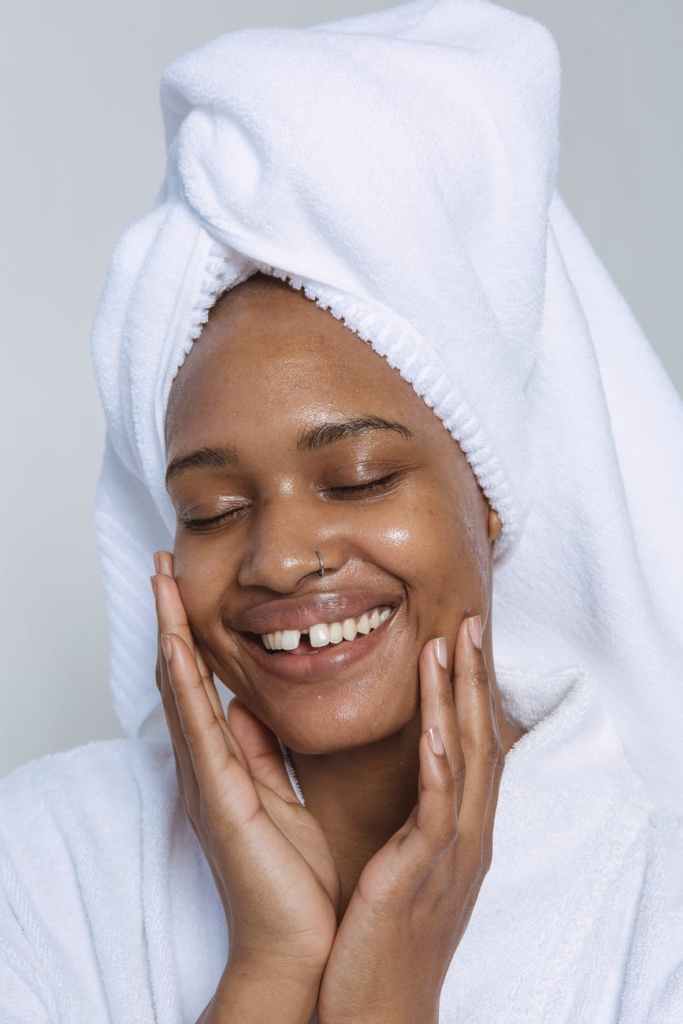
Take Warm, Not Hot Showers

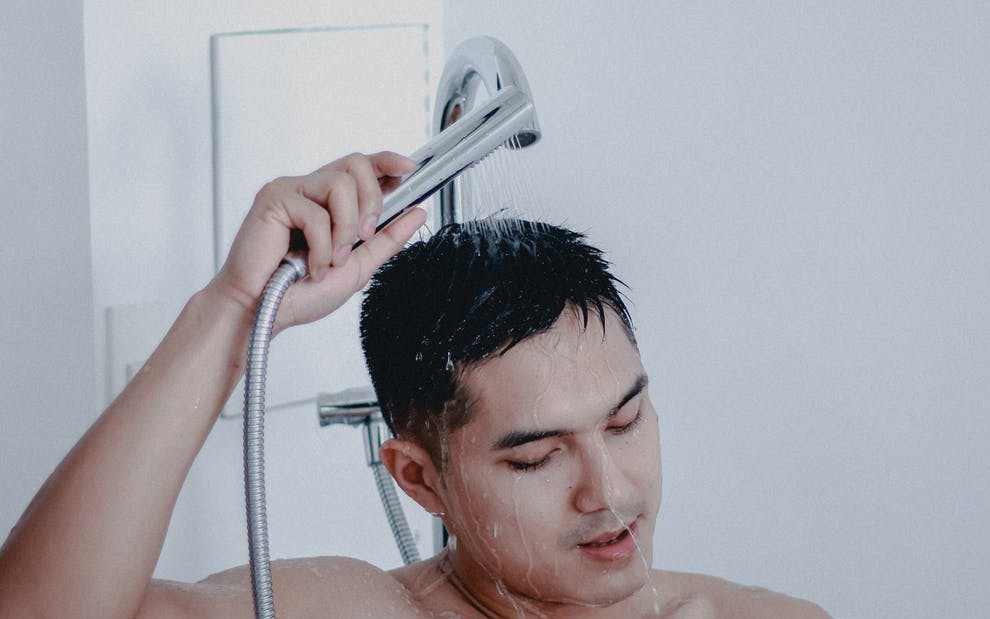
On a cool morning, nothing feels better than steaming hot water. But turning the temp down just a bit can help keep your skin from getting flaky, dry, scaly, and itchy. The hotter the water (and the longer you stay in the shower), the more natural oils get stripped away. If you can’t stand anything less than a scalding scrub, have a quick shower less than five minutes.

Moisturize!

Men’s faces tend to be oilier than women’s, but to help avoid wrinkles, it’s still smart to use a daily moisturizer. Men with normal to oily skin can get enough moisture from a light lotion or hydrating gel. If you have drier skin, try a thicker cream.

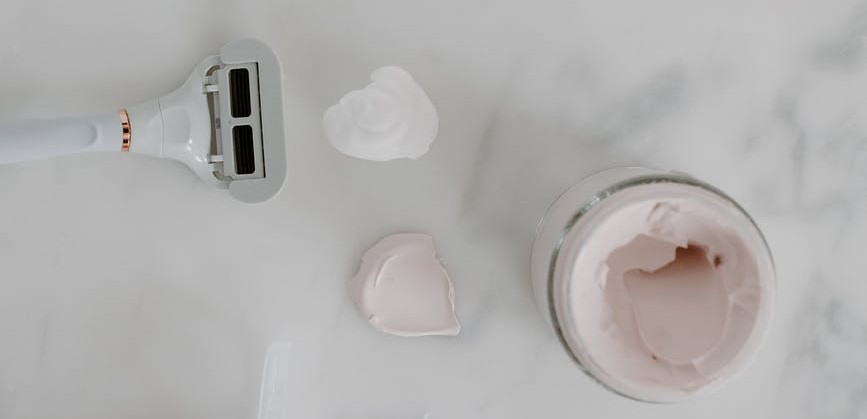
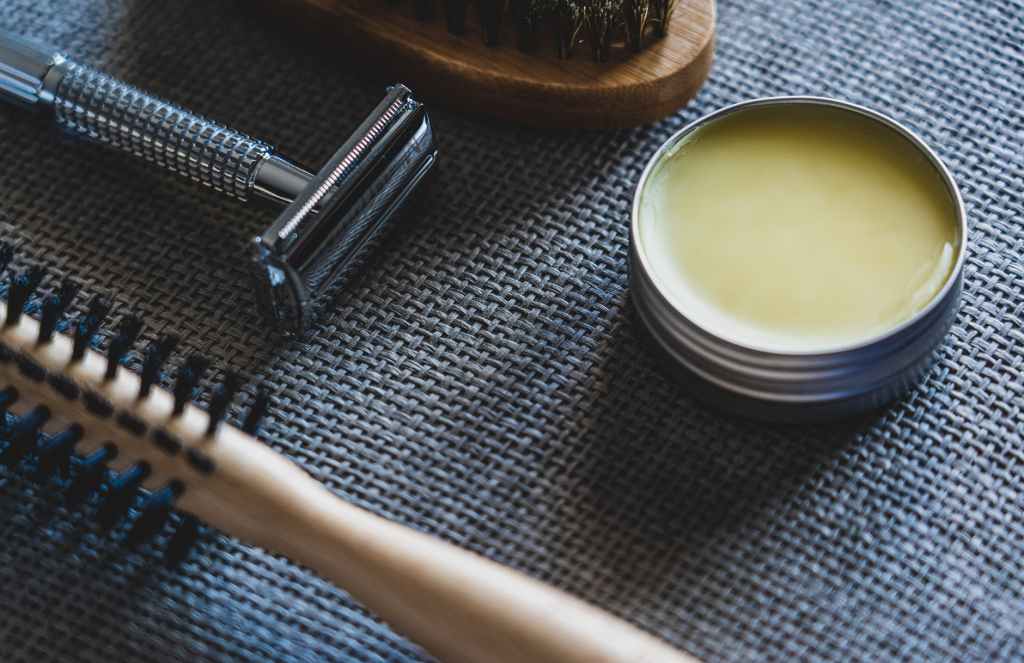
Soften Up Before You Shave

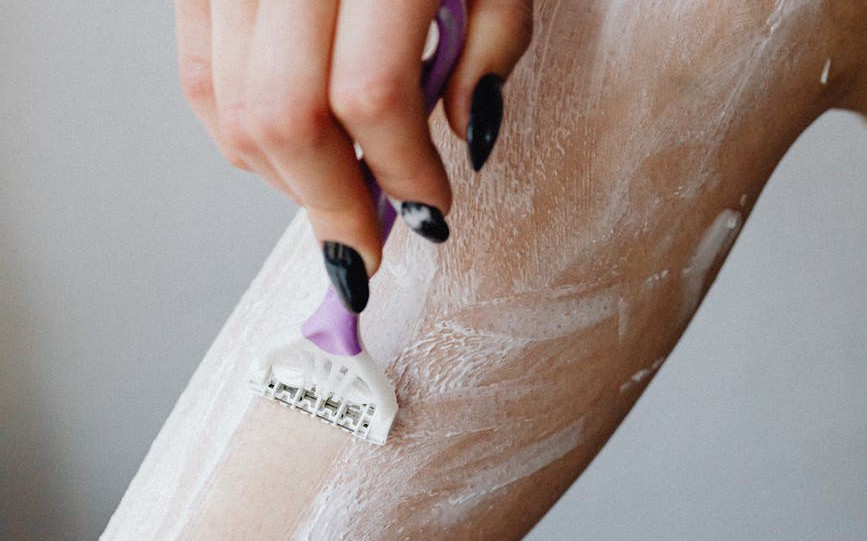
For a comfy shave, keep things moist. That’s why it’s smart to do it when you’re fresh out of the shower and coarse beard hairs are wet and more flexible. And if you’re allergic to razor burn, try a shaving gel rather than a foam. The newest gels soften hairs even more, so you’re less likely to have redness, razor bumps, or ingrown hairs afterward. Other ways to avoid ingrowns: Always shave in the direction of hair growth, and use as few strokes as possible.

Face Facts: Cleanser, Not Soap

If your face is sensitive or flaky, use a cleanser that doesn’t have sodium lauryl sulfate, which makes things foamy but can dry your skin. Also look for ingredients like ceramides, glycerin, sunflower or soybean oils, or petrolatum, which moisturize. If your skin is oily, try a cleanser with natural bacteria-fighters like citrus, tea tree oil, or eucalyptus. Typical deodorant soaps are just too drying for the thinner skin on your face.


Avoid Aftershaves With Alcohol

Shaving scrapes away the top layers of skin cells. That’s good for clearing up breakouts and dryness, but it can irritate your face. A moisturizer will soothe the sting. Avoid alcohol-based aftershaves, which can make it worse.. With today’s razors, cutting yourself is less common, and less a risk than razor burn.

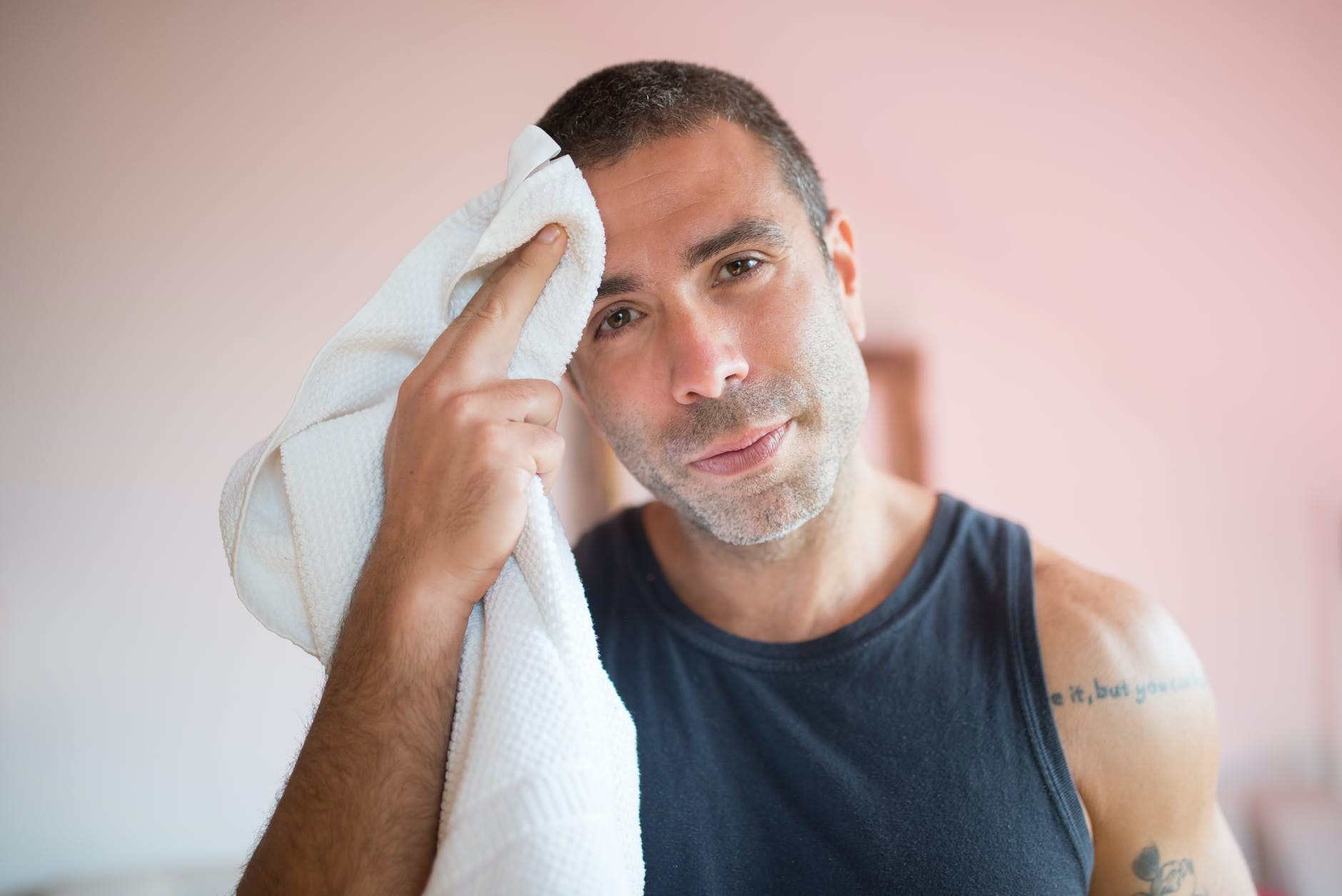
Pat, Don’t Rub

After washing up, pat dry — especially the thinner, more delicate skin on your face. Rubbing too hard with a towel can irritate and dry it out.

Read Labels Before You Buy

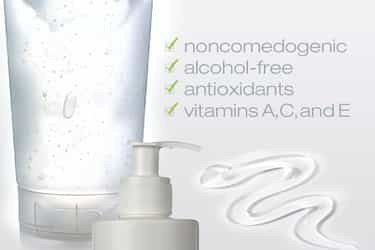
Skin care product labels can seem confusing at first, so to simplify things, just look for a few helpful key words: “Noncomedogenic” means a cream or lotion won’t cause zits; “alcohol-free” means it’s likely to be gentle and won’t dry you out; a cleanser or lotion with “antioxidants” or vitamins A, C, or E may help skin repair itself from everyday damage

Skip the Scents

Fragrances in skin care products are usually man-made chemicals, which can irritate and dry. So if you have sensitive skin, it’s best to go for unscented lotions and cleansers. Some men do better with a scent that comes from natural ingredients like citrus or lavender.

Clear Crow’s Feet

If you have little lines around your eyes or mouth that bother you, try a moisturizer that contains hyaluronic acid, which smoothes skin. For deeper wrinkles like crow’s feet, look for an anti-aging eye cream with retinol or glycolic acid. These natural ingredients can strip off the outer layers of dead, dry skin, helping to soften lines.


Fix Up Your Feet

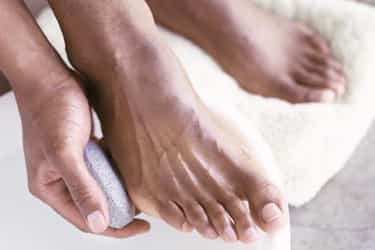
As you get older, the skin on your feet thickens and can crack. To fix it, start by getting a cheap drugstore pumice stone, and scrub your soles in the shower daily. Then rub on a thick cream or ointment — many are made especially for the feet, but any intense moisturizer will help. If the cracks are really bad, swipe on a thick layer of cream before bed, then put on socks to lock in the moisture overnight.

Dab on a Little Sunscreen

One of the main causes of age spots and wrinkles is sun damage. Even if you get only five minutes of sun each day, it adds up and can age your skin. Add sunscreen — or a moisturizer that contains at least SPF 30 — to your morning routine. Make sure the product says its sunscreen is “broad-spectrum,” meaning it protects from both burning rays and the skin-aging rays

Be Careful Down Below

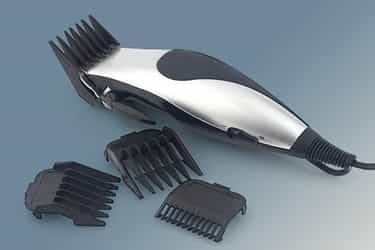
For trims and general clean up, use an electric razor or clippers, since blades can cause ingrown hairs — or worse — down below or on your back or chest. (A study found that 83% of genital injuries treated in the ER are from shaving, and 40% of them are in men.) But if you do decide to go with a regular razor, clear away dead skin cells in the shower first with a loofah or fruit-acid scrub, and use plenty of shaving gel to ward off ingrowns and irritation. For the hairless look, consider getting waxed — it lasts longer than shaving and makes for softer stubble.

15 Things You Can Do For Your Health Today

Socialize

It’s doesn’t matter how many people you know or how often you see them. What matters is a real connection with others. It can leave you happier, more productive, and less likely to have health problems. So call up a friend and go to dinner, or join a team or club to make some new ones.

Eat Fresh fruits over juice

If you like orange juice, have an orange instead. Even 100% pure juice loses nutrition when you process it, and it can put a lot of hidden sugar in your diet. On the other hand, actual fruits are good sources of vitamin C, potassium, fiber, and folic acid. And they’re low in fat, sodium, and calories.

Eat Slowly

This gives your brain the chance to get the signal that you’re full, so you’re less likely to overeat. And if you take it slow, you’re more likely to think about what you’re eating and make sensible, healthy choices. 

Take Time off

It’s a time when you can bond with family and friends, which is good for your mental and physical health. People who take more vacations live longer and are less likely to have heart disease and other health problems.

Have a Drink

Yes, we’re talking about alcohol, but please notice the “a drink” part: two a day at most for men, one at most for women. More than that and the health benefits move quickly in the opposite direction. But a little alcohol can be good for your heart health, your stress level, and even your sex life.

Watch The Fat

It’s not as clear-cut as it sounds. You definitely want to keep an eye on trans fats, which are added to some foods (like frozen pizza and baked goods) to keep them fresh. They’ve been linked to heart disease. But some fat — from dairy, whole eggs, fish, avocado, or nuts, for example — is good for you as part of a balanced diet. And high-fat dairy may even help you lose weight better than low fat.  This may be because the fat satisfies your hunger better than other calories.

Manage Your Stress

We all have stress in our lives. It makes your muscles tense and your heart race. If this happens a lot — during your daily commute, for example — and you don’t handle it well, it can cause serious health problems, including high blood pressure, ulcers, and heart disease. So take time to breathe, do something that calms you, and try to accept what you cannot change — like rush-hour traffic.

Cut Back on Sugar

Most of us get way more of it than we need. It’s not just the added calories and the lack of nutritional value: It also can make your blood sugar spike and then crash, and that leaves you tired, hungry, and angry — “hangry.”

Stay Active

Exercise is a proven way to improve your health, your mental well-being, and even your libido. You don’t have to sign up for the Marathon race — just get your heart rate up for 30 minutes or so a few times a week. Gardening works, and so does a walk around the block. If you can’t make it a habit on your own, try to make it social: Join a local sport team or plan regular runs with a friend.

Be in Motion

If you work in an office, get up and walk around every hour or so, or try a standing desk for part of the day. You’ll burn more calories, improve your circulation, and stay more alert. It may even help prevent certain health issues, like diabetes and high blood pressure and help liven your mood.

Eat Green Vegetables

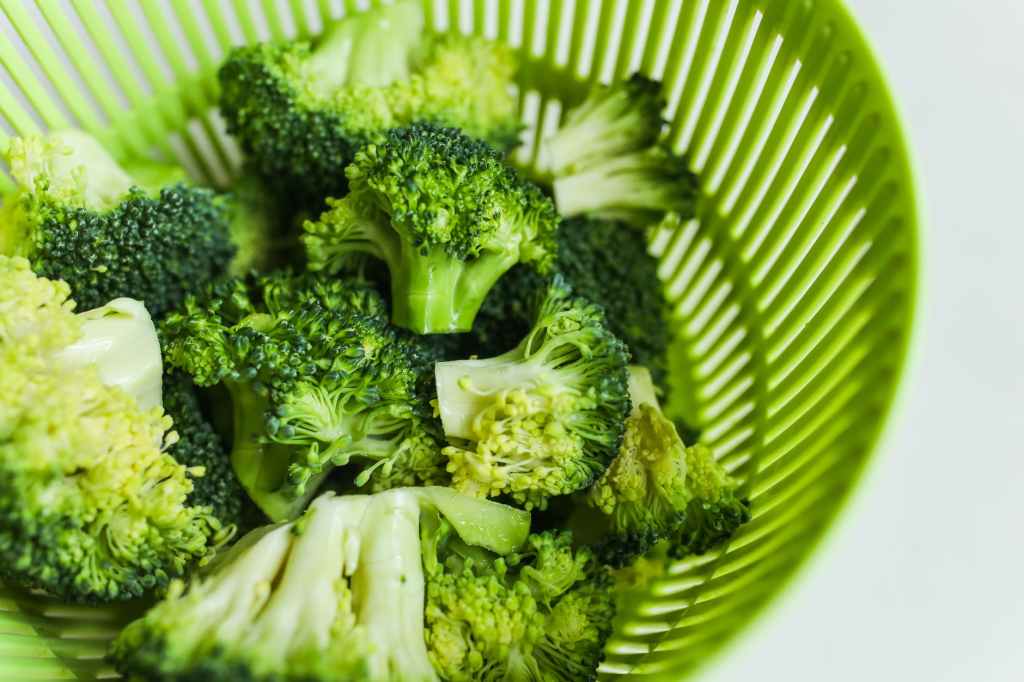
Kale, spinach, pumpkin, lettuce, broccoli — make sure you get plenty of these leafy green vegetables. They’re chock full of nutrients, low in calories, and have loads of fiber, which fills you up and satisfies your hunger.

Dance

It keeps your mind sharp because it’s a skill that involves body movement, and that’s especially good for your brain. It’s also social and can be lots of fun, which bring health benefits of their own. And you might not even notice that you’re exercising!

Have Sex

It’s linked to heart health, brain health, a long life, a strong relationship, and even happiness. Just keep it safe. Get tested for STDs and use condoms to protect yourself and your partner against diseases and unwanted pregnancy.

Get your Sleep

A lack of sleep can lead to diabetes, heart disease, obesity, and depression. If that’s not enough reason to get your ZZZs, it also causes car crashes and other accidents. Adults should get 7 to 9 hours each night.

Have a Sun Bath

The sunlight helps set your sleep clock and leads to more exercise. You’ll also get more vitamin D, which many Americans don’t get enough of. It’s important for cell function, mental health, and heart health. But don’t stay in the sun too long, and wear sunscreen. Too much sun is linked to skin cancer.

Top tips for a clear Skin

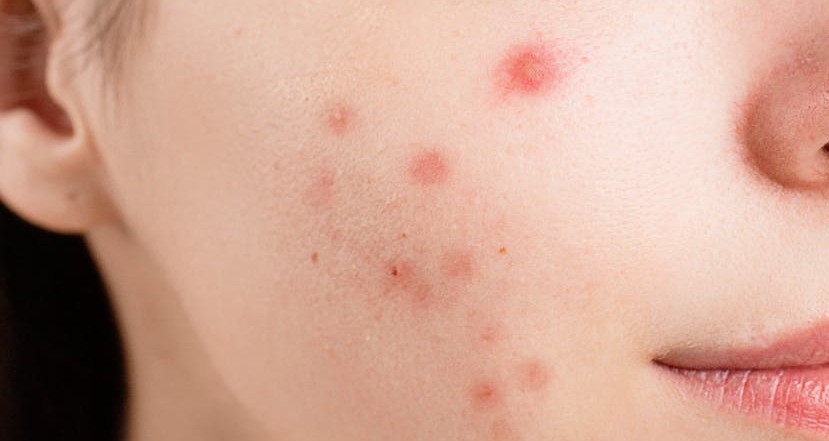
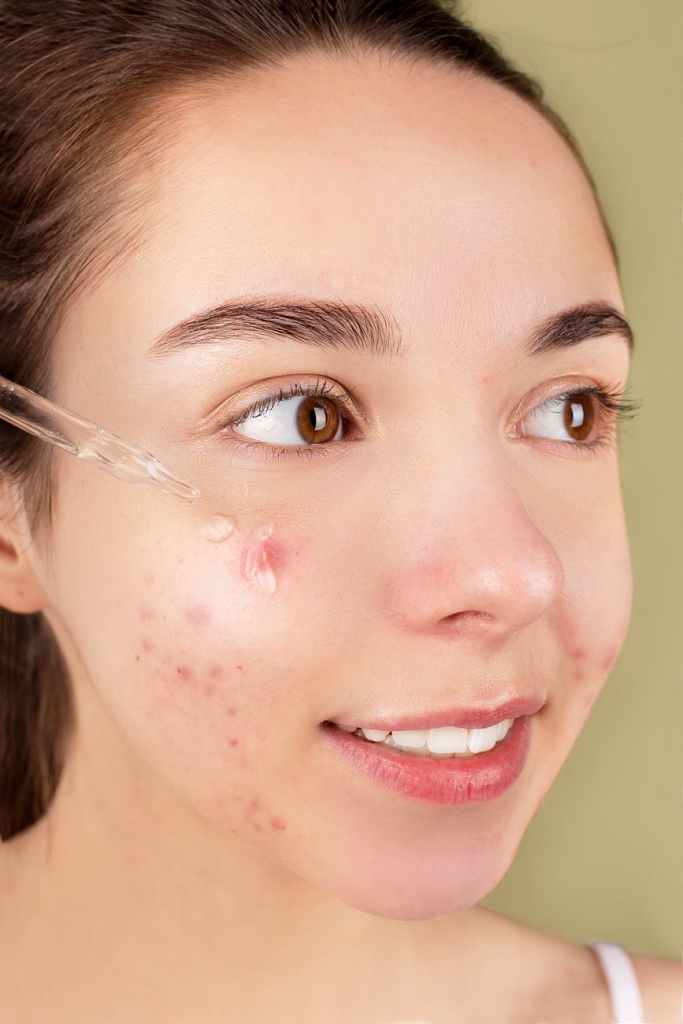
A lot could go wrong! Blemishes or pimples often show up on your face, neck, chest, back, and shoulders, where skin has the greatest amount of oil glands. It happens to almost every person, but treatments can help keep acne under control.

Take it Easy

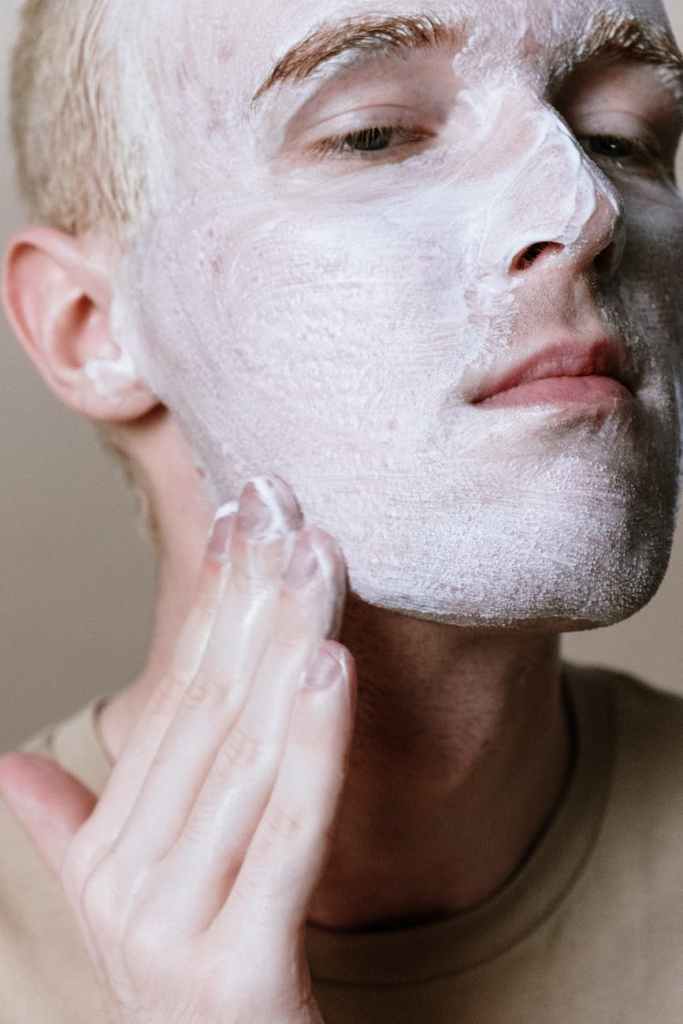
Overdoing it can irritate your skin and make acne worse. So can rough scrubs or soaps with harsh chemicals. Instead, wash acne-prone areas twice daily with a mild cleanser and warm water to minimize irritation.

Go Oil-Free When You Wash

Oil-free soaps or washes won’t clog your pores or cause blackheads, acne, and whiteheads. Choose products that are labeled “oil free,” “nonacnegenic” (which means it won’t cause acne) or “noncomedogenic” (which means it won’t clog your pores). Some also have ingredients recommended by dermatologists, such as benzoyl peroxide and salicylic acid. Make sure your washcloths are tender– you can use one made for babies — and use a clean one every time, too. Or better, massage in circular motion with your fingertips

Enjoy Your Favorite Foods

It’s a myth that oily foods or chocolate directly cause pimples. Acne happens when pores are blocked by oils, skin cells, and normal bacteria, causing inflammation. If certain foods triggers your break out, avoid them. But you don’t need to completely stay off pizza or chocolate for clear skin

Lighten Up Your Cosmetics

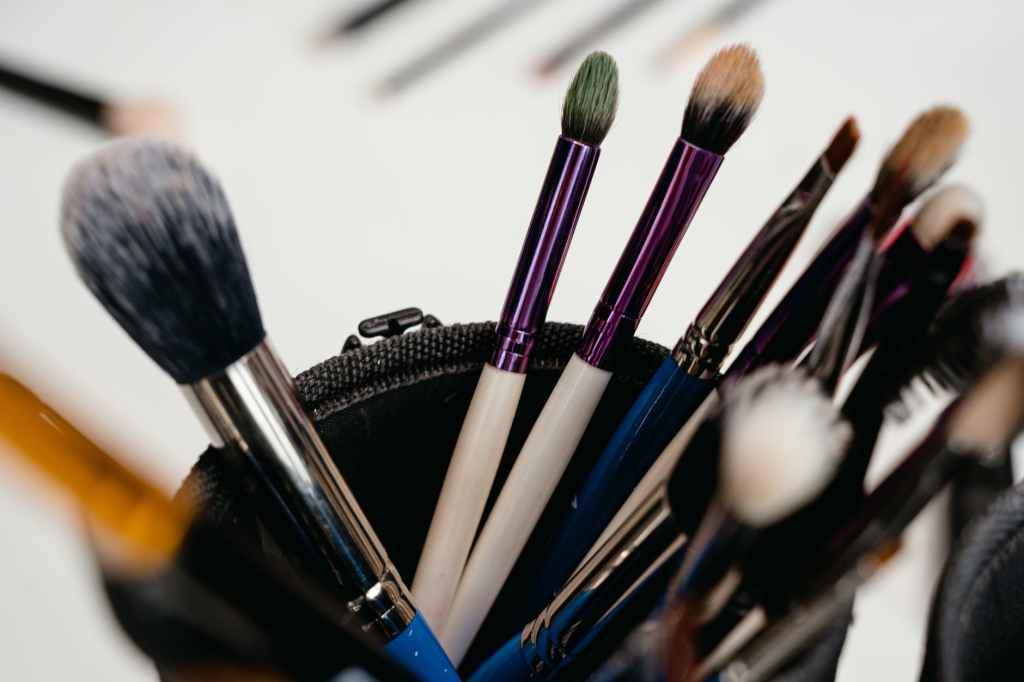
Avoid oil-based cosmetics. How can you tell? Follow this simple guideline: Creamy foundation or blush generally can clog pores. Mineral-based cosmetics, which are light and powdery, may be less likely to do so. You can look for “noncomedogenic” on makeup labels.


Go Oil-Free

If you wear makeup, use an oil-free foundation. Also, no matter how tired you are, ensure you wash your makeup off before retiring to bed

Don’t Use Greasy Hair Products

Too much product such as pomades or gels can clog your pores when your hair brushes against your face. If you have oily hair, wash with shampoo daily. Shield your face when you use any sprays or gels on your hair .

Do Keep Hair Off Your Face

Got long locks? Pull them back when you sleep so they don’t aggravate your skin. Try to keep them away from your face during the day as well. Why? Hair contains oils that can block pores and cause breakouts, even if you don’t use hair products.

Hands Off

Avoid touching or rubbing your face, since that can worsen acnes. Try to keep your cell phone from touching your face, too. Use earbuds instead of having the phone against your skin. Also, don’t lean your face on your hands, which may carry oils and germs that can irritate blemishes. Sweat can also make acne worse. Sweaty after exercise? Take a shower.

Use Tools

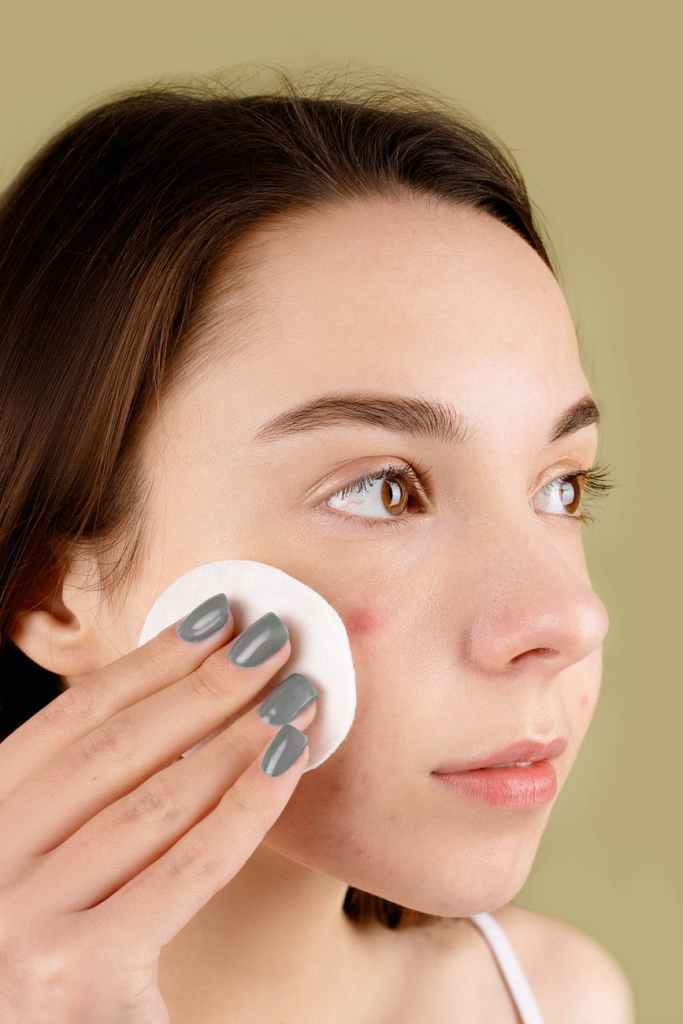
Use cotton balls, cotton swabs, or clean applicators when you smooth on creams or put makeup on. Don’t reuse them — start fresh every time. If you use your hands, wash them first and only use your fingertips. Also, clean your skin with wipes before you put on makeup

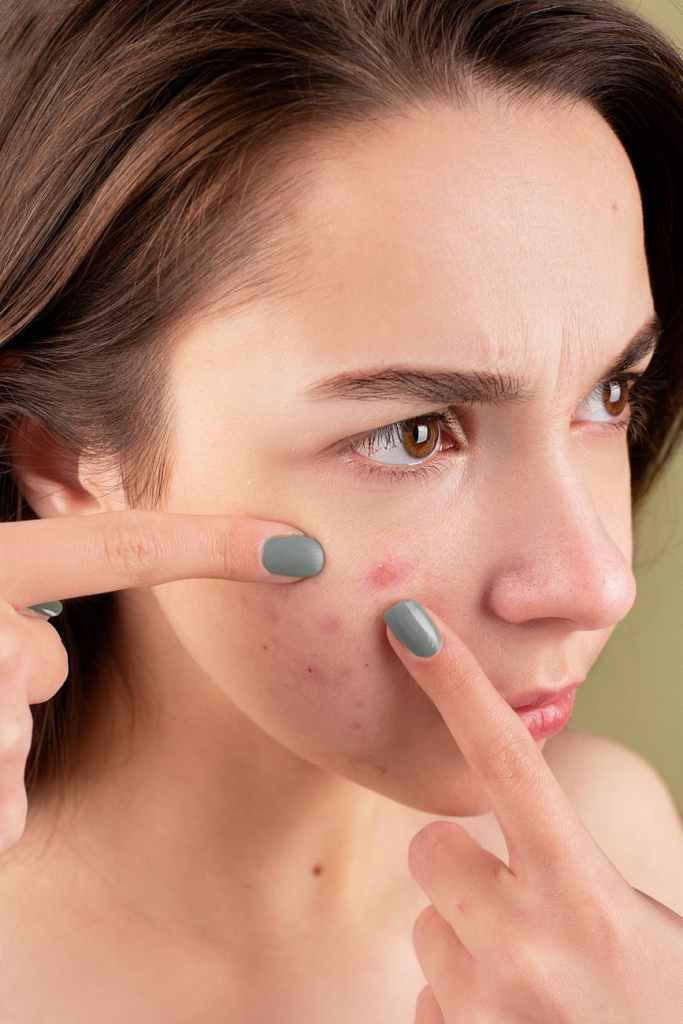
Don’t Pop Your Pimples

It just creates more problems. Squeezing pimples may push infected material into the skin, where it can cause more inflammation and scarring. Resist the temptation so that those spots heal faster and are less likely to scar.

Use Acne Medicine as Directed

There’s no quick fix for acne. Medicines don’t work drastically. Many treatments take weeks of consistent use before your skin improves. Some acne may take up to 6 months to clear up. Afterward, basic skin care — bathing daily and washing your face and hands with mild soap — may not be enough. You may need to keep using your medicine even when your skin clears. Follow your doctor’s directions. Don’t use too much or too little

Look Into All Acne Treatments

If the ones you’re using now don’t seem to be working, see your doctor or dermatologist to talk about other options, you could get a better one There are many types of medicines to help clear your skin. Some need a doctor’s prescription.

Design a site like this with WordPress.com
Get started