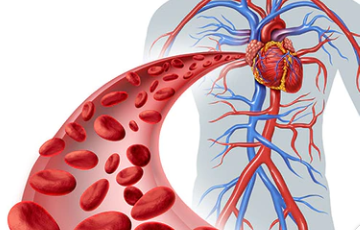
HOW TO IMPROVE BLOOD YOUR CIRCULATION

Why You Need Good Blood Flow

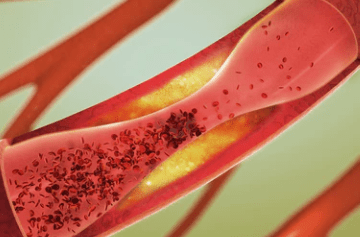
It’s a bit doubtful, but your body holds about 60,000 miles of blood vessels. Along with your heart and other muscles, they make up your circulatory system. This network of roadways carries blood to every part of your body. But when your circulation is poor, it slows or blocks the blood flow. That means the cells in your body is depleted of the oxygen and nutrients they need.

Signs of poor Circulation
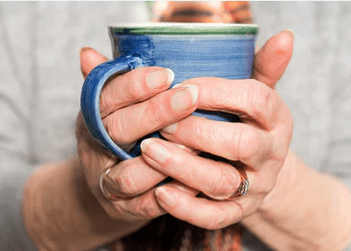
When your limbs can’t get sufficient blood, these happens; your hands or feet may feel cold or numb. If you’re light-skinned, your legs might get a blue tinge. Poor circulation also can dry your skin, turn your nails brittle, and make your hair fall out, especially on your feet and legs. Some men may have trouble getting or keeping an erection. And diabetic scrapes, sores, or wounds tend to heal slower.

Put Out Tobacco

Nicotine is the active ingredient in cigarettes, electronic cigarettes, and smokeless tobacco. It harms the walls of your arteries and thickens your blood so much, it can’t get through. If you smoke, quit. It can be hard to stick with it, consult your doctor for better ways.

Control Your Blood Pressure
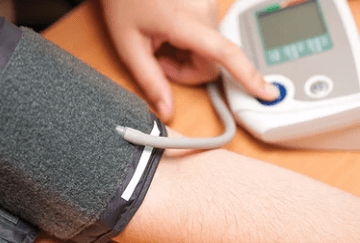
If it’s too high, it can cause arteriosclerosis, a condition that hardens your arteries and chokes off blood flow. Aim for 120 over 80 or less, but ask your doctor about the best numbers for your age and health. Check your reading at least once a month. You can buy a home blood pressure monitor or use your nearest pharmacy.

Gulp it Down
Blood comprises of half water. So you need to stay hydrated to keep it moving. Aim for 8 glasses of water a day. You’ll need to drink more if you exercise or if it’s hot outside.

Stand Up at your desk

Sitting for hours at a time isn’t great for your circulation or your back. It weakens leg muscles and slows the blood flow in your legs, which could cause a clot. If you’re a desk person at work, consider a standing desk instead. It may take a little while to get used to, but getting on your feet works the valves in your leg veins, sending blood up to your heart. 

Relax and Twist
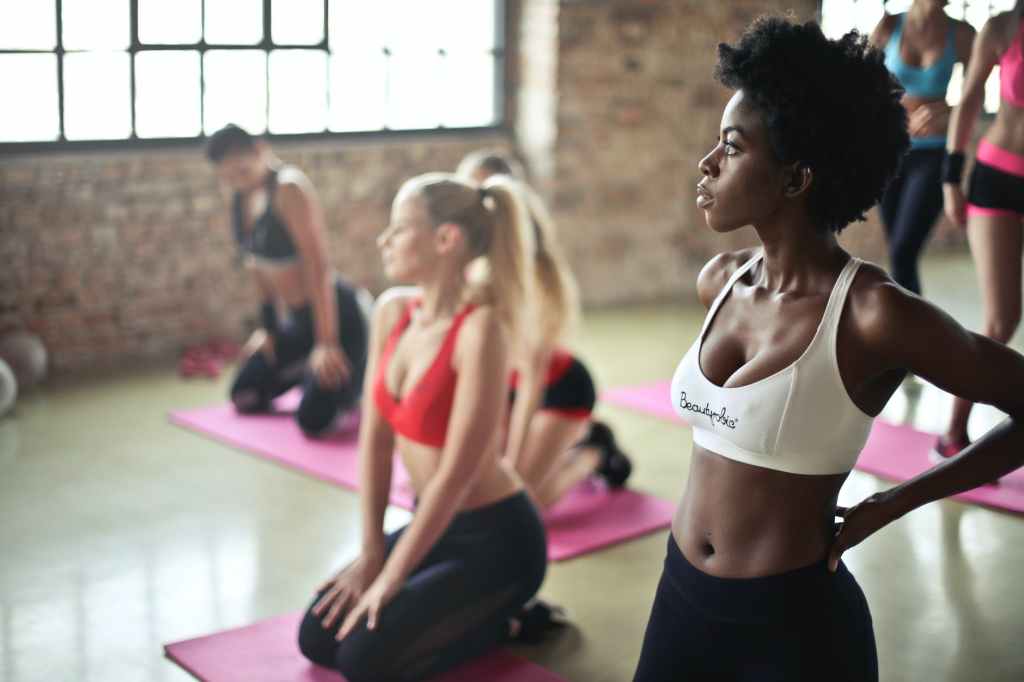
Yoga is a low-impact exercise that can jump-start your blood flow. When you move, it brings oxygen to your cells. When you twist, it sends blood to your organs. And upside-down positions shift blood from the bottom half of your body up to your heart and brain.

Hit the Wall Up(in a good way)
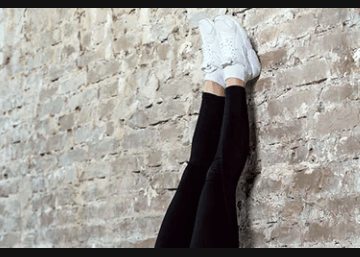
Not a yogi? When your ankles or feet swell, try the legs-up-the-wall yoga pose. Also called viparita karani, it’s an easy way to send your blood in the other direction. Lie on the floor or on a yoga mat, with your left or right shoulder close to the wall. Turn your body so you can put your feet up, and scooch your bottom against the wall. Stretch your arms out on the floor with palms down for balance

Pump it up

Aerobic means “with oxygen.” So when you run, bike, walk, swim, and do similar exercises, you take in more oxygen and move it to your muscles. This gets your blood pumping, makes your heart stronger, and lowers your blood pressure. Set a goal to exercise for 30 minutes, 5 to 7 days a week. Break it up into small chunks if needed. If you walk, know that moderate to intense speeds — at least 3 miles an hour — offer the best health benefits.

Cop a squat
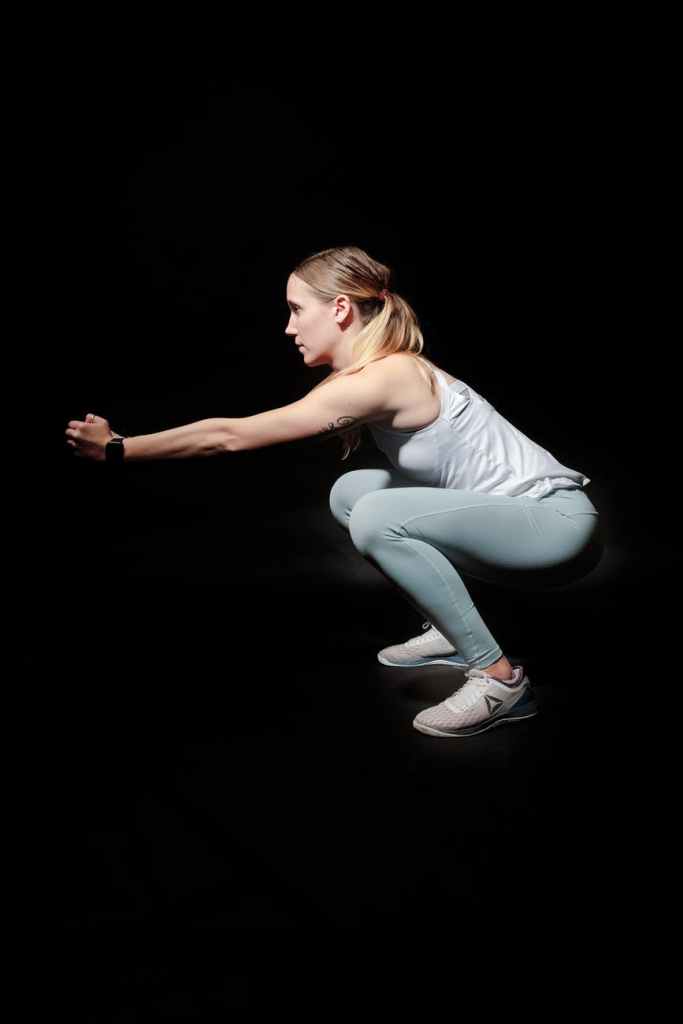
This form of strength training not only gets your blood pumping, it also helps lower your blood sugar and helps with back pain. Start with your feet shoulder-width apart and your arms at your sides. Now slowly bend at your hips and knees, but keep your back straight, like you’re sitting in a chair. As you return to the starting position, bend your arms for balance.

Compress your Socks

Put your wardrobe to work. Compression socks put a bit of squeeze on your legs so your blood doesn’t hang around too long. Instead, it’ll move back up to your heart. Ask your doctor which length and amount of pressure are best for you.

Eat more plants and less meats
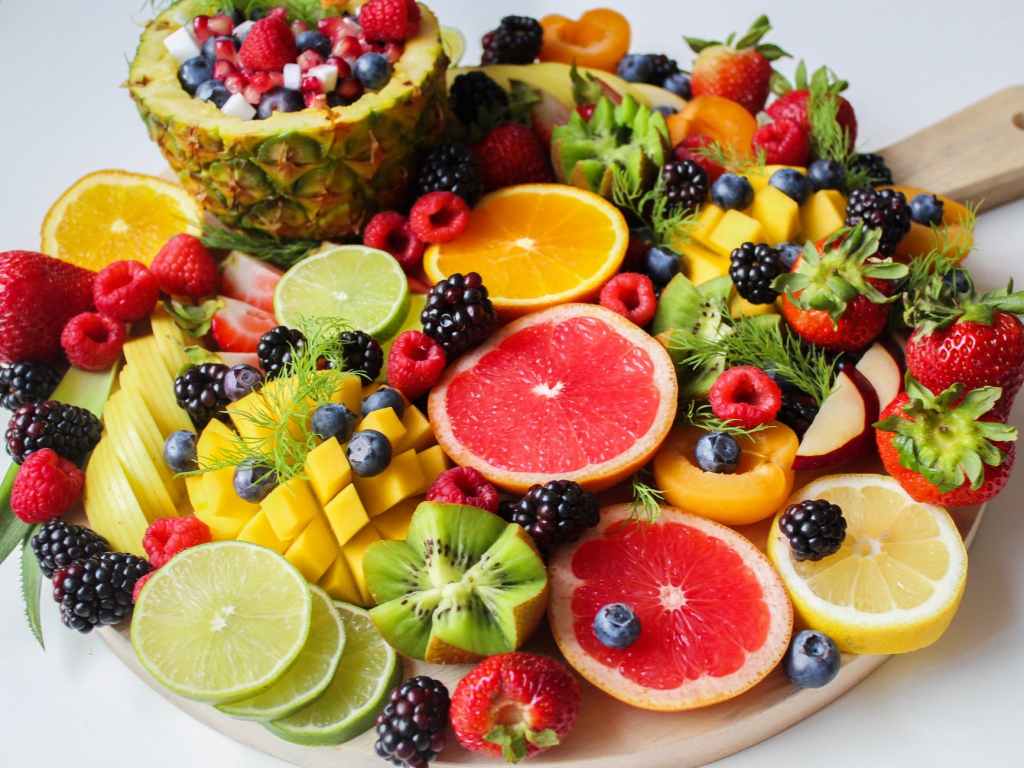
Let’s be Frank ; There’s no downside to a balanced diet. Eat lots of fruits and vegetables. Stay away from saturated fats that can be found in red meat, chicken, cheese, and other animal sources. Steer clear of too much salt. That will help keep your weight in a healthy range and your cholesterol and blood pressure in check — and your arteries clear. 

Brush your Body, not just your Hair
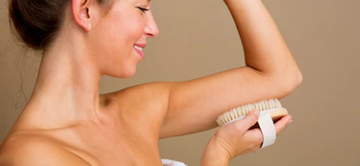
Sweep your blood in the right direction. Take a body brush with stiff, flat bristles and stroke on your dry skin. Start with your feet and work your way up, using long motions on your legs and arms. Make circles on your belly and lower back. Dry brushing also gets rid of dry skin. Do it every day, right before your shower.

Sip or Soak

It’s a temporary fix, but a bath is a great way to kick-start your circulation. Warm water makes your arteries and veins open a bit wider, letting more blood through. Hot water or tea does the trick as well.
Worst Foods for your Eyes

Food and Your Eyes

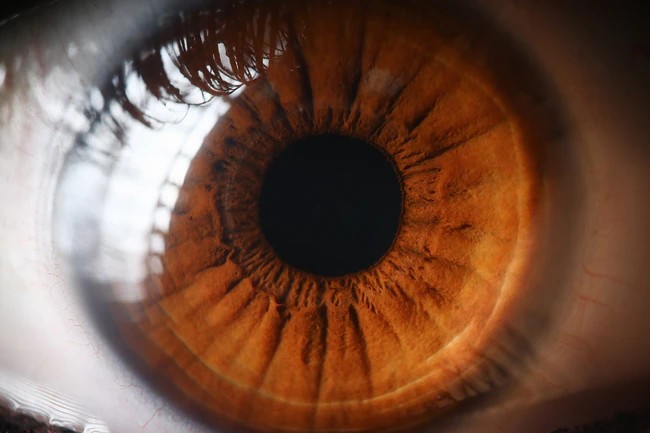
Photo of the eye

About 250 million people around the world have mild to serious vision loss. The truth is the health of your eyes is directly connected to the health of your heart and blood vessels. What you eat and drink can have a lasting effect on both your cardiovascular health and your vision.

Bread and Pasta

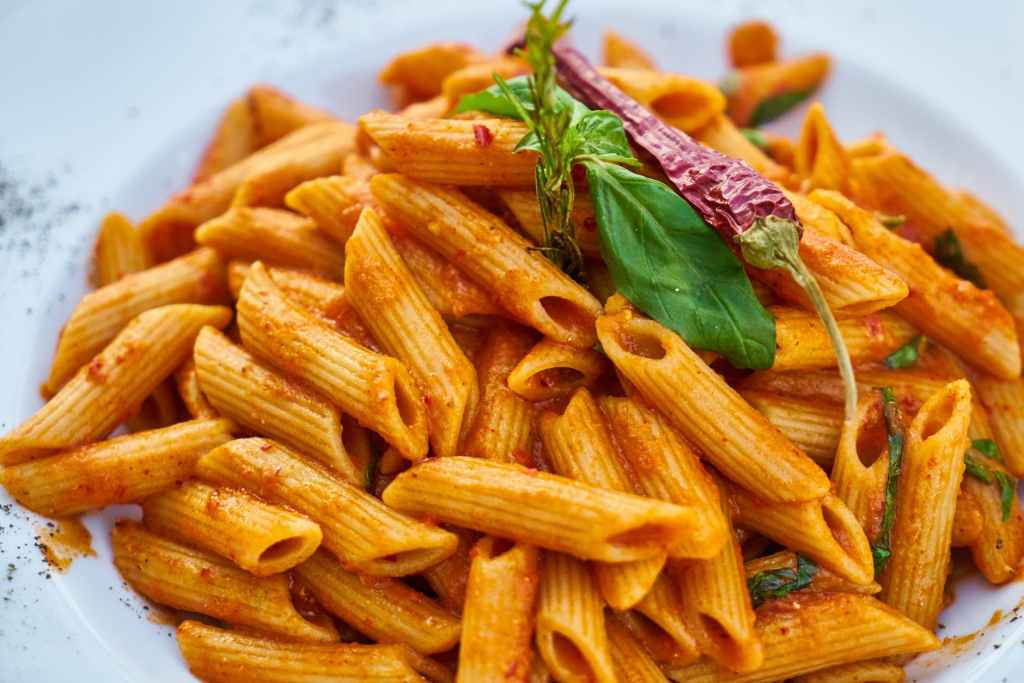
Pasta

Researchers have linked simple carbohydrates, like those found in white bread and pasta, with a higher chance of age-related macular degeneration (AMD), a leading cause of vision loss in older adults. Why?: Your body digests this type of carb quickly. This causes a spike in blood sugar. To prevent this, health experts suggest that you replace white bread and pasta for whole-grain versions.

Processed Meats

photo of deli meats
Processed meat

Hot dogs, bacon, and deli meats are loaded with sodium. This salt spike can eventually lead to high blood pressure (hypertension). In your eyes, this may cause:

  • Hypertensive retinopathy, blood vessel damage that causes blurred vision or vision loss 
  • Choroidopathy, a buildup of fluid beneath the retina
  • Neuropathy, a blockage of blood flow that kills nerves and causes vision loss 

Try to limit your sodium to 2,300 milligrams or less a day.

Fried Foods

photo of french fries

Deep-fried foods cooked in trans fats raise your LDL (“bad”) cholesterol levels and could lead to heart disease, stroke, and type 2 diabetes. They also create molecules called free radicals that can damage and kill cells. These all connects to eye disease — AMD and diabetic retinopathy. Fight back against free radicals by eating fruits and veggies full of vitamin C like citrus fruits, tomatoes, and red bell peppers. 

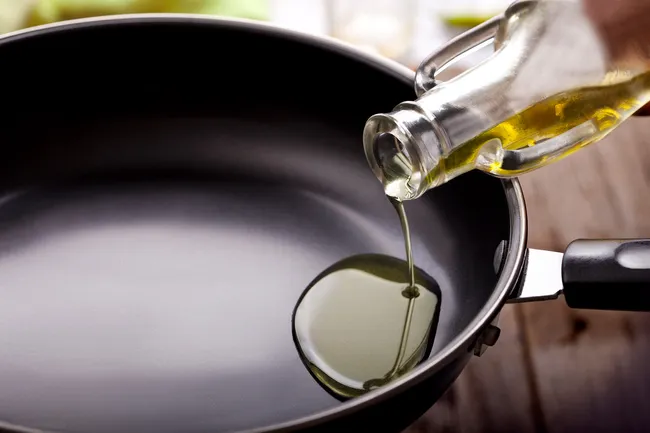
Cooking Oils

photo of oil in pan
Cooking oil.

A landmark study 30 years ago linked too much linoleic acid, a type of unsaturated fat, with a higher chance of AMD. You can find it in these cooking oils:

  • Safflower
  • Sunflower
  • Corn
  • Soybean
  • Sesame

Health experts suggest cooking oils with less than 4 grams of saturated fat per tablespoon. Stay away from ones with hydrogenated oils and trans fats.
 

Margarine

photo of margarine
Margarine

It’s made with vegetable oils, so it has unsaturated “good” fats. All things considered, it may be better for you than butter. But some margarine also has trans fat, which raises your cholesterol levels and the chance of heart disease and eye problems. The more solid the margarine, the more trans fat it has. Instead of a stick, use the spread or liquid kind. You can also look for brands with 0 grams of trans fat on the label.

Ready-to-Eat Foods

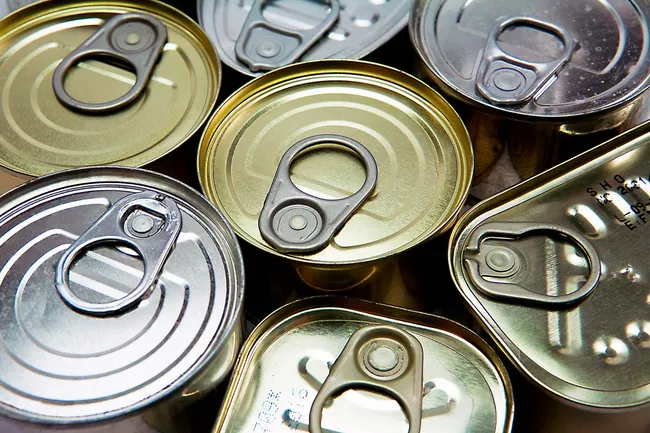
photo of cans

Prepackaged foods — like soup, tomato sauce, and canned goods — often have high amounts of sodium, up to 75% of the suggested amount. Eating less of these foods can lower your chance of high blood pressure and related eye problems. When you shop, look for “low sodium” or “no salt added” versions of your favorite foods. Add your own spices and herbs for a natural flavor boost.

Sugary Drinks

photo of cola

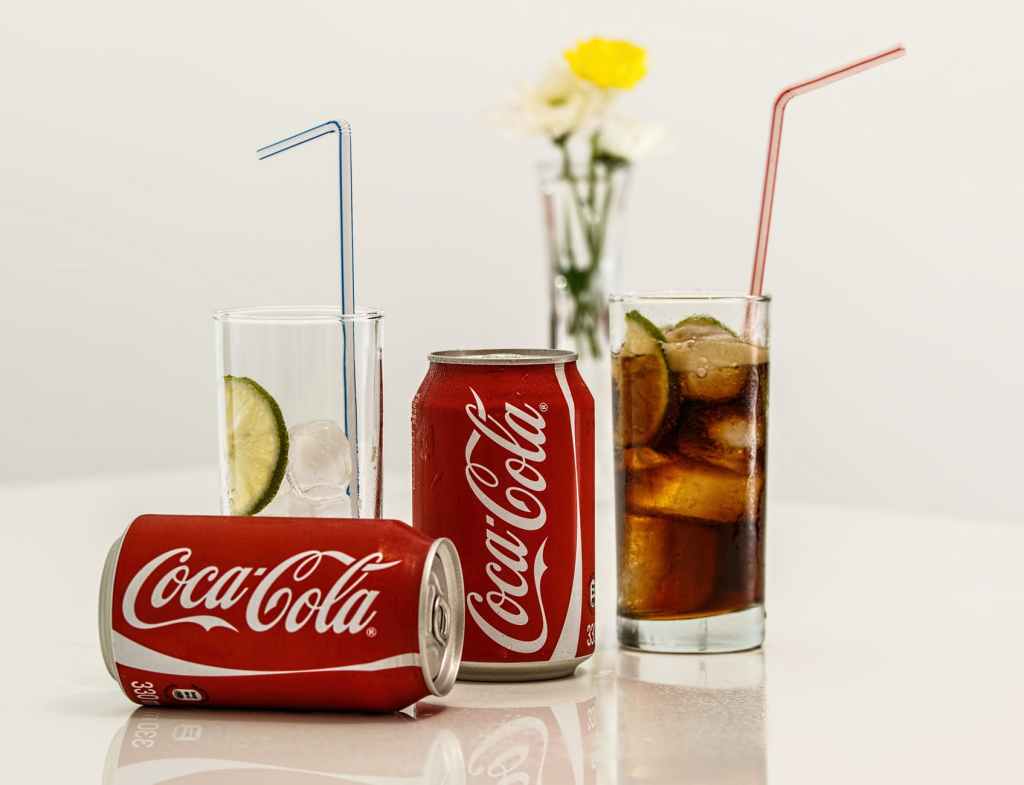
Soda, sports and energy drinks, lemonade, and other sweetened drinks are filled with sugar — sometimes 7 to 10 teaspoons. They’re also the number one source of calories and added sugar in the U.S. diet. All that sugar ups your odds of type 2 diabetes and heart disease. This can lead to related eye conditions like diabetic retinopathy and AMD. Water is your best bet for a healthy drink.

Fish and Shellfish

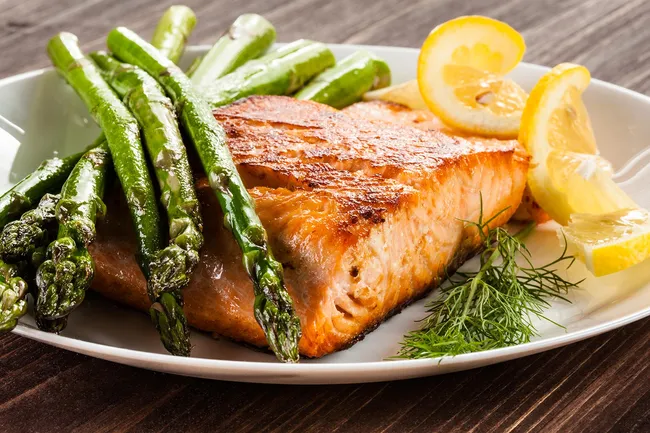
photo of salmon
Fish

Most of us have no reason to worry about the mercury in fish and shellfish in moderation. But at high levels and for certain groups of people, it can cause serious health problems, including eye damage. Health experts say pregnant women, those who are nursing or may become pregnant, and children should stick with 8-12 ounces of fish and shellfish each week.

Alcohol

photo of beer
Alcohol

While not a food, alcohol is something you put into your body that experts link to eye disease. Drinking too much alcohol can lead to cataracts at an earlier age, a common condition that causes a cloudy area in your eye lens, making your vision blur.

Caffeine

photo of woman drinking coffee

The caffeine in your morning cup of coffee or tea may raise the pressure inside your eye, or intraocular pressure (IOP). Studies show this pressure goes up in people with glaucoma or ocular hypertension (OHT) who’ve had caffeine. IOP that’s too high can cause vision loss and blindness.

  • SIGNS YOU ARE IN PERIMENOPAUSE
    Perimenopause is the transitional phase leading up to menopause when a person’s body undergoes hormonal changes. Here are some signs that you may be in perimenopause: It’s important to note that perimenopause can begin in the late 30s or early 40s and last for several years before menopause, which is when menstruation ceases for atContinue reading “SIGNS YOU ARE IN PERIMENOPAUSE”
  • THINGS YOU SHOULD AND SHOULD NOT DO AFTER SEX
    After sex, there are several things you should and shouldn’t do: Things you should do: Things you shouldn’t do: Remember that these guidelines can vary depending on individual preferences and relationship dynamics, so open communication and mutual respect are essential in any sexual relationship.
  • THE AMAZING BENEFITS OF SLEEP
    âś…Sleep is often underestimated in our fast-paced, busy lives, but its significance for our overall health cannot be overstated. In fact, getting quality sleep is just as essential as maintaining a balanced diet and staying physically active. Let’s delve into some of the remarkable benefits of sleep for your health: âś…Enhanced Cognitive Function: Adequate sleepContinue reading “THE AMAZING BENEFITS OF SLEEP”
  • Ways Your Vagina Changes as You Age
    Your Vagina Is Going Through Some Things  1/10  Just like the rest of your body, your vagina ages. Once you get close to menopause, its parts don’t look or function the same they did when you were younger. Dryness, drooping, and a lack of lubrication are all issues at this stage of life. These changesContinue reading “Ways Your Vagina Changes as You Age”
  • Ways Your Penis Changes as You Age
    Your Penis Isn’t What It Used to Be 1/10  Age leaves its mark on every part of your body, including your penis. Starting in your 40s, your testicles produce less testosterone, the hormone that helped your penis grow during puberty and fuels your sex drive. The decline in testosterone, along with other things related toContinue reading “Ways Your Penis Changes as You Age”

SIGNS YOU’RE WEARING A WRONG BRA

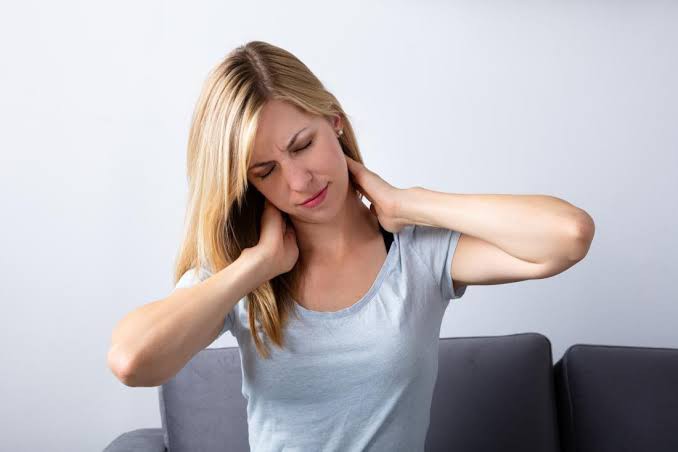
A woman with neck pain

Neck and Back Problems

Experts aren’t settled on whether improper bra fit can cause neck and back pain. Some research say it’s not related, but others show people with large breasts are more likely to wear a bra that doesn’t provide enough support and fitting which may lead to posture problems and pain.

A woman with breast pain

Breast Pain

If your boobs falls out over the top of your cups, are squished into your armpits, or are poked with underwire or metal, they’ll hurt in a hurry, this is an indicator of a wrong bra size.

A woman with painful nipples

Nipple Pain

One of the biggest reasons that nipples hurt? Friction. When your bra is too loose or too tight it rubs you the wrong way and can cause chafed, irritated and sore nipples.

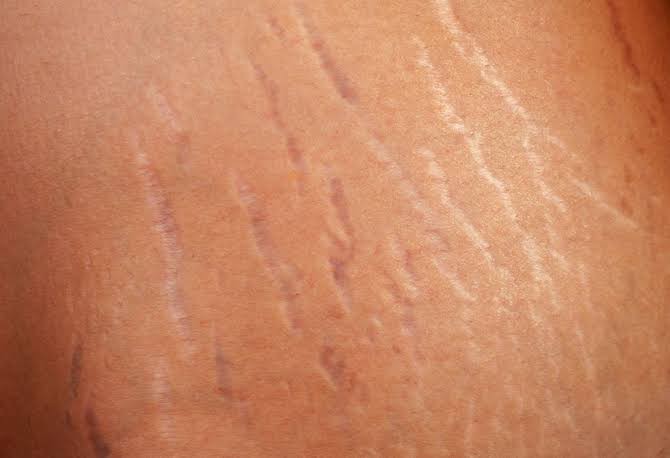
Stretch marks on the breast

Skin Issues

Breasts that aren’t well supported can sag and cause stretch marks on your skin that last a lifetime. You can also get grooves or depressions in your shoulders from the straps digging into the skin over time, basically caused by straps that are too tight.

A woman massaging her temple with headache

Headaches

If you have head pains you can’t explain or relate, your bra might have been the culprit. The tension you get in your muscles from a too tight fitting bra can cause headaches.

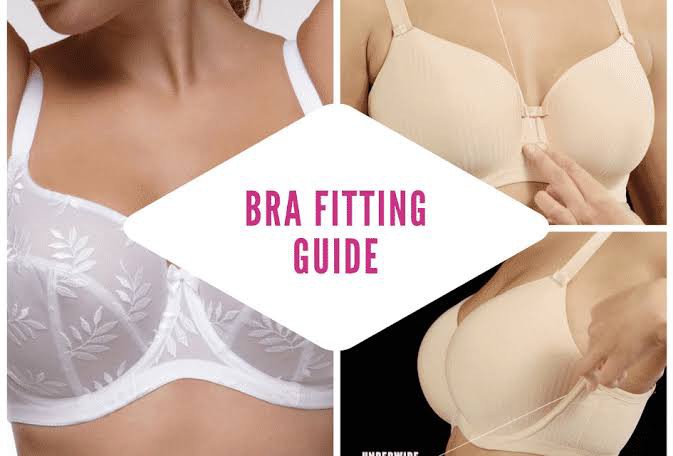
Bra fitting guide

The Best Fit

Key places to focus to ensure a good fit: the cups, front band, and straps. Ensure your band is tight enough that it stays in place without slipping but loose enough to slide a finger between it and your skin easily. Choose straps wide enough that they don’t dig into your shoulders creating depressions, and cups that fully contain your breasts without then falling out.

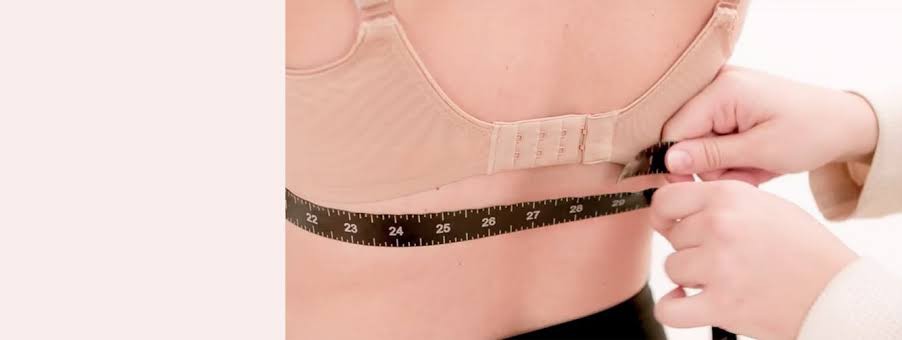
Finding your fittings

How to Find Your Fit

To get your accurate bra size, you can either visit a store that will take your measurements for you, or do it yourself. First, measure your chest just under your breasts and round up to the nearest whole number. This is the number part of your bra size. Be sure to keep the measuring tape below your shoulder blades — this is where the back strap of your bra should be.

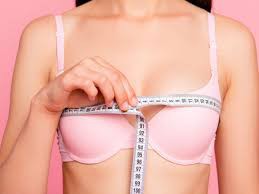
Measuring your cup

Find Your Cup Size

Next measure your chest at your nipples. The difference between this measurement and your chest measurement tells you your cup size: One inch is an A cup, two is B, three is C, and four is D, and so on. If your breasts are different sizes, you can find inserts to help even them out for a better bra fit.

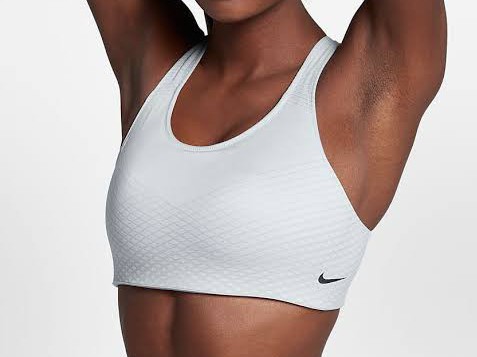
A woman with sport bra

Sports Bra

You need double the breast support during workouts/ exercises: choose a sports bra that stays firm when you jump, twist, and bend. But don’t try to get that support by wearing a bra that’s too tight: This can cause neck pain and compression that leads to numbness in your arms. A bra that rubs will chafe and even cause bleeding, especially around the band. It may help to apply some petroleum jelly or sports lubricant on any problem, irritated or chaffed areas.

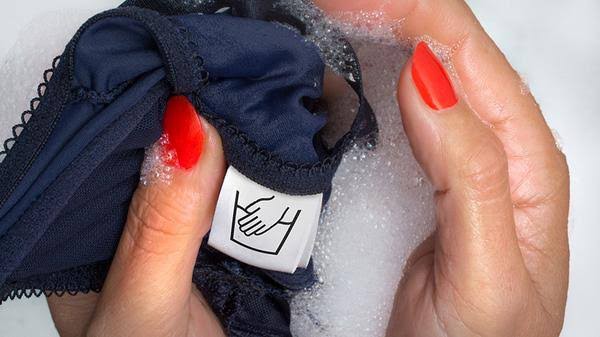
A woman Washing a bra

When to Say Goodbye

Your bra should serve you well for several years, if you care for it well. Wash it about every two to three wears so the fabric doesn’t wear out too quickly. Watch for signs of underwire exposure or stretching that could mess with your fit.

WHAT TO KNOW ABOUT YOUR HEART RATE

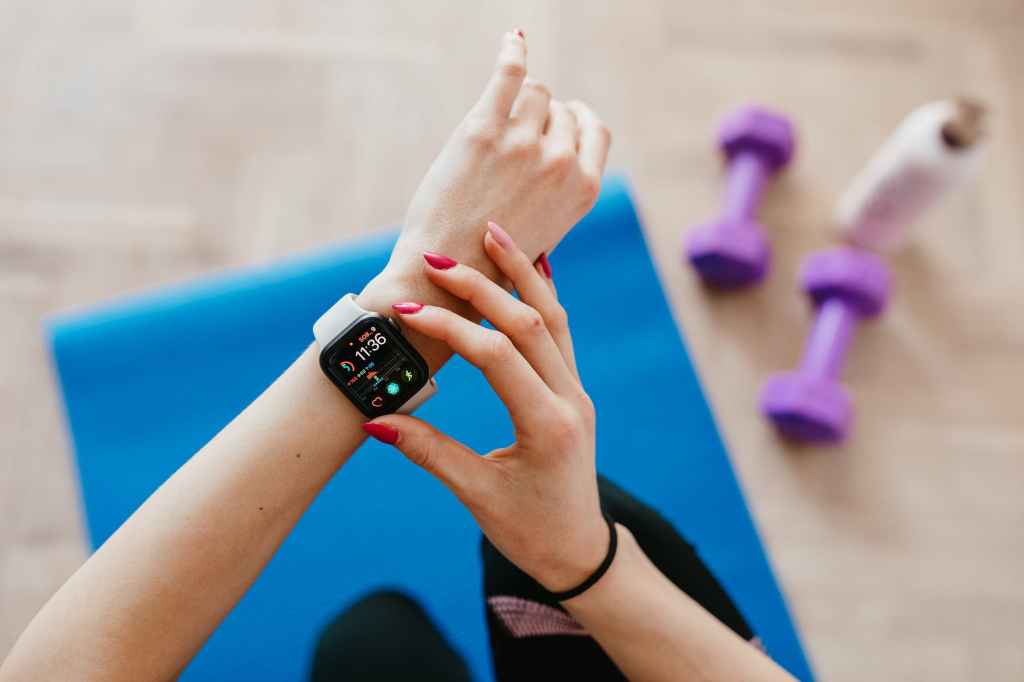
Checking pulse with a smart watch

What is your heart Rate

Your heart rate, or pulse, is refered to the number of times your heart beats in a minute. Everyone’s value is different, and it changes as you get older. Understanding your heart rate and what’s a healthy and normal one for you is an important part of taking care of yourself.

Your Resting Heart Rate

A woman reading

This is the number of times your heart beats in a minute when you’re not physically active and your heart doesn’t have to work hard to pump blood through your body. Some medications like beta-blockers can affect your heart rate by slowing your heartbeat and lower your resting heart rate.

A Healthy Resting Heart

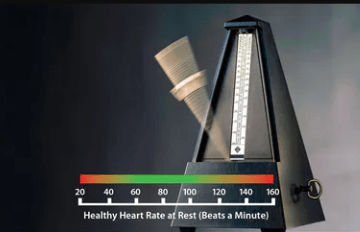
Metronome

A good number of healthy adults should have a resting heart rate between 60 and 100 beats a minute. In general, the more physically fit  you are, the lower your heart rate will be. Athletes can have a normal resting heart rate in the 40s. A healthy heart rate is an indicator that your heart isn’t having to work too hard to circulate blood.

How to check Pulse

Checking pulse with the finger

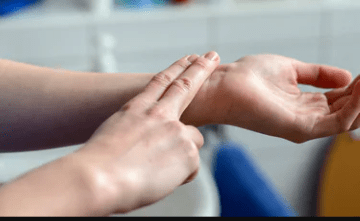
You can feel your heart rate by placing your index and middle fingers on the inside of your wrist, the inside of your elbow, the side of your neck, or on the top of your foot. Once you find it, count how many beats you feel in 15 seconds, and multiply that number by 4 or count how many times it beats in 60 seconds.

How to Lower It

A woman meditating

This can be as easy as simply relaxing — sit down, have a glass of water, or just take a few deep breaths. A healthier lifestyle, which is not limited to getting at least 30 minutes of exercise a day,  eating healthier, watching your weight, and cutting down alcohol, caffeine, and smoking can help, too. If that’s not enough, you might try to find ways to better handle stress, like tai chi, yoga, meditation, or mindfulness. You can equally seek for medical attention if your heart keeps racing.

Arrhythmia; A problem with your heart Rate

Arrhythmia

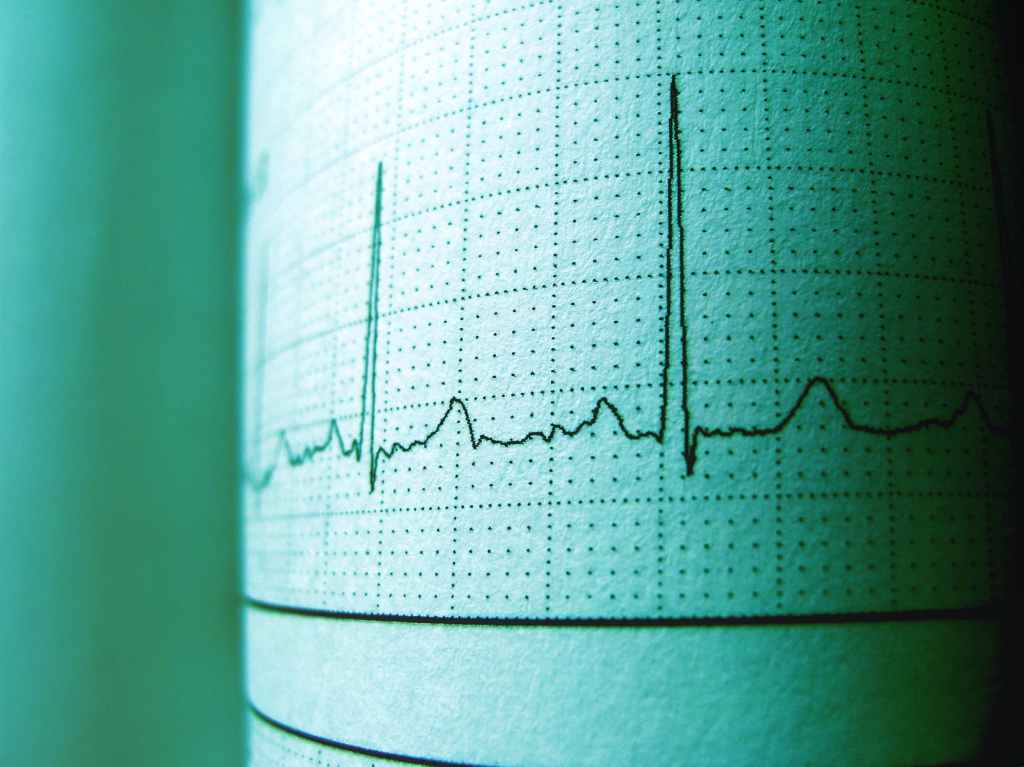
When your heart’s beating rhythm is off, that’s called an arrhythmia.  There are four major types:

• Tachycardia: When your heart beats too fast, usually more than 100 beats a minute

• Bradycardia: When your heart beats too slowly, below 60 beats a minute (unless you’re an athlete)

• Supraventricular arrhythmia: An arrhythmia that starts in your heart’s upper chambers 

• Ventricular arrhythmia: An arrhythmia that originates in your heart’s lower chambers.

Causes of Arrythmia

There are Several factors that can lead to arrythmia. These include clogged or hardened arteries, high blood pressure, or issues with your heart’s valves. It also can be the result of trauma from a heart attack. It can happen as a prognosis of a heart surgery, and if your electrolytes are out of balance. For example, if your body has too much or too little pottasium.

Elevated Heart Rate; Tachycardia

Tachycardia factor

A resting heart rate higher than 100 beats per minute happens most often in kids. It’s also more common in women. The basic causes of a rapid heart rate include stress, smoking, or drinking too much alcohol, coffee, or other caffeinated drinks.

Low Heart Rate; Bradycardia

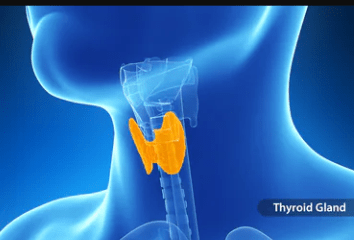
Thyroid gland

A heart rate lower than 60 beats per minute can be triggered by an infection, a problem with your thyroid gland (hypothyroidism), a chemical imbalance in your blood, breathing problems while you sleep (obstructive sleep apnea), or inflammatory diseases like lupus. It also can be caused by a problem with how your heart developed before you were born.

Heart Rate and Exercise

A man exercising

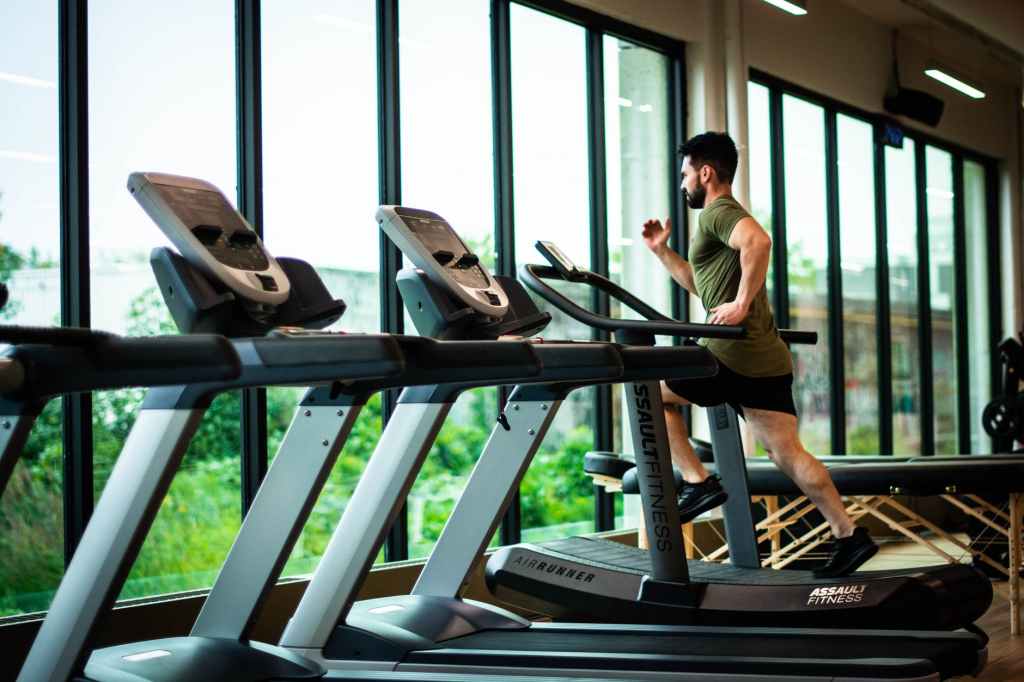
When you work out, your heart rate will go up, but not too much. To find the right number, start by figuring out your maximum rate: Subtract your age from 220. If you’re just starting a fitness regimen, your target should be about 50% of your maximum heart rate. If you already exercise regularly, it might be closer to 85%. Some devices and machines, like a treadmill, keep track of your heart rate. You can equally track and record your readings by using a smart watch linked to your mobile device during exercise.

Other Factors

A man standing from a chair

External factors, like warm weather or humidity, can make your heart pump a little more blood. Extreme emotional highs and lows or feeling anxious can spike your heart rate, too. Standing up from a sitting position can also cause an increase for a few seconds.

When you should See a Professional

A nurse

Report to your health Care provider if you’re taking a medication that causes you to have fainting spells or dizziness. Also reach out if you notice that you often have a racing heartbeat or a low pulse. Depending on what’s going on with you, your consultant might change your medications, recommend a pacemaker to get your heart beating in the right rhythm, or suggest other things to prevent or manage your condition.

  • SIGNS YOU ARE IN PERIMENOPAUSE
    Perimenopause is the transitional phase leading up to menopause when a person’s body undergoes hormonal changes. Here are some signs that you may be in perimenopause: It’s important to note that perimenopause can begin in the late 30s or early 40s and last for several years before menopause, which is when menstruation ceases for atContinue reading “SIGNS YOU ARE IN PERIMENOPAUSE”
  • THINGS YOU SHOULD AND SHOULD NOT DO AFTER SEX
    After sex, there are several things you should and shouldn’t do: Things you should do: Things you shouldn’t do: Remember that these guidelines can vary depending on individual preferences and relationship dynamics, so open communication and mutual respect are essential in any sexual relationship.
  • THE AMAZING BENEFITS OF SLEEP
    âś…Sleep is often underestimated in our fast-paced, busy lives, but its significance for our overall health cannot be overstated. In fact, getting quality sleep is just as essential as maintaining a balanced diet and staying physically active. Let’s delve into some of the remarkable benefits of sleep for your health: âś…Enhanced Cognitive Function: Adequate sleepContinue reading “THE AMAZING BENEFITS OF SLEEP”
  • Ways Your Vagina Changes as You Age
    Your Vagina Is Going Through Some Things  1/10  Just like the rest of your body, your vagina ages. Once you get close to menopause, its parts don’t look or function the same they did when you were younger. Dryness, drooping, and a lack of lubrication are all issues at this stage of life. These changesContinue reading “Ways Your Vagina Changes as You Age”
  • Ways Your Penis Changes as You Age
    Your Penis Isn’t What It Used to Be 1/10  Age leaves its mark on every part of your body, including your penis. Starting in your 40s, your testicles produce less testosterone, the hormone that helped your penis grow during puberty and fuels your sex drive. The decline in testosterone, along with other things related toContinue reading “Ways Your Penis Changes as You Age”

You owe yourself a debt of being Healthy đź’Ş

Nurse Cynosure đź’Š

Worst Foods for Digestion

Fried food

FRIED FOODS

Fried foods are highly fatty, and contains bad cholesterol, typical examples are rich sauces, fatty cuts of meats and desserts that are highly creamy or buttered. This can cause diarrhea or constipation.

Choose roasted or baked foods and light sauces that is enriched with vegetables instead of butter or cream.

CITRUS FRUITS

Citrus fruits

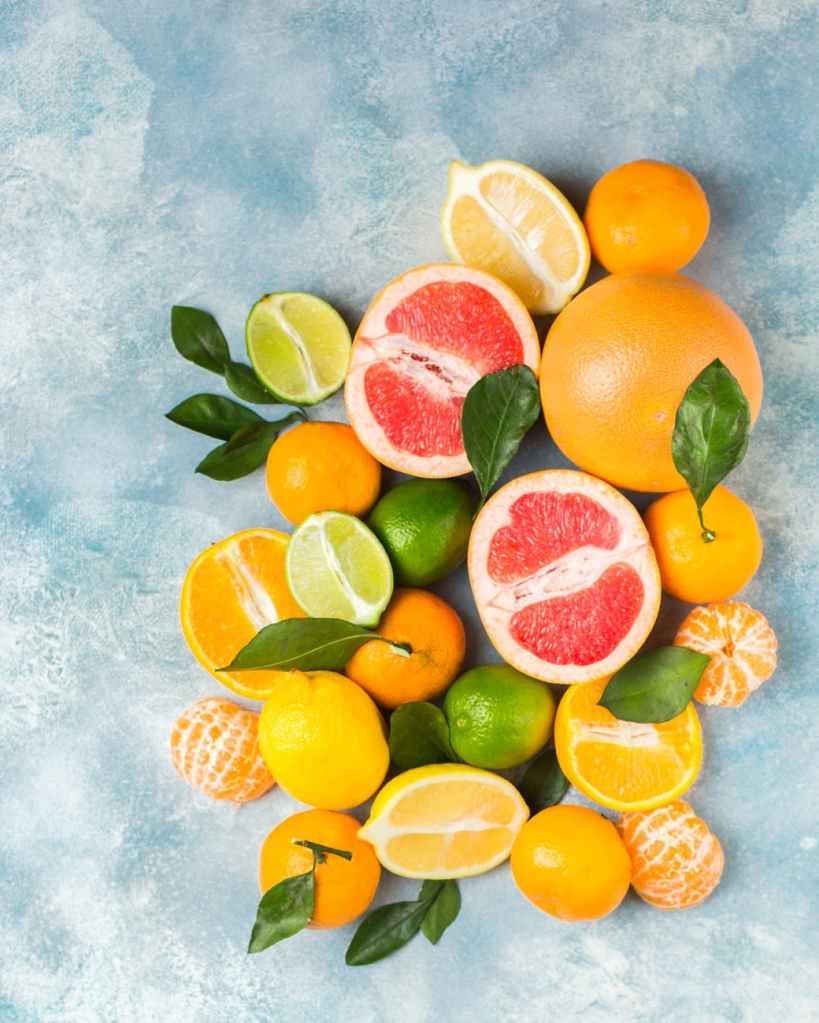
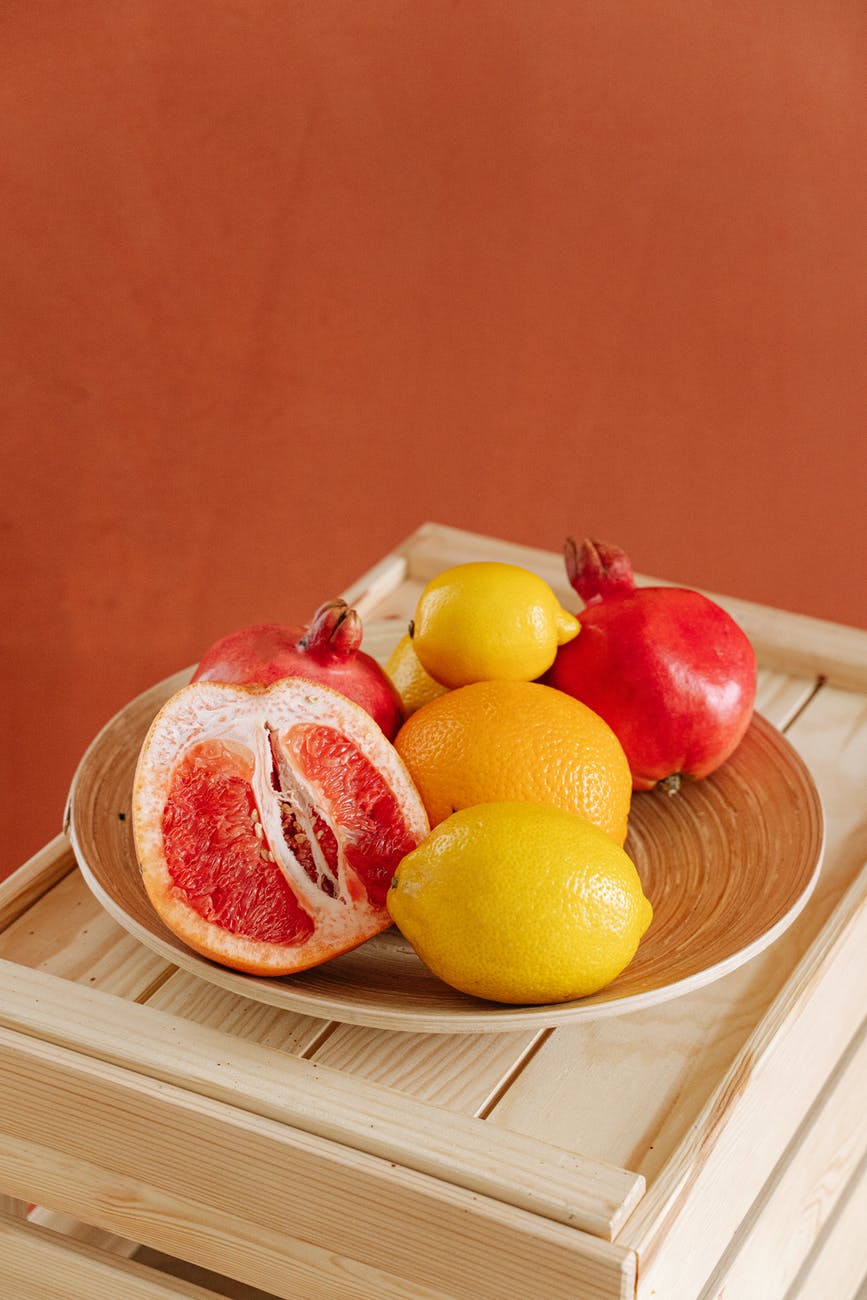
Citrus fruits are high in fiber and can give some folks an upset stomach. Go with caution on oranges, grapefruit, and other citrus fruits if your belly doesn’t feel right or tolerate it.

BEANS

Beans meal

Beans

No doubt beans is loaded with healthy protein and fiber, but they also have hard-to-digest sugars that causes gas and cramping. Your body doesn’t have enzymes that can break them these sugars down, so the Bacteria in your gut do the work instead, giving off gas in the process, some individuals belch as a result of this.

Try this tip to get rid of some of the troublesome sugars: Soak dried beans for at least 4 hours and pour off the water before cooking, but this may not be necessary if your body tolerates it.

PEPPERMINT

peppermint sticks

It can relax the muscle at the top of the stomach, which lets food move back into your esophagus, a process called reflux. That can cause heartburn as experienced by some folks. Other foods include chocolate or coffee.

Professionals advice that you can lower the pressure that pushes the food back up if you lose extra weight, eat smaller portions, and don’t lie down after eating.

Also, identify what foods give you problems, so you can avoid them.

SPICY FOODS

A bowl of spicy food

Some people get indigestion or heartburn after immediately eating spicy foods, mostly peppering foods, especially when it’s a large meal.
Studies suggest the hot ingredient in chili peppers, called capsaicin, may be a culprit. Eat in moderation
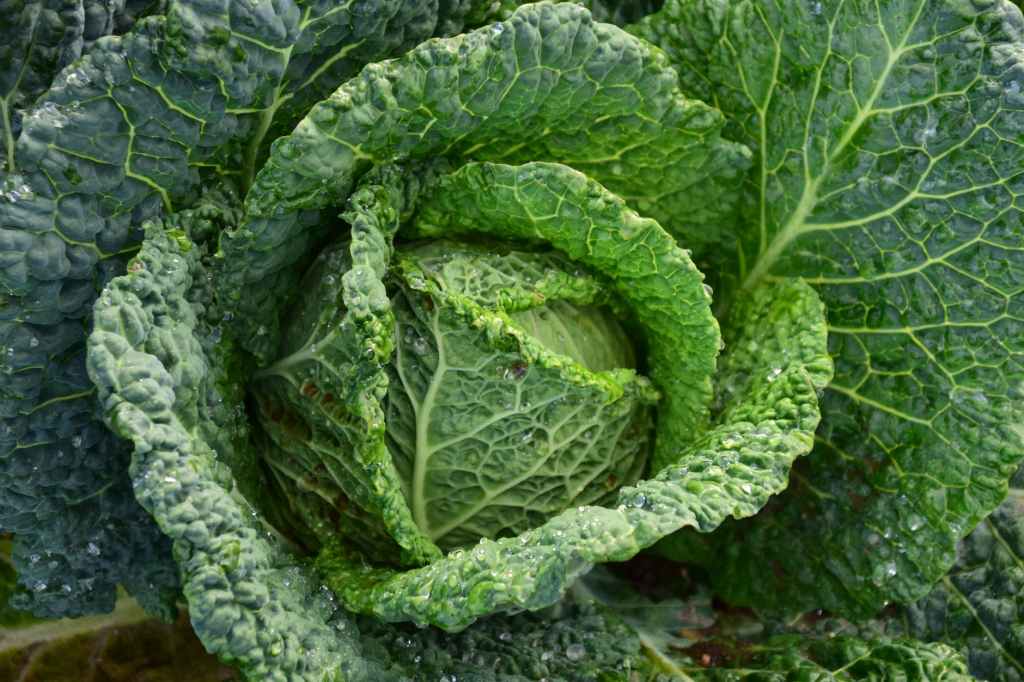
CABBAGE AND IT’S LIKES

Cabbage

Cruciferous vegetables, like broccoli and cabbage, have the same sugars that make beans gassy. Their high fiber can also make them hard to digest. To make it easier for your stomach you should cook them instead of eating raw.

TOO MUCH FIBRE

Assorted bread rolls

Foods high in this healthy carb, like whole grains and vegetables, are good for digestion. But if you start eating lots of them, your digestive system may have trouble adjusting. The result: gas and bloating. So step up the amount of fiber you eat but gradually

FRUCTOSE

Soda drinks

Foods sweetened with this — including sodas, candy, fruit juice, and pastries — are hard for some people to digest. That can cause diarrhea, bloating, and cramps.

DIARY PRODUCTS

Eggs

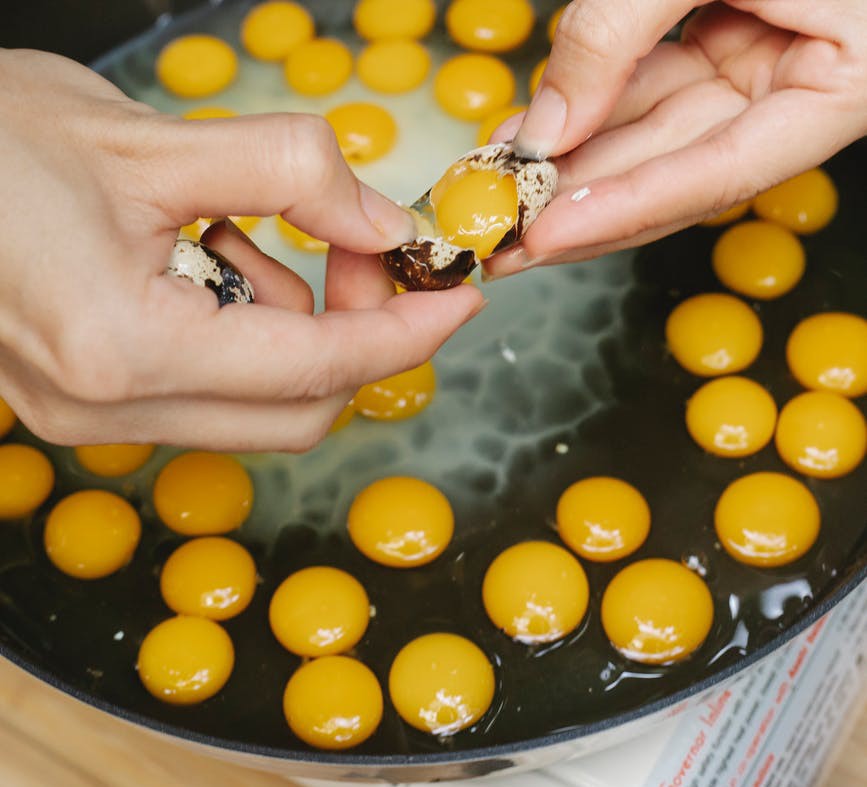
If they trigger diarrhea, bloating, and gas, you may be “lactose intolerant.” It means you don’t have an enzyme that digests a sugar in milk or eggs and other forms of dairy. 

Avoid those foods or try an over-the-counter drop or pill that has the missing enzyme, be sure to check labels before purchasing…

  • SIGNS YOU ARE IN PERIMENOPAUSE
    Perimenopause is the transitional phase leading up to menopause when a person’s body undergoes hormonal changes. Here are some signs that you may be in perimenopause: It’s important to note that perimenopause can begin in the late 30s or early 40s and last for several years before menopause, which is when menstruation ceases for atContinue reading “SIGNS YOU ARE IN PERIMENOPAUSE”
  • THINGS YOU SHOULD AND SHOULD NOT DO AFTER SEX
    After sex, there are several things you should and shouldn’t do: Things you should do: Things you shouldn’t do: Remember that these guidelines can vary depending on individual preferences and relationship dynamics, so open communication and mutual respect are essential in any sexual relationship.
  • THE AMAZING BENEFITS OF SLEEP
    âś…Sleep is often underestimated in our fast-paced, busy lives, but its significance for our overall health cannot be overstated. In fact, getting quality sleep is just as essential as maintaining a balanced diet and staying physically active. Let’s delve into some of the remarkable benefits of sleep for your health: âś…Enhanced Cognitive Function: Adequate sleepContinue reading “THE AMAZING BENEFITS OF SLEEP”
  • Ways Your Vagina Changes as You Age
    Your Vagina Is Going Through Some Things  1/10  Just like the rest of your body, your vagina ages. Once you get close to menopause, its parts don’t look or function the same they did when you were younger. Dryness, drooping, and a lack of lubrication are all issues at this stage of life. These changesContinue reading “Ways Your Vagina Changes as You Age”
  • Ways Your Penis Changes as You Age
    Your Penis Isn’t What It Used to Be 1/10  Age leaves its mark on every part of your body, including your penis. Starting in your 40s, your testicles produce less testosterone, the hormone that helped your penis grow during puberty and fuels your sex drive. The decline in testosterone, along with other things related toContinue reading “Ways Your Penis Changes as You Age”

Misconceptions about High Blood Pressure

High Blood Pressure is a condition that raises so much concern and worries especially when a family member, loved ones, friends or oneself is affected and it is not absurd for one to be worried. If high blood pressure is left untreated, it could result in some complications which includes heart diseases and stroke. Prompt information and early diagnosis are key for prevention and better prognosis of hypertension. This article will give you an insight on the misconceptions of high blood pressure.

A fair blood pressure reading

First misconception of High Blood Pressure: High blood pressure isn’t a big deal.

Unfortunately, people usually have high blood pressure unknown to them as this doesn’t have an early sign or symptoms. When the pressure of Blood exerted on the blood vessels are extremely high, they become stiffened and this causes problems. In turn this leads to damages on the blood vessels, heart, kidneys and other vital organs. This damage over time can lead to death which explains why hypertension is referred to as the silent killer. So we the professionals agree that hypertension is a Big Deal, maybe not so big if diagnosed on time but if left untreated, it is definitely a big Deal.

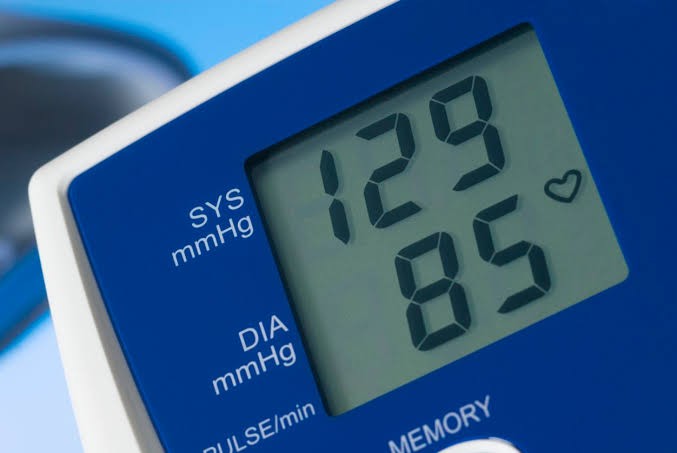
To understand the numbers, normal blood pressure is less than 120 over less than 80 (<120/<80); elevated is 120-129 over less than 80 (120-129/<80); hypertension stage 1 is 130-139 or 80-89; and hypertension stage 2 is greater than 140 or greater than 90 (≥140 or ≥90).

Second Misconception Is That; High blood pressure can’t be prevented.

This belief is usually from those whose family history is positive for high Blood Pressure, or those who belong to the high risks group be it age, race or body weight. Such misconceptions will be cleared here, even if you belong to the high risk group, there are some steps you can take to prevent high blood pressure

  • Keep your weight at a healthy level. You can accomplish this by a combination of healthy eating which includes fruits and vegetables and regular exercise.
  • Eat a healthy diet. This includes eating only the amount of food your body needs and choosing foods high in nutrients and low in fat, sugar, and salt.
  • Limit how much salt you eat. Most of the sodium you eat is in the form of salt. It may be salt that you add at the table or salt added to processed foods you consume. Always check the food labels to be sure of the quantity of sodium in it.
  • Limit how much alcohol you drink.
  • Don’t smoke tobacco, and minimize your exposure to secondhand smoke.
  • Get regular exercise. Try to get at least 30 minutes of activity each day, at least five days a week. Exercise relieves stress and helps you control your weight. It could be walks, swimming, yoga etc..
  • Don’t let stress build up. The chemicals your body makes in response to stress make your heart beat harder and faster and your blood vessels tighten. All this makes blood pressure higher.
  • Ensure you take enough rest and sleep

Third Misconception About High Blood Pressure: It’s OK As Long As One Number Is Normal

A correct blood pressure reading comprises of the numerator and denominator, the numerator is called the systolic blood pressure and it is the pressure of the blood exerted through the blood vessels while the heart is beating . The normal value of the systolic ranges from 119-130. Below 119 is indicative of low blood pressure while above 130 is Indicative of high blood pressure.

The denominator is refered to as the Diastolic blood pressure and it is the pressure of the blood through the blood vessels in-between heart beats when the heart is at rest. The normal value of the Diastolic Blood Pressure ranges between 70 and 89, above 89 is indicative of hypertension.

Blood pressure could vary throughout the day depending on your activity. It also changes over time . Systolic blood pressure tends to increase with age while diastolic blood pressure reduces with age.

Do not disregard any blood pressure reading that has been consistently high, see your doctor or health care provider in order to sort out the management approach and also desist from self medication.

Fourth Misconception About High Blood Pressure Is About Treatment

It is true that the treatment of hypertension could include some food restrictions, also the drugs could cause some annoying side effects.  It is also true that it may take some time to develop a treatment plan that works best for you, because high blood pressure often has several underlying causes. In many cases, the specific cause of high blood pressure may not be idiopathic.

The treatment plan for hypertension is likely to include the following strategies

  • The DASH eating plan. The Dietary Approaches to Stop Hypertension (DASH) plan includes eating less fat and saturated fat as well as eating more fresh fruits and vegetables and whole-grain foods. Limiting use of salt and alcohol can also help lower your high blood pressure. You can be refered to a dietitian who can help you find ways to meet these goals without giving up your favorite foods or great flavor.
  • Weight Control. Being overweight increases your risk of developing high blood pressure. Following the DASH eating plan and getting regular exercise can help you lose weight. Your doctor can equally refer you to a professional to assist you meet your weight lost goal.
  • Decreasing the amount of alcohol you consume. Alcohol may increase your blood pressure, as well, especially if you are drinking too much. Cutting back or abstaining might be essential in reducing your blood pressure or keeping it under control
  • Quit smoking. Tobacco smoke can make blood pressure rise. It can also directly damage your heart and blood vessels. Talk with your health care provider about ways to quit.
  • Medication. Your doctor is likely to prescribe medication to control your high blood pressure. It’s common to take more than one drug to treat high blood pressure. Your doctor may ask you to switch drugs or change the dosage until you find a combination that works best to control high blood pressure with the fewest side effects for you. Medications used to treat high blood pressure include:
  • Diuretics to reduce the amount of fluid in your blood by helping your body rid itself of extra sodium
  • ACE inhibitors, alpha-blockers, and calcium channel blockers to help keep your blood vessels from tightening
  • Beta-blockers to prevent your body from making the hormone adrenaline; adrenaline is a stress hormone that makes your heart beat harder and faster. It also makes your blood vessels tighten. All of this makes blood pressure higher. The medication slows your heart rate, decreasing your blood pressure.

Fifth Misconception About High Blood Pressure: Treatment Doesn’t Work

You must be actively involved in your management plan with your health care provider, this will Maximize the outcome of the plan which could include;

  • Checking your blood pressure as often as recommended by your doctor.
  • Following your treatment plan consistently. Let your doctor know right away if you have problems with parts of the plan. Your doctor may refer you to other health care professionals who can help.
  • Seeing your doctor as often as requested. Bring your blood pressure records to show your doctor how the plan is working.
  • Asking your doctor or pharmacist for information about medication side effects. Know when to call your doctor if there is a problem.
  • Reducing how much salt you take in.
  • Having adequate rest and sleep.

How to avoid infectious diseases

Eat Well

You need a strong immune system to fight off infectious diseases. A balanced diet that’s high in nutrients and low in processed foods and red meat can keep your immune system at its best. Good eating habits can help you stay a healthy weight. That helps your immune system, too.

Get Good sleep đź’¤

This can help keep your immune system strong. While you sleep, your body makes proteins called cytokines, which help you fight inflammation and illness. Create a nighttime routine that helps you get some ZZZs. A good night’s sleep after getting a vaccine helps it work better for you.

Get Vaccinated

A lady getting vaccinated

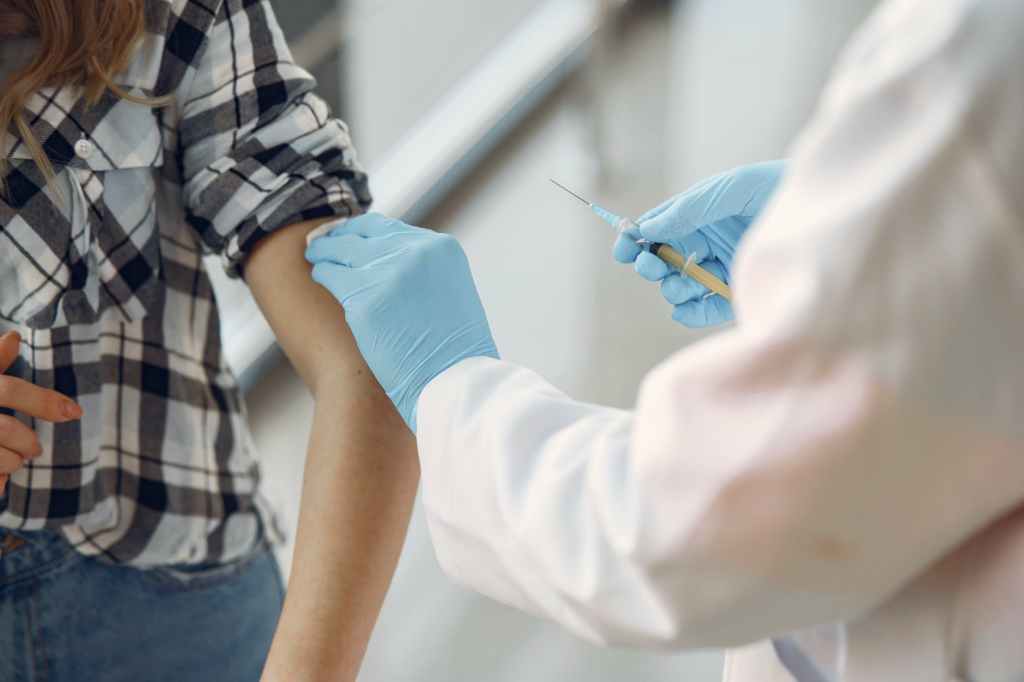
Vaccines play an important role in keeping infectious diseases like hepatitis A and B, polio, mumps, measles, whooping cough, and the flu under control. Check with your doctor to make sure you and your family members are up to date on all your shots.

CLEAN AND DISINFECT

Cleaning surfaces

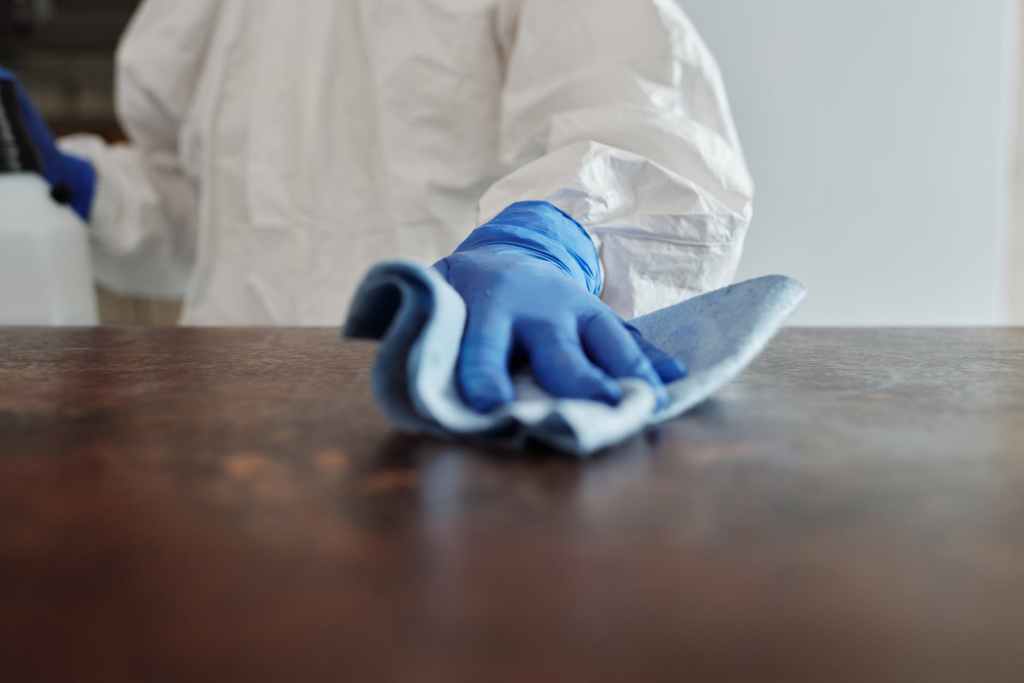
Keep busy areas and rooms like kitchens and bathrooms clean. They’re more likely to have germs or bacteria. Wash counters first with soap and water, then clean with disinfecting wipes, not antibacterial wipes. These products are good for your hands, but they don’t kill viruses. Always wear gloves when you use a disinfectant, and wash your hands afterward.

WASH YOUR HANDS 👏

Hand washing

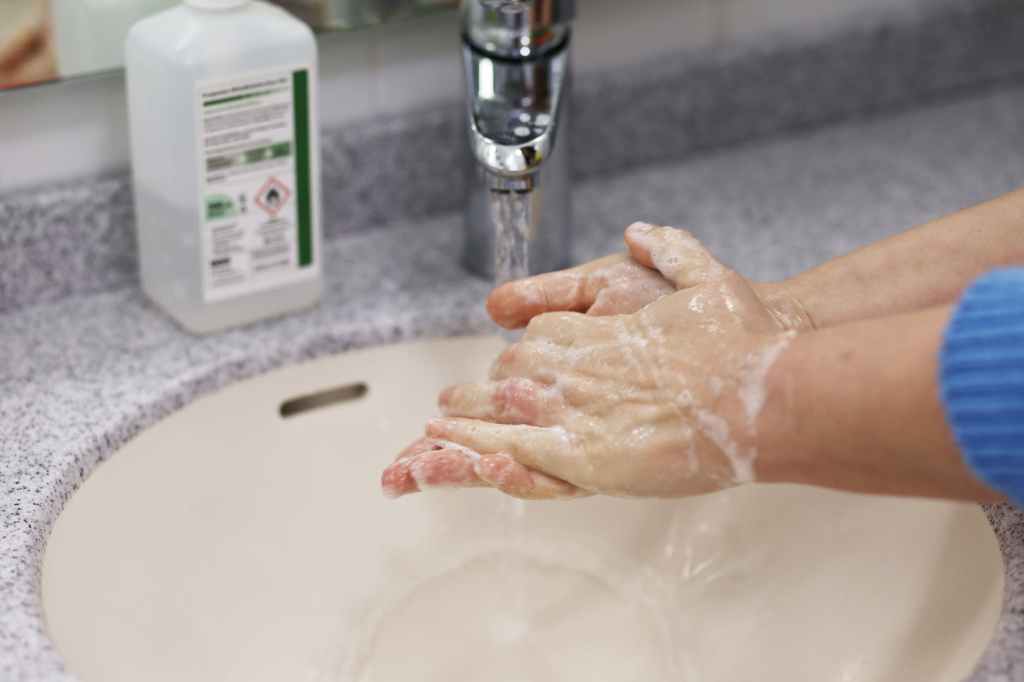
You can pick up germs just by touching unclean surfaces or things commonly touched by other people, like doorknobs, gas pumps, counters, and touch screens. You get the germs on your hands and then touch your face. You can avoid this by washing your hands with soap and water often. Just soap up your hands and rub them together under warm water for about 20 seconds — long enough to sing “Happy Birthday” two times — then dry them with a clean towel or let them air dry.

PRACTICE SAFE SEX

A Man and woman with a condom

Not having sex is the only sure way to prevent the spread of sexually transmitted diseases. But you can do a few things to keep yourself safe if you’re sexually active. You and your partner should both get tested to make sure you don’t have HIV or other sexually transmitted diseases or infections. Only have sex with that partner. If you have sex with someone else, make sure to use a condom.

USE A HAND SANITIZER

Applying hand sanitizer

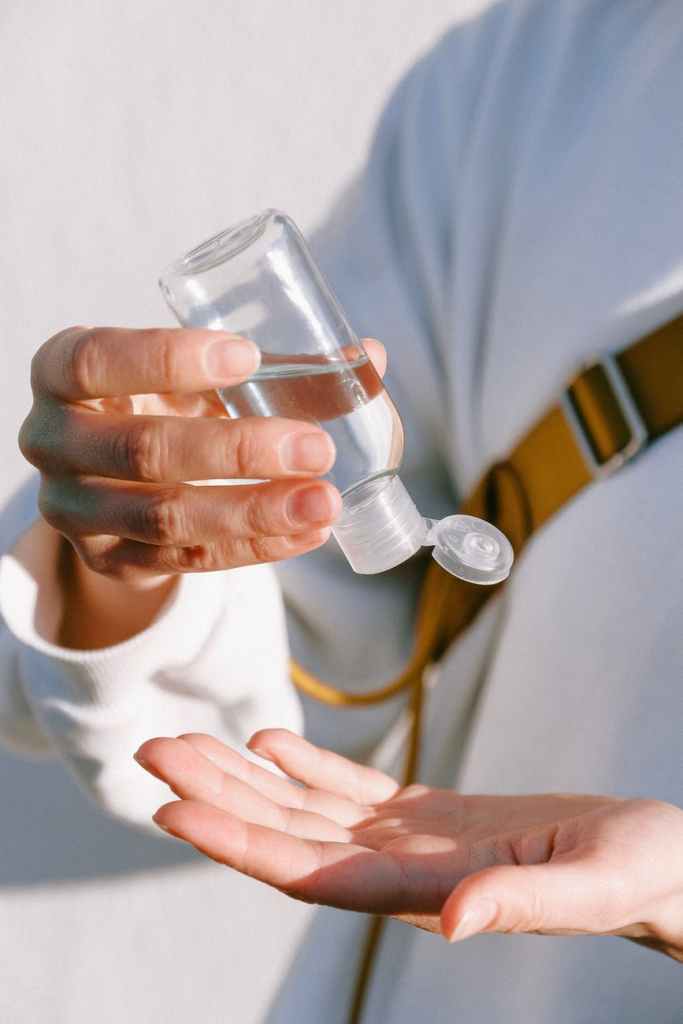
This is a good way to fight germs when soap and water isn’t available, as long as it’s at least 60% alcohol and doesn’t contain methanol, which can be harmful. But don’t think of hand sanitizer as a substitute for washing your hands. It doesn’t get rid of all types of germs and doesn’t work as well if your hands are greasy. Be careful not to use too much sanitizer. That can create a layer of film on your hands that will actually trap germs, this may also dry up your hands and cause some form of allergic rashes.

DON’T TOUCH YOUR FACE

A lady touching her face

You probably touch your face a lot more often than you think. One study found that people touched their faces an average of 23 times per hour. That can lead to germs getting into your system via your eyes, nose, or mouth. It’s also one more good reason to keep your hands clean.

KEEP PERSONAL ITEMS PERSONAL

Bath towels

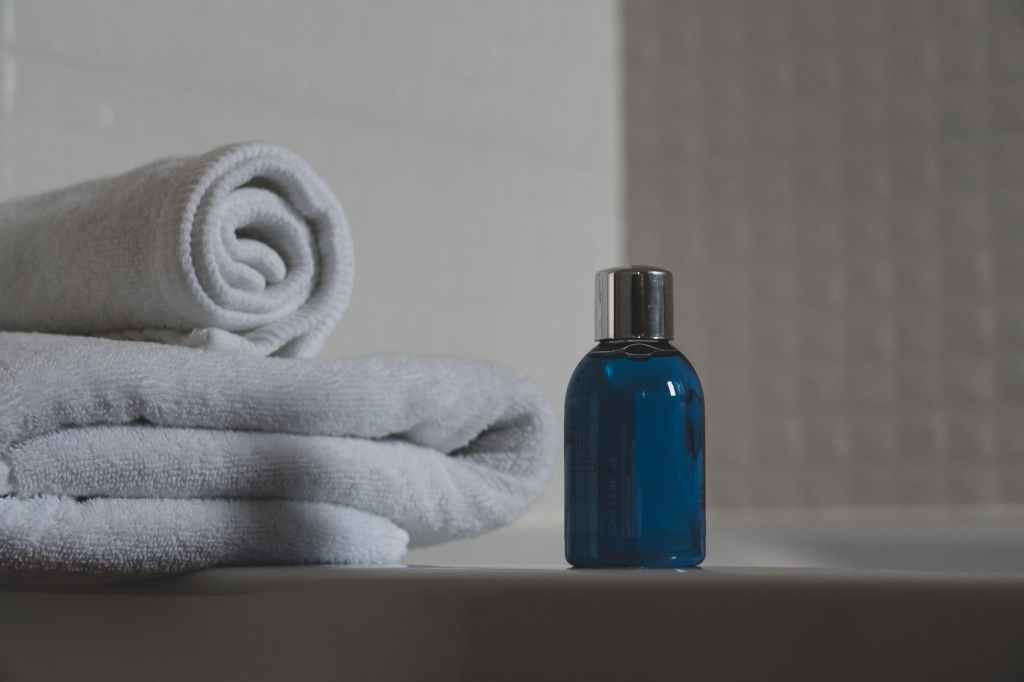
Sharing things can also share germs and illnesses. The biggest problems come from sharing items that involve saliva (like a toothbrush, lip gloss) or blood (like shaving razors, nail clippers). If you’re going to share food, take a bite from a clean portion and use your own utensils. Don’t share drinks. Give everyone their own. And make sure to keep track of whose glass is whose. This will help prevent you from contracting infections

HANDLE FOOD CAREFULLY

Food handling

The kitchen is home to a lot of germs. Always wash your hands before and after preparing food, and rinse off fruits and vegetables. Keep raw food away from cooked food, change out utensils and cutting boards that touch raw food, and wipe down counters where you’ve put raw food.

When cooking, make sure all food is cooked to the proper temperature:

âť—180 degrees for chicken
âť—145 degrees for most meats like roast or steak
❗Fish should be cooked until you can’t see through it
âť—After meals, get leftovers into the refrigerator as soon as you can.

Design a site like this with WordPress.com
Get started