Food and Your Eyes
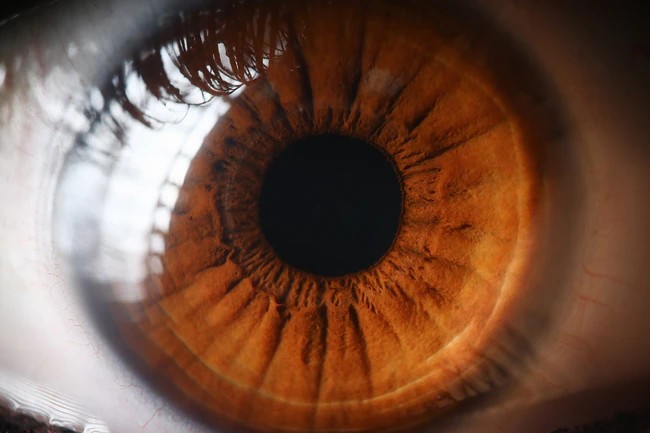
About 250 million people around the world have mild to serious vision loss. The truth is the health of your eyes is directly connected to the health of your heart and blood vessels. What you eat and drink can have a lasting effect on both your cardiovascular health and your vision.
Bread and Pasta
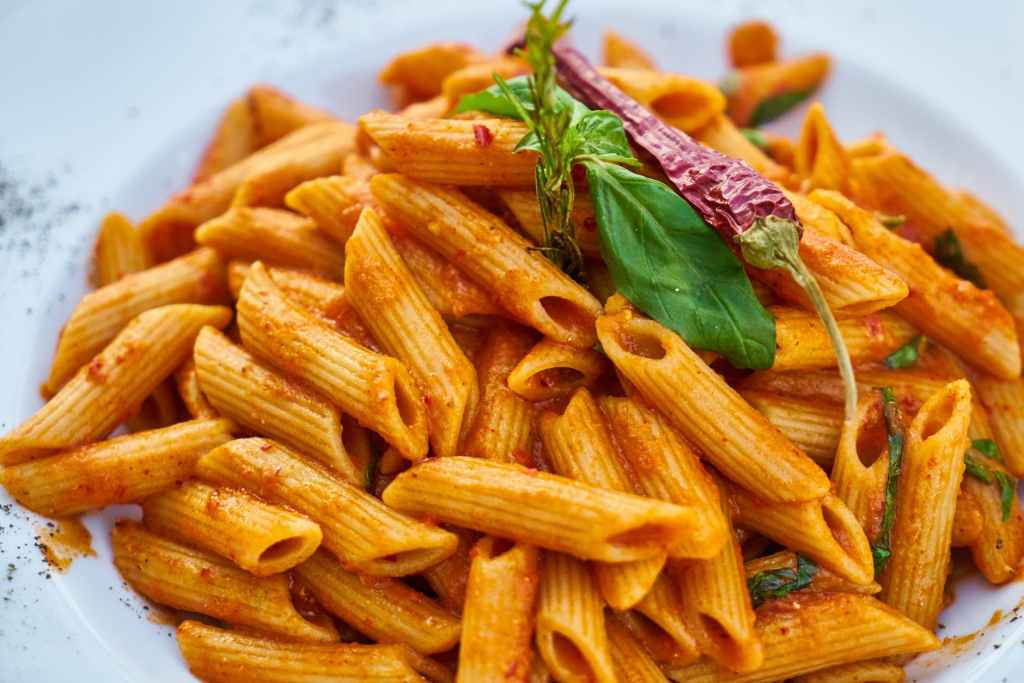
Researchers have linked simple carbohydrates, like those found in white bread and pasta, with a higher chance of age-related macular degeneration (AMD), a leading cause of vision loss in older adults. Why?: Your body digests this type of carb quickly. This causes a spike in blood sugar. To prevent this, health experts suggest that you replace white bread and pasta for whole-grain versions.
Processed Meats
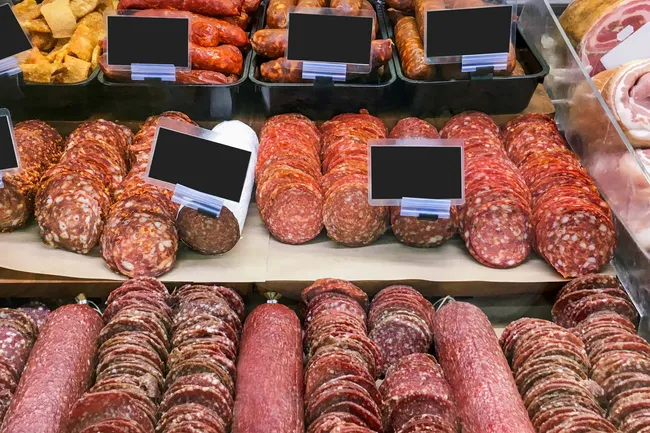
Hot dogs, bacon, and deli meats are loaded with sodium. This salt spike can eventually lead to high blood pressure (hypertension). In your eyes, this may cause:
- Hypertensive retinopathy, blood vessel damage that causes blurred vision or vision loss
- Choroidopathy, a buildup of fluid beneath the retina
- Neuropathy, a blockage of blood flow that kills nerves and causes vision loss
Try to limit your sodium to 2,300 milligrams or less a day.
Fried Foods
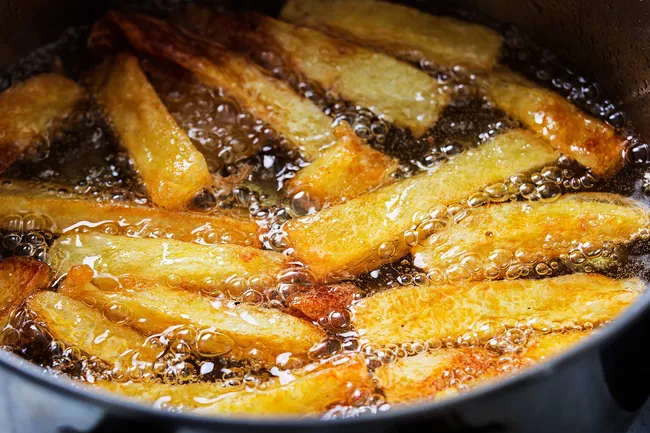
Deep-fried foods cooked in trans fats raise your LDL (“bad”) cholesterol levels and could lead to heart disease, stroke, and type 2 diabetes. They also create molecules called free radicals that can damage and kill cells. These all connects to eye disease — AMD and diabetic retinopathy. Fight back against free radicals by eating fruits and veggies full of vitamin C like citrus fruits, tomatoes, and red bell peppers.
Cooking Oils
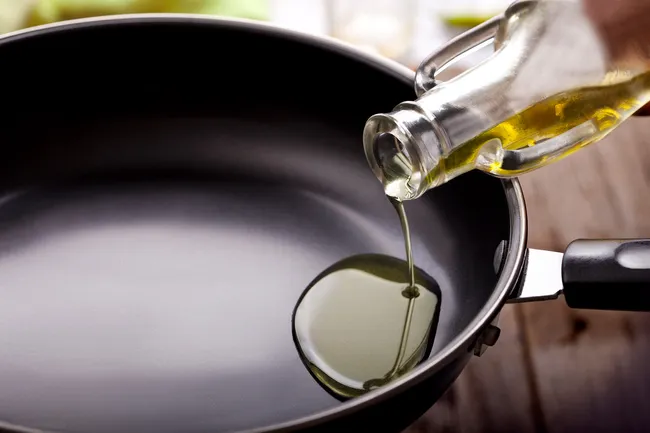
A landmark study 30 years ago linked too much linoleic acid, a type of unsaturated fat, with a higher chance of AMD. You can find it in these cooking oils:
- Safflower
- Sunflower
- Corn
- Soybean
- Sesame
Health experts suggest cooking oils with less than 4 grams of saturated fat per tablespoon. Stay away from ones with hydrogenated oils and trans fats.
Margarine

It’s made with vegetable oils, so it has unsaturated “good” fats. All things considered, it may be better for you than butter. But some margarine also has trans fat, which raises your cholesterol levels and the chance of heart disease and eye problems. The more solid the margarine, the more trans fat it has. Instead of a stick, use the spread or liquid kind. You can also look for brands with 0 grams of trans fat on the label.
Ready-to-Eat Foods
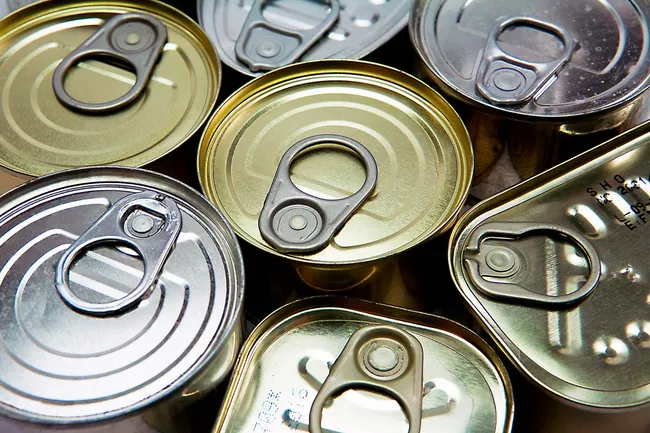
Prepackaged foods — like soup, tomato sauce, and canned goods — often have high amounts of sodium, up to 75% of the suggested amount. Eating less of these foods can lower your chance of high blood pressure and related eye problems. When you shop, look for “low sodium” or “no salt added” versions of your favorite foods. Add your own spices and herbs for a natural flavor boost.
Sugary Drinks

Soda, sports and energy drinks, lemonade, and other sweetened drinks are filled with sugar — sometimes 7 to 10 teaspoons. They’re also the number one source of calories and added sugar in the U.S. diet. All that sugar ups your odds of type 2 diabetes and heart disease. This can lead to related eye conditions like diabetic retinopathy and AMD. Water is your best bet for a healthy drink.
Fish and Shellfish
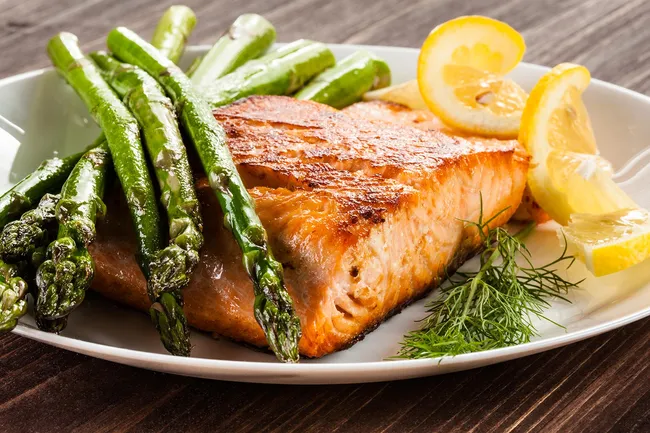
Most of us have no reason to worry about the mercury in fish and shellfish in moderation. But at high levels and for certain groups of people, it can cause serious health problems, including eye damage. Health experts say pregnant women, those who are nursing or may become pregnant, and children should stick with 8-12 ounces of fish and shellfish each week.
Alcohol
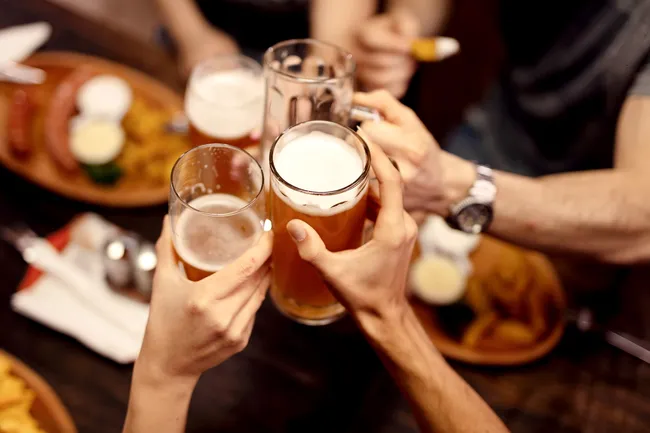
While not a food, alcohol is something you put into your body that experts link to eye disease. Drinking too much alcohol can lead to cataracts at an earlier age, a common condition that causes a cloudy area in your eye lens, making your vision blur.
Caffeine

The caffeine in your morning cup of coffee or tea may raise the pressure inside your eye, or intraocular pressure (IOP). Studies show this pressure goes up in people with glaucoma or ocular hypertension (OHT) who’ve had caffeine. IOP that’s too high can cause vision loss and blindness.
- SIGNS YOU ARE IN PERIMENOPAUSEPerimenopause is the transitional phase leading up to menopause when a person’s body undergoes hormonal changes. Here are some signs that you may be in perimenopause: It’s important to note that perimenopause can begin in the late 30s or early 40s and last for several years before menopause, which is when menstruation ceases for atContinue reading “SIGNS YOU ARE IN PERIMENOPAUSE”
- THINGS YOU SHOULD AND SHOULD NOT DO AFTER SEXAfter sex, there are several things you should and shouldn’t do: Things you should do: Things you shouldn’t do: Remember that these guidelines can vary depending on individual preferences and relationship dynamics, so open communication and mutual respect are essential in any sexual relationship.
- THE AMAZING BENEFITS OF SLEEP✅Sleep is often underestimated in our fast-paced, busy lives, but its significance for our overall health cannot be overstated. In fact, getting quality sleep is just as essential as maintaining a balanced diet and staying physically active. Let’s delve into some of the remarkable benefits of sleep for your health: ✅Enhanced Cognitive Function: Adequate sleepContinue reading “THE AMAZING BENEFITS OF SLEEP”
- Ways Your Vagina Changes as You AgeYour Vagina Is Going Through Some Things 1/10 Just like the rest of your body, your vagina ages. Once you get close to menopause, its parts don’t look or function the same they did when you were younger. Dryness, drooping, and a lack of lubrication are all issues at this stage of life. These changesContinue reading “Ways Your Vagina Changes as You Age”
- Ways Your Penis Changes as You AgeYour Penis Isn’t What It Used to Be 1/10 Age leaves its mark on every part of your body, including your penis. Starting in your 40s, your testicles produce less testosterone, the hormone that helped your penis grow during puberty and fuels your sex drive. The decline in testosterone, along with other things related toContinue reading “Ways Your Penis Changes as You Age”
 Health,beauty and fitness Web
I love how this is so educative. Thank you Nurse Cynosure 💕
LikeLiked by 1 person
Thanks so much dear, I’m glad you found this Educative.
LikeLike
Nice and educating!
Kudos!
LikeLiked by 1 person
Thanks so much 😊 for connecting
LikeLike
You’re doing a great job, keep it up!!!
LikeLiked by 1 person
Thanks so much Ma’am
LikeLike
Of course you will always get it right, and that is why i do take my time to read through each line in every of your articles. Come to think of it, we had treated a topic on the eyes and its related disorderliness plus preventions. And guess what, we will be visiting the topic again this week, but this time we will concentrate more on how the eyes are affected adversely by screens across different gadgets.
Nurse Cynosure, you have really done a great job in this article, educating us for free, on the dangers of some foods as concerning our eyes. However, it makes me wonder if we can ever have anything to eat that wont affect us badly in one way or another. We need to enjoy our foods, and the foods we enjoy, we should eat more and more. Let me not say or complain too much here. thank you once again
LikeLiked by 1 person
You’re ALWAYS welcome dear.. like I always say, your aim is to stay alive and healthy right? If so then you must eating right else you end up spending money on medication and also having food restrictions so it’s better to eat those stuff in moderation now..
LikeLike
This is interesting, thanks for sharing this knowledge. I wish you more abilities
LikeLiked by 1 person
Thank you 😊
LikeLike
This is quite interesting and educative, I really like health lecture.
LikeLike
Thank you
LikeLike